

When you have a nasty itch, it’s tough to resist the temptation to scratch. And if you've ever been bothered by an irritating itch around the groin, you know how intense that temptation can be.
Many times, that itch is caused by fungus. Wherever moisture and heat get trapped on the body, fungus can grow. One of the most common types of intimate fungal infections is tinea cruris, more commonly known as jock itch.
Here’s what to know about jock itch, including its causes, symptoms, and treatments, plus ways to prevent it from happening again.
Facts about fungus
The human body is home to many different microorganisms, including fungi. Having a certain number of fungi living on the body is normal. But when conditions favor fungi growth, such as warmth and moisture, the organisms can multiply rapidly, upsetting the natural balance.
Fungal infections can be found on the feet, the underarms, in the folds of skin below the breast, and the genital area, where ideal growing conditions exist.
Jock itch symptoms and treatment
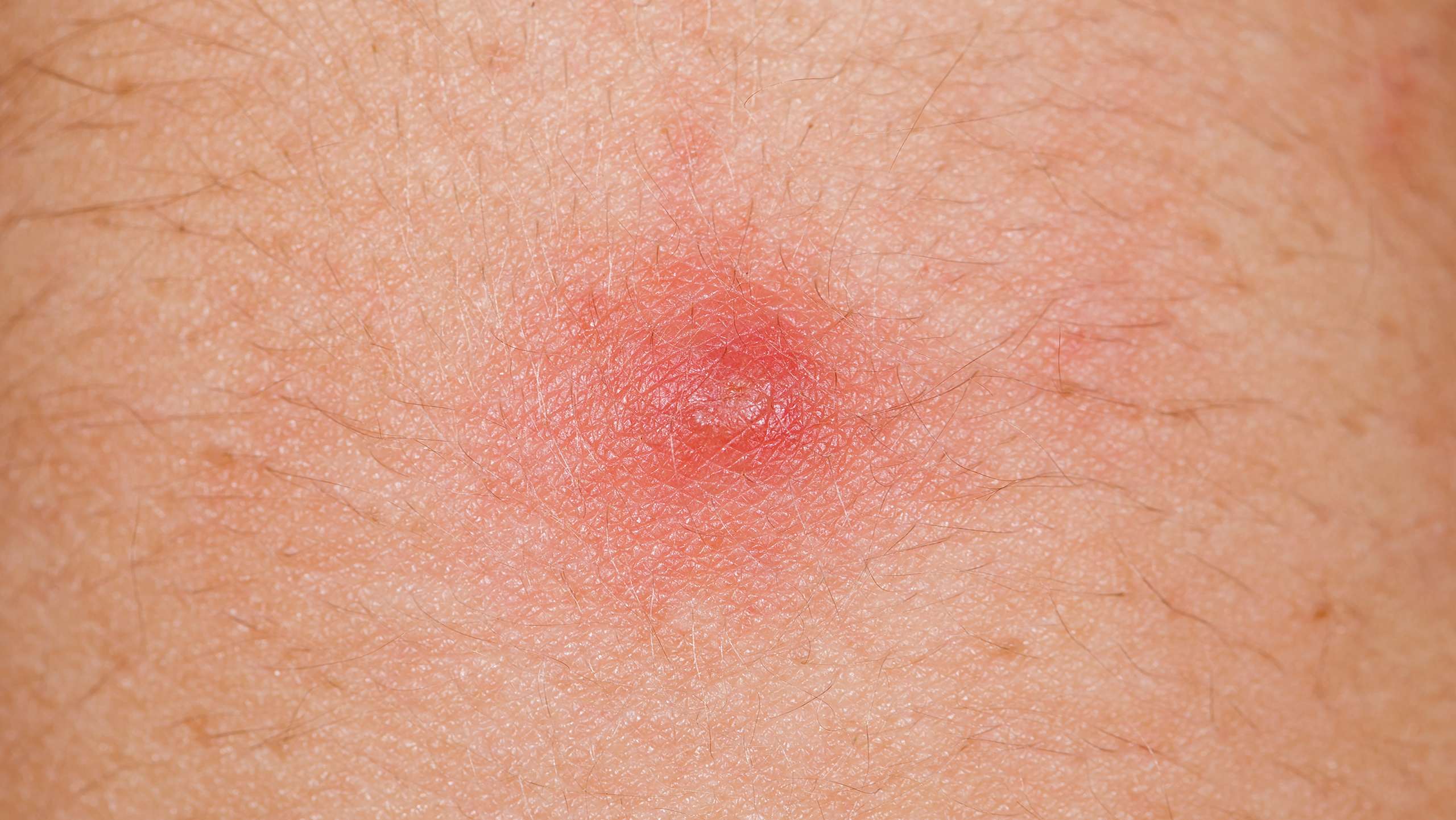
Jock itch often manifests as a red, flat, itchy rash. It frequently appears on the inner thighs and spreads outward in a circular pattern, clearing in the center to form a ring. The border of the ring is typically bright red and raised, and the rash can spread to both the genital and anal regions.
Jock itch is common, extremely contagious, and can be passed by direct skin contact or contact with contaminated items, such as a shared towel. Girls and women can get jock itch, but it’s far more common in teenage boys and men. People who are obese, sweat heavily, or have athlete’s foot are also at higher risk.
If you develop jock itch, take the following steps to relieve symptoms:
- Keep the rash and surrounding area clean and dry. A cold pack may help to relieve some itching.
- As best you can, try not to scratch.
- Avoid wearing clothes that might irritate the rash. Swap form-fitting tights, leggings, pants, and underwear for baggier fits.
- Wash all workout clothes each time you wear them. If you have to wear an athletic supporter during this time, also make sure to wash it often.
- Consider purchasing an antifungal cream or powder. Over-the-counter drugs like miconazole and clotrimazole can help to manage the infection.
While jock itch often improves with this care, visit a healthcare provider (HCP) If you have a fever, are in pain, or have symptoms for longer than two weeks. You should also see an HCP if your infection is severe or it keeps coming back.
Diagnosis is usually as simple as a visual examination, and your HCP can make sure your discomfort isn’t being caused by another condition. Other issues that lead to itching around the genitals include:
- Allergic reactions to soaps and detergents
- Skin conditions, such as eczema or psoriasis
- Sexually transmitted infections, such as chlamydia and genital herpes
- Yeast infections
If you are diagnosed with jock itch, the sooner you begin treatment, the faster you can find relief. An HCP will typically prescribe a topical antifungal medication to be applied once or twice a day for two weeks. It often comes as a cream, ointment, or gel, though sprays and powders are also common. Sometimes an oral medication like fluconazole or itraconazole is prescribed. Occasionally, antibiotics may be needed to treat secondary infections caused by scratching.
Preventive measures for jock itch
Follow these steps to prevent jock itch altogether, which is especially important if your infection tends to recur:
- Bathe or shower right away after a workout. Avoid using antibacterial and deodorant soaps. Dry your genital area well and apply powder, such as talc, to the skin between your leg and groin.
- Wear loose-fitting underwear, such as boxer shorts, instead of briefs. Avoid nylon underwear. Change your underwear frequently, especially after activities that leave you hot and sweaty.
- Don’t share or lend sports equipment or apparel, sheets, or towels.
- Maintain a healthy body weight. People who are overweight may have more perspiration buildup in their groin area than people of lower body weight.
Finally, if you develop any fungal infection on your feet or hands—especially athlete’s foot—treat it promptly before it has an opportunity to spread to the groin or other skin areas. Fast treatment can prevent future infection.
Sources: MedlinePlus. Jock Itch. April 1, 2025. + 3
- MedlinePlus. Jock Itch. April 1, 2025.
- Mayo Clinic. Jock Itch: Symptoms and Causes. Updated January 2024.
- Cleveland Clinic. Jock Itch (Tinea Cruris). March 21, 2025.
- MyHealth Alberta. Jock Itch: Care Instructions. December 4, 2024.