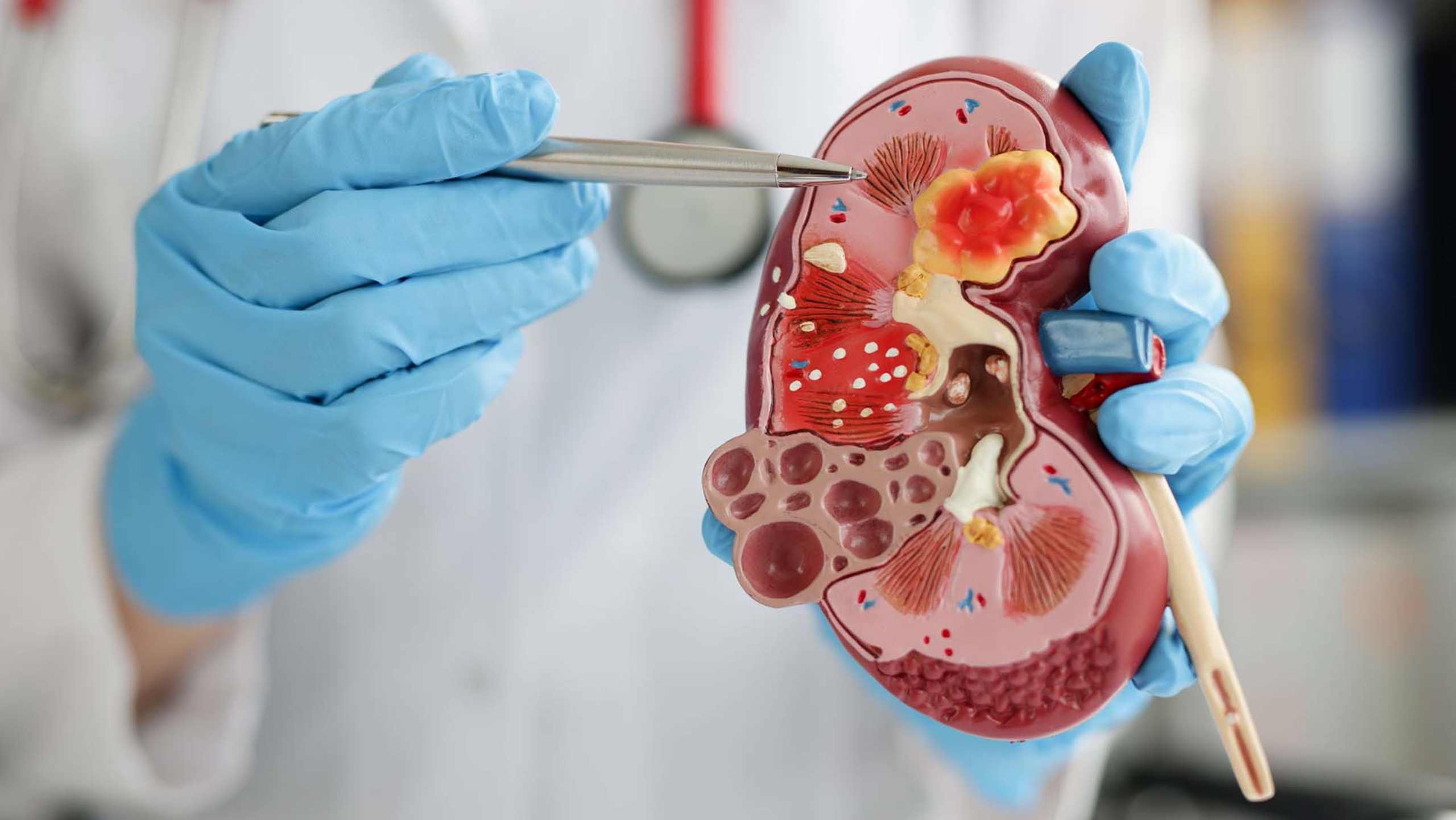
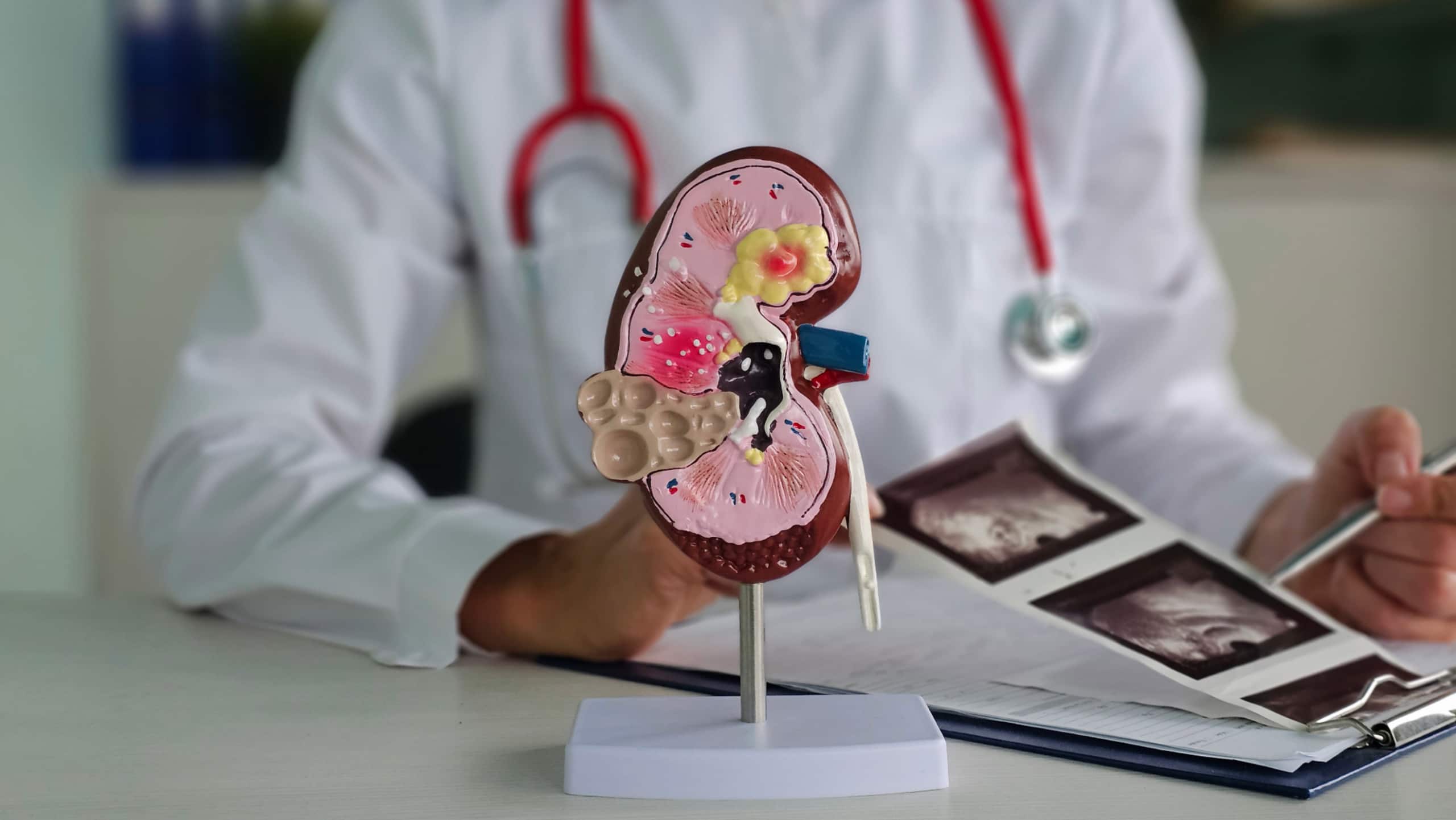
Immunoglobulin A (IgA) nephropathy is a disorder that causes progressive damage to the kidneys, a pair of organs that act as filters to the blood, removing waste and excess fluid that can be expelled from the body as urine.
If you or a loved one has been diagnosed with IgA nephropathy, it helps to have a good understanding of how the kidneys work—and how IgA nephropathy causes problems in the kidneys. Below are some key terms and concepts to understand.
Nephropathy
In simple terms, nephropathy means “kidney disease.” It can be applied to many different conditions that cause damage to the kidneys. IgA nephropathy is one example. Another is diabetic nephropathy, which is a type of kidney disease caused by having diabetes.
Glomeruli
As mentioned above, the kidneys act as filters for the blood. The filtering process involves blood moving through networks of very small blood vessels called glomeruli. Excess fluid and waste flow through the walls of the glomeruli and end up in urine. Blood cells, nutrients, and other useful substances remain in the blood and continue through the body.
Immunoglobulin A (IgA)
This is an antibody, or a protein that binds to harmful substances (like pathogens and irritants) that enter the body. Antibodies tell the immune system what to attack and what to ignore.
When a person has IgA nephropathy, the body produces IgA that is abnormal and misshapen. The body then recognizes the misshapen IgA as foreign and attacks it, forming clumps (called immune complexes). When these clumps make their way to the kidneys, they clog the glomeruli. The exact cause of IgA nephropathy is unknown, and it is not fully understood why people who have this condition produce abnormal IgA.
Inflammation
As clumps of IgA proteins clog glomeruli, it triggers an inflammatory response. This is a response by the immune system that occurs when there is any kind of injury in the body.
- While inflammation is complex, the basic idea is that cells—in this case the clogged glomeruli—release a variety of chemicals when damaged.
- These chemicals cause blood vessels to leak (which is why injuries swell) and also attract white blood cells that break down damaged cells (in this case, cells that make up the glomeruli).
- As this process continues and repeats over time, it can cause a progressive loss of kidney function. Treatment can help reduce damage and help maintain kidney function.
Proteinuria
The walls of the blood vessels are permeable, meaning they allow some substances to pass through. Under normal circumstances, the substances that pass through are small molecules like waste and excess fluid, which end up in urine. When inflammation occurs, the blood vessel walls become more permeable, and larger molecules can pass through. This includes blood and proteins, which can also end up in urine.
- Hematuria is blood in the urine. This is another symptom that can occur with IgA nephropathy. This may be visible or detected on a urinalysis test.
- Proteinuria is high levels of protein in the urine. Most commonly, it refers to albuminuria, high levels of a protein called albumin in the urine. Albumin circulates through the blood, and it helps keep blood inside blood vessels. It also helps transport things like hormones and vitamins throughout the body.
Proteinuria is a risk factor for complications like kidney failure, heart failure, and other problems with the cardiovascular system. The amount of protein in the urine is an important factor healthcare providers will consider when recommending how to treat IgA nephropathy. A treatment plan often includes medications to reduce proteinuria, as well as therapies to slow the progression of the disease.
Sources: National Institute of Diabetes and Diges... + 16
- National Institute of Diabetes and Digestive and Kidney Diseases. IgA Nephropathy.
- National Kidney Foundation. IgA Nephropathy.
- National Kidney Foundation. How Your Kidneys Work.
- National Institute of Diabetes and Digestive and Kidney Diseases. Your Kidneys & How They Work.
- Nemours TeensHealth. Definition: Nephropathy.
- NCI Dictionary of Cancer Terms. Renal glomerulus.
- Ajay Patel and Ishwarlal Jialal. Biochemistry, Immunoglobulin A. StatPearls. May 1, 2023.
- National Human Genome Research Institute. Antibody.
- National Organization for Rare Disorders. IgA Nephropathy.
- MedlinePlus. Immune response.
- Arun Rajasekaran, Bruce A. Julian, and Dana V. Rizk. IgA nephropathy: An interesting autoimmune kidney disease. American Journal of Medical Science, 2021. Vol. 361, No. 2.
- Mayo Clinic. Protein in urine (proteinuria).
- MedlinePlus. Albumin Blood Test.
- Beje Thomas. Proteinuria. Medscape. October 25, 2023.
- National Kidney Foundation. Albuminuria (proteinuria).
- Prashanth Rawla, Faten Limaiem, and Muhammad F. Hashmi. IgA Nephropathy (Berger Disease). StatPearls. July 7, 2023.
- Mayo Clinic. IgA nephropathy (Berger disease).