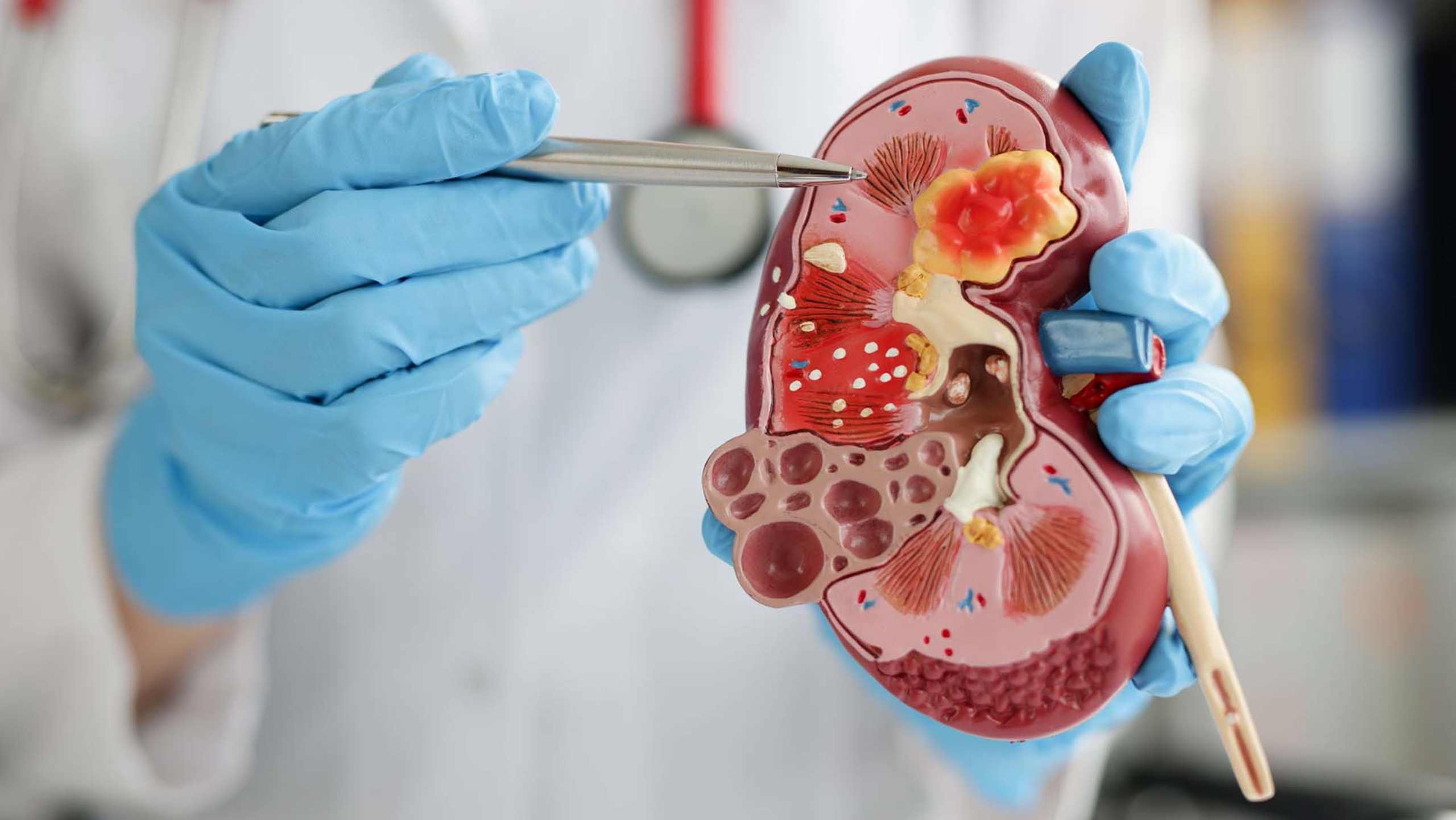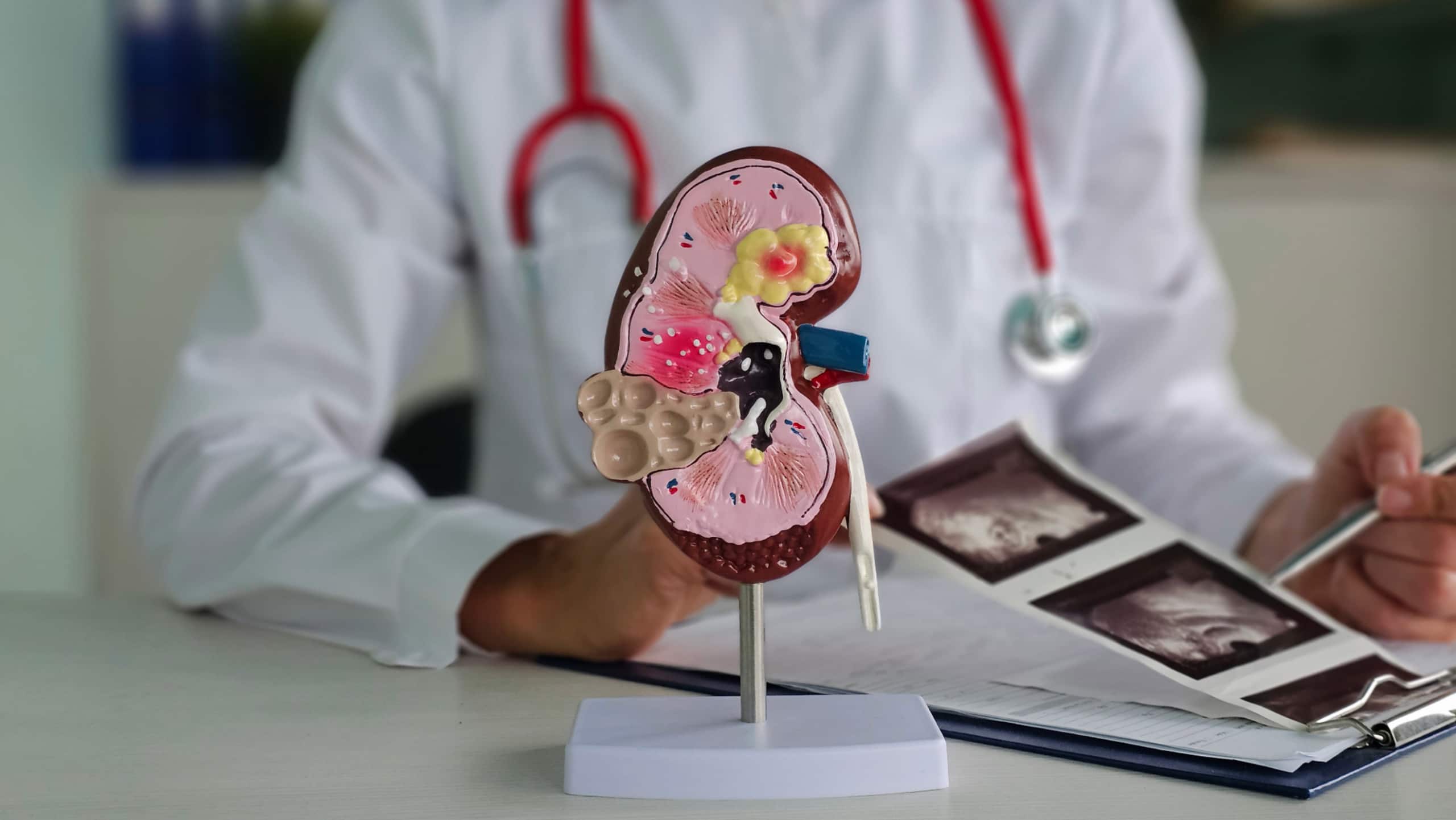


Urine is a fluid made by the kidneys, a pair of fist-sized organs located alongside the spine in the lower back. The kidneys produce urine by filtering the blood to remove extra fluid and substances the body does not need. Unneeded substances can include excess nutrients and waste byproducts created by digestion and metabolism. After urine is produced in the kidneys, it is stored in the bladder until it can be expelled through the urinary tract during urination.
When urine contains substances it should not contain, it can be a sign that something is wrong. One example is proteinuria.
Proteinuria is a medical term that means “protein in the urine.” Under normal circumstances, urine contains very low amounts of protein, though protein levels may increase temporarily for a variety of reasons—dehydration, intense exercise, stress, kidney stones, a side effect of aspirin therapy.
Proteinuria is also a symptom of more serious health conditions that affect the kidneys, including immunoglobulin A (IgA) nephropathy. For anyone living with IgA nephropathy, assessing and reducing proteinuria are an important aspect of treatment.
How IgA nephropathy causes proteinuria
Autoimmune diseases are disorders where the immune system attacks healthy cells and tissues. With IgA nephropathy, this autoimmune attack occurs in the kidneys, causing damage to tiny blood vessels called glomeruli.
As blood passes through the glomeruli, excess fluid and unneeded substances get filtered out, while blood cells, healthy amounts of nutrients, and other important substances get redirected back into the bloodstream.
As glomeruli are damaged, this process breaks down. Blood cells and proteins can end up in the urine, while excess fluid and waste products circulate back into the blood.
Keep in mind that this is a simplified explanation of a complex process. Also keep in mind that research into IgA nephropathy is ongoing. The exact reasons why IgA nephropathy occurs in some people is not fully understood, but it is believed to be caused by a combination of genetics and environmental factors.
Albuminuria
Proteinuria is often mentioned alongside albuminuria, which occurs when high amounts of a protein called albumin are found in the urine. Normally, albumin circulates through the blood vessels, where it helps carry hormones, vitamins, and other important substances to different parts of the body. Albumin also helps fluid stay inside the blood vessels and prevents fluid from leaking into tissues.
Albuminuria is a type of proteinuria, and the two terms are sometimes used interchangeably. However, the terms have different meanings. Proteinuria refers to multiple proteins in the urine, while albuminuria refers only to high levels of albumin.
Monitoring and treatment
IgA nephropathy is a lifelong condition that requires ongoing treatment. Treatment will include regular testing to check for proteinuria and albuminuria.
Proteinuria is an important predictor for complications from IgA nephropathy—and IgA nephropathy can lead to serious and life-threatening complications, including hypertension, chronic kidney disease, and kidney failure (and by extension, cardiovascular disease and stroke).
In addition to monitoring, treatment for IgA nephropathy may include:
- Medications to reduce proteinuria
- Medications to control blood pressure
- Medications to control blood cholesterol and help prevent cardiovascular disease
- Immunosuppressive drugs (such as corticosteroids) that reduce inflammation and help prevent damage to the kidneys
- Reducing sodium intake, monitoring fluid intake, and avoiding any habits that are harmful to the kidneys, such as smoking
Research about IgA nephropathy is ongoing, including research into new treatments. New medications indicated for this condition were approved in 2021 and 2023, and multiple therapies are under development.
Sources: NCI Dictionary of Cancer Terms. Urine. + 16
- NCI Dictionary of Cancer Terms. Urine.
- MedlinePlus. Urine and Urination.
- In brief: How does the urinary system work? InformedHealth.org. March 29, 2022.
- University of Rochester Medical Center Health Encyclopedia. Anatomy and Function of the Urinary System.
- NCI Dictionary of Cancer Terms. Urinary system.
- Mobeen Z. Haider and Ahsan Aslam. Proteinuria. StatPearls. September 4, 2023.
- Mayo Clinic. Protein in urine (proteinuria).
- Cleveland Clinic. Proteinuria.
- Preeti Rout, Faten Limaiem, and Muhammad F. Hashmi. IgA Nephropathy (Berger Disease). StatPearls. April 22, 2024.
- National Institute of Diabetes and Digestive and Kidney Diseases. IgA Nephropathy.
- NCI Dictionary of Cancer Terms. Autoimmune disease.
- National Organization for Rare Disorders. IgA Nephropathy.
- MedlinePlus. Glomerulus and nephron.
- National Institute of Diabetes and Digestive and Kidney Diseases. Glomerular Disease.
- Michael R. Zemaitis, Lisa A. Foris, Shravan Katta, and Khalid Bashir. Uremia. StatPearls. March 29, 2024.
- National Institute of Diabetes and Digestive and Kidney Diseases. Albuminuria: Albumin in the Urine.
- MedlinePlus. Albumin Blood Test.