

If you or a loved one is living with chronic obstructive pulmonary disease (COPD), the most important thing you can do is seek treatment and follow your treatment plan. Treatment typically involves a combination of medications, with the type of medications and dosages dependent on the severity of COPD. For advanced COPD, oxygen therapy and surgery may be discussed.
In addition to treatment, lifestyle changes are also recommended. The most significant lifestyle change is to stop smoking (for anyone who smokes). Additionally, exercise, changes to what you eat, and avoiding exposure to things that irritate the lungs are also recommended.
Changes to diet and nutrition
Before making any major changes to your diet, talk to your healthcare provider. COPD affects people in different ways. For some, the condition causes unintentional weight loss that can contribute to weak bones, muscle loss, nutritional deficiencies, and frailty. But for people who have overweight/obesity, weight loss may be a part of a treatment plan.
Everyone is different and people will have different nutritional goals. There is no substitute for guidelines from a healthcare provider that are tailored to your individual needs. Also, if possible, consider working with a registered dietitian.
Nutritional counseling is often a part of pulmonary rehabilitation. Pulmonary rehabilitation is a 6-to-12-week program that provides education and training to help a person manage COPD. It is often recommended as a part of a treatment plan for COPD.
There are some basic food guidelines you will want to follow:
- Build your diet around whole foods and minimally processed foods. Eat plenty of plant-based foods (fruits, vegetables, and legumes), lean proteins (like fish, chicken, and turkey), foods containing healthy fats (fatty fish, nuts, avocados, olive oil), and whole grains.
- Limit or avoid processed foods, simple carbohydrates, foods/beverages containing added sugars, and foods high in saturated fat, trans fats, cholesterol, and sodium. Talk to your HCP about alcohol consumption, since alcohol can negatively affect lung function.
While there is no official COPD diet, heart-healthy diets like the Mediterranean diet are considered a good option for many people. But again, talk to a healthcare provider.
Regular exercise and physical activity
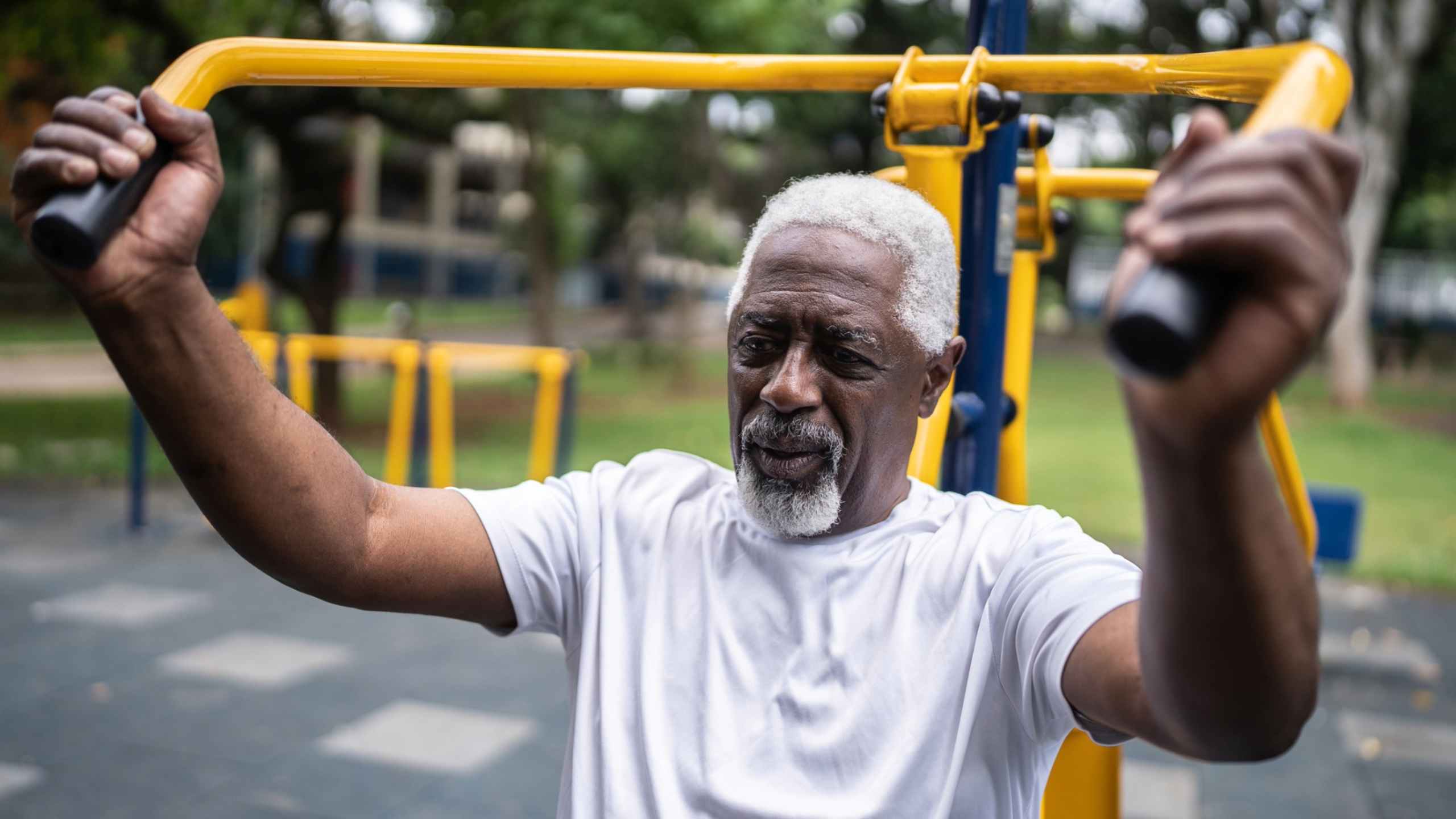
Regular physical activity is a major focus of pulmonary rehabilitation. Pulmonary rehabilitation is an excellent starting point for understanding how to exercise safely when you have COPD and how the right types of exercise in the right amounts can benefit COPD.
Like nutrition, you will want to talk to a healthcare provider before making any major changes to the types of exercise you do and how often. Some activities can be too strenuous for a person with COPD and can worsen symptoms and/or lead to injuries.
The goals of regular exercise will be to improve aerobic fitness (endurance), strengthen the major muscle groups, and improve things like balance, coordination, and mobility. Your healthcare team can help you find strategies to meet these goals in safe and effective ways.
Limiting exposure to irritants
Do what you can to limit your exposure to irritants and particulate matter in the air, including secondhand smoke, exhaust fumes, wood smoke, dust, and chemicals. This can mean avoiding certain environments, staying indoors when air quality is low, and asking for workplace accommodations.
It can also mean making changes around your habits and home environment to help improve air quality:
- Keeping your home smoke-free.
- Avoiding the use of wood-burning stoves and fireplaces.
- Making sure furnaces, stoves, and fireplaces are properly ventilated (check manufacturer’s instructions).
- Checking and replacing the filters on heating and cooling systems.
- Using an exhaust fan when cooking. This is another spot where you’ll want to check and replace the filter.
- Using an air purifier that can remove particulate matter from the air.
- Using a vacuum with a HEPA filter. HEPA stands for “high efficiency particulate air” and these filters are designed to remove fine dust.
- Keeping your home clean, including reducing clutter and regularly cleaning bedding and drapes.
Remember, COPD is a different experience for everyone. A healthcare provider will be your best source of information.
Sources: Robert A. Wise. Chronic Obstructive Pulm... + 16
- Robert A. Wise. Chronic Obstructive Pulmonary Disease (COPD). Merck Manual Consumer Version. November 2025.
- National Heart, Lung, and Blood Institute. COPD Treatment. October 6, 2024.
- Emma Keogh and E. Mark Williams. Managing malnutrition in COPD: A review. Respiratory Medicine, 2021. Vol. 176.
- Cleveland Clinic healthessentials. What To Eat When You Have COPD. April 26, 2024.
- Venkatkiran Kanchustambham and Brandon D. Brown. Chronic Obstructive Pulmonary Disease (COPD). StatPearls. April 15, 2026.
- Yongshan Gao, Zhikai Li, et al. The risk of osteoporosis in COPD: An analysis of sex differences and mediating effects based on NHANES. npj primary care respiratory medicine. March 7, 2026.
- Cleveland Clinic. Pulmonary Rehabilitation. May 23, 2024.
- National Heart, Lung, and Blood Institute. Pulmonary Rehabilitation. March 24, 2022.
- COPD Foundation. Nutrition for Someone with COPD. January 14, 2021.
- University of Maryland Baltimore Washington Medical Center. Nutrition for Lung Health and COPD. Accessed April 30, 2026.
- National Emphysema Foundation. How Alcohol is Linked to COPD. Accessed April 30, 2026.
- Cleveland Clinic. Pulmonary Rehabilitation. May 23, 2024.
- COPD Foundation. Exercise for Someone with COPD. Accessed April 30, 2026.
- American Lung Association. Physical Activity and COPD. January 20, 2026.
- Harvard Health Publishing. Easy ways you can improve indoor air quality. February 15, 2021.
- American Lung Association. COPD and Particulate Matter. November 3, 2023.
- United States Environmental Protection Agency. What is a HEPA filter? January 13, 2026.