

If you or a loved one is living with chronic obstructive pulmonary disease (COPD), there is no substitute for treatment. COPD is a serious condition that affects a person’s ability to breathe, and it will become more severe when untreated or undertreated.
For many people with COPD, the first step in treatment is quitting smoking. Most cases of COPD are associated with smoking tobacco, though nonsmokers can also develop this condition. COPD is also associated with exposure to woodsmoke, marijuana smoke, chemical fumes, industrial dust, and other substances that can irritate and damage the lungs.
Treatment and management for COPD
There is no cure for COPD, and treatment focuses on reducing symptoms, slowing progression, preventing complications, and improving quality of life. A treatment plan can include:
- Medications, including bronchodilators, corticosteroids, non-steroid anti-inflammatory medications, biologic therapies, and medications that combine multiple drugs.
- Oxygen therapy (supplemental oxygen) to raise blood oxygen levels. While more commonly used in severe and advanced COPD, this may be prescribed to treat flares in mild-to-moderate COPD.
- Surgery to remove damaged tissue from the lungs or implant stents or valves to improve breathing. Lung transplants may also be used in some cases. These treatment options are typically only used for severe COPD.
Whichever therapy or combination of therapies that a treatment plan includes, a treatment plan needs to be followed as closely as possible in order for it to work as intended.
Getting the most out of treatment
Additionally, there are other strategies that can help you or a loved one get the most out of treatment.
Pulmonary rehabilitation
Pulmonary rehabilitation is strongly recommended as a part of a COPD treatment plan. This is a six- to twelve-week program guided by a healthcare provider.
This program is personalized to meet the needs of the individual participating, but generally combines:
- Patient education about COPD, including medications, preventing flares, and managing symptoms.
- This is a major component and can include mobility, endurance training, resistance/weight training, and training to strengthen respiratory muscles. The goal is to improve function and learn how to manage effort.
- Breathing techniques, including controlled breathing, relaxation, and body positioning to improve breathing.
- Techniques and devices for clearing airways.
- Nutrition guidelines and swallowing techniques.
- Mental health support, such as counseling and treatment for any coexisting mental health conditions.
Vaccines
COPD causes chronic inflammation and damaged airways in the lungs, which makes it easier for pathogens (like harmful bacteria) to infect the lungs. COPD also disrupts the normal functioning of the immune system, making it more difficult for the body to fight off infections. People with COPD are at a significantly increased risk of pneumonia and serious infections.
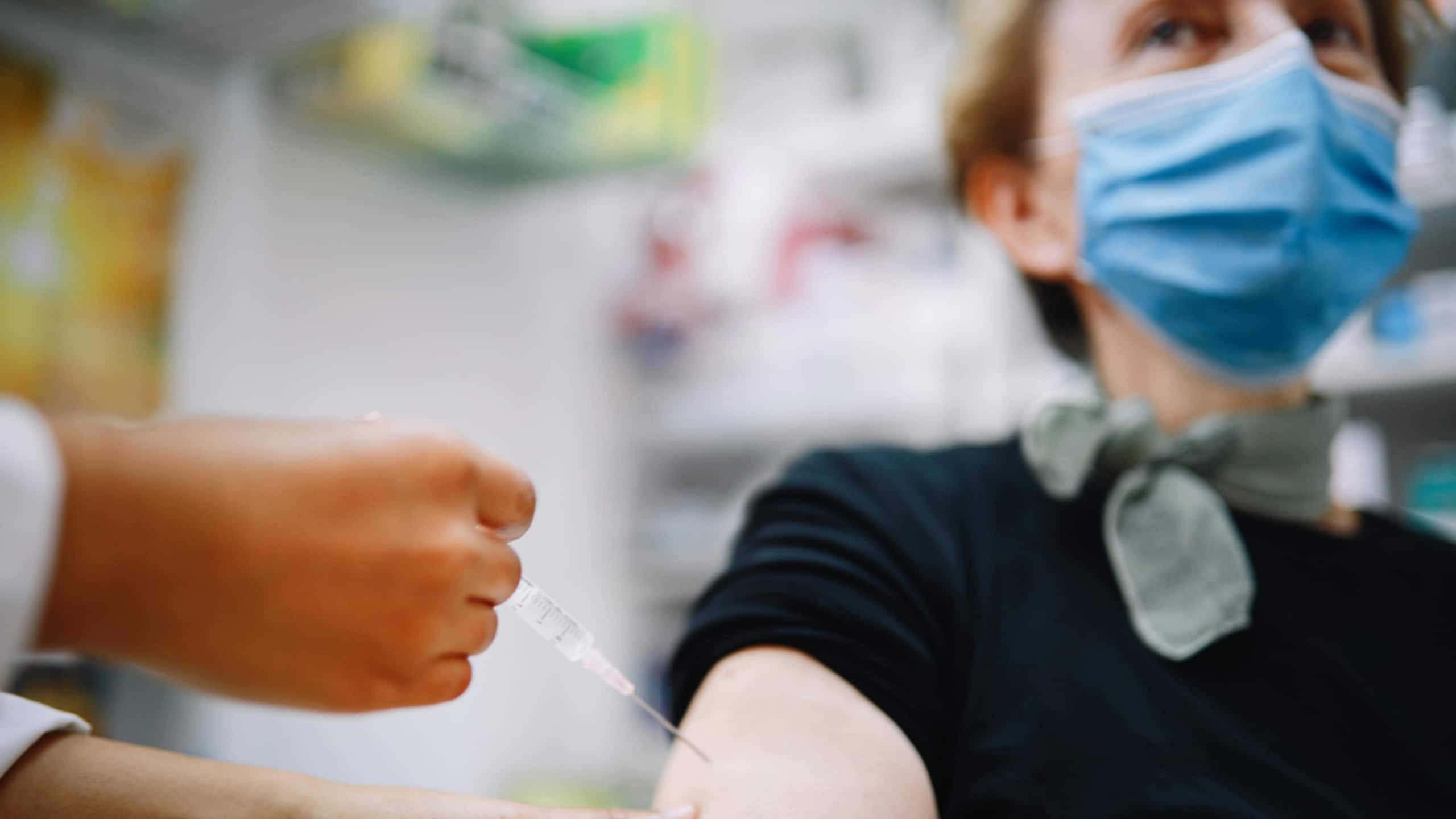
Respiratory infections can lead to COPD flares, hospitalization, and in some cases, death. Vaccinations are one of the best methods available to prevent these outcomes. These include annual flu shots as well as vaccines to protect against COVID-19, respiratory syncytial virus (RSV), pneumonia, and any standard adult vaccinations. Talk to your healthcare provider about these and other vaccines they recommend.
It is also important for caregivers to stay up to date on recommended vaccines.
Steps to prevent infection
In addition to vaccines, take other steps to prevent infection. Avoid crowded places, avoid touching your face, use hand sanitizer, and wash your hands frequently (with warm water, soap, and for at least 20 seconds).
Wearing a mask when out in public is recommended but may also make breathing uncomfortable. Well-fitting (not too loose, not too tight) cloth masks and surgical masks are recommended.
Quality sleep, good nutrition, and hydration also help.
Work with your healthcare team
While COPD is a different experience for every individual and caregiver, good communication with a healthcare team is critical to every treatment plan. Be an active participant in care. Be honest about how you feel, what you need from treatment, and your concerns. Ask for an explanation when something is not clear. Follow your treatment plan as closely as possible, and be honest if following any part of your treatment plan is difficult or challenging.
Sources: Yale Medicine. Chronic Obstructive Pulmo... + 13
- Yale Medicine. Chronic Obstructive Pulmonary Disease (COPD). Accessed April 30, 2026.
- Robert A. Wise. Chronic Obstructive Pulmonary Disease (COPD). Merck Manual Consumer Version. November 2025.
- Venkatkiran Kanchustambham and Brandon D. Brown. Chronic Obstructive Pulmonary Disease (COPD). StatPearls. April 15, 2026.
- Alexandr E. Gulyayev, Karlygash S. Absattarova, et al. An Integrated Strategy for Preventing and Rehabilitating Dust-Induced Occupational Bronchopulmonary Diseases: A Scoping Review. Advanced Respiratory Medicine, 2025. Vol. 93, No. 4.
- National Heart, Lung, and Blood Institute. COPD Treatment. October 6, 2024.
- American Thoracic Society. Pulmonary Rehabilitation. Accessed April 30, 2026.
- Mangalore Amith Shenoy and Vishesh Paul. Pulmonary Rehabilitation. StatPearls. July 25, 2023.
- Andrea R. Levine. Pulmonary Rehabilitation. Merck Manual Consumer Version. March 2024.
- Cleveland Clinic. Pulmonary Rehabilitation. May 23, 2024.
- Hui Li, Yingqi Wang, et al. Immune cell regulatory networks in chronic obstructive pulmonary disease: mechanistic analysis from innate to adaptive immunity. Frontiers in Immunology, 2025. Vol. 16.
- University of Maryland Baltimore Washington Medical Center. COPD and Pneumonia. Accessed April 30, 2026.
- Michelle E. Love and David Proud. Respiratory Viral and Bacterial Exacerbations of COPD—The Role of the Airway Epithelium. Cells, 2022. Vol. 11, No. 9.
- UMass Memorial Health. Discharge Instructions: COPD. Accessed April 30, 2026.
- LPT Medical. The Face Mask Survival Guide for People with COPD: 13 Tips to Make Mask-Wearing More Comfortable and Choose a COPD-Friendly Mask. Accesses April 30, 2026.