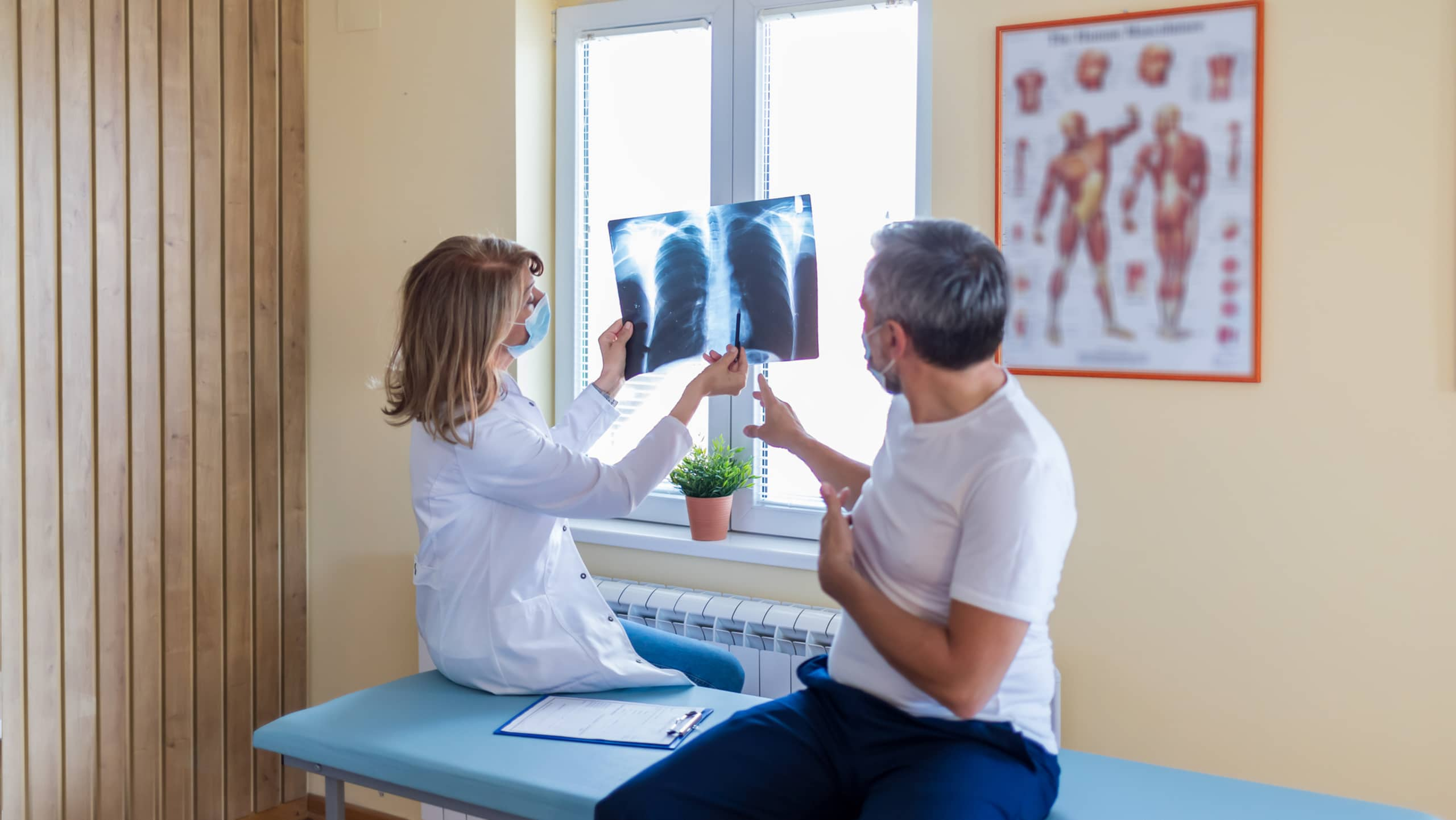


Chronic obstructive pulmonary disease (COPD) is a group of chronic respiratory illnesses that make it difficult for a person to breathe. The two major forms of COPD are chronic bronchitis and emphysema. A person with COPD can have either of these conditions, but most have a combination of both.
While smoking of any variety is the leading risk factor for COPD, it is not the only risk factor. While exact statistics are not known, an estimated 25 to 45 percent of COPD cases occur in people who have never smoked. Some estimates suggest more than half of worldwide COPD cases are primarily caused by factors other than smoking.
Here, we look at the numerous other factors that can put a person at risk for COPD.
Environmental risk factors
Environmental risk factors are elements of your surroundings that can contribute to your risk of a disease or medical condition.
Some environmental risk factors for COPD include:
Secondhand smoke
Tobacco smoke can be a risk factor, even if you’re not the one who is smoking. Living in a home where people smoke, frequenting places where people smoke or working in a place where people smoke also exposes your body to the harmful effects of smoking.
Open fires and inefficient stoves
The World Health Organization estimates that over 2.1 billion people worldwide use inefficient stoves or open fires for cooking and heat, with fuel sources such as kerosene, coal, or biomass (such as wood, crop waste, or animal dung). This generates significant household pollution, and exposure can contribute to COPD and other health problems.
Dust, chemicals, fumes, and particulates
Substances found in the air of many work environments are also associated with COPD. These include cement dust, diesel exhaust, asbestos, fumes from welding/cutting gasses, silica, coal dust, spray paint, and industrial chemicals (such as those used in the production of rubber, textiles, and plastics).
Childhood respiratory infections
Recurring and/or severe respiratory illnesses during childhood can impair lung development and are associated with an increased risk of developing COPD. Examples include pneumonia and pulmonary tuberculosis. Being born premature, having a low birth weight, low weight during fetal development, and childhood asthma are all associated with abnormal lung development and are considered additional risk factors.
Genetic risk factors
Some cases of COPD can be linked to a rare genetic condition called alpha-1 antitrypsin deficiency (AAT deficiency or AATD). This is a condition that is inherited from a person’s biological parents.
People who have AATD do not make enough of a protein called alpha-1 antitrypsin (AAT). This protein is made in the liver and protects lung tissue from irritants and inflammation. As a result, the lungs are easily damaged from things like smoke and environmental pollution.
AATD can also cause liver damage. Early signs of the disorder often occur in infancy include jaundice (yellowing of the skin and eyes) and abnormal liver enzyme tests. A diagnosis can be made based on symptoms and confirmed with genetic testing.
Age
The risk of COPD increases with age, with most cases occurring in individuals over the age of 40.
Your best source of information
Treatment for COPD involves avoiding anything that can make COPD worse. If you or a loved one is diagnosed with COPD, talk to your healthcare provider about potential environmental risk factors and what you can do to protect your lungs.
Sources: MedlinePlus. Chronic obstructive pulmona... + 8
- MedlinePlus. Chronic obstructive pulmonary disease (COPD). April 10, 2025.
- American Lung Association. Emphysema. Accessed October 2, 2026.
- MedlinePlus. Emphysema. January 25, 2024.
- Venkatkiran Kanchustambham and Brandon D. Brown. Chronic Obstructive Pulmonary Disease (COPD). StatPearls. April 15, 2026.
- CDC Tips from Former Smokers. Smoking and COPD. February 24, 2025.
- World Health Organization. Household air pollution. December 16, 2025.
- World Health Organization. Chronic obstructive pulmonary disease (COPD). June 10, 2026.
- MedlinePlus. Alpha-1 Antitrypsin Deficiency. May 3, 2024.
- American Lung Association. COPD Causes and Risk Factors. Accessed October 2, 2026.