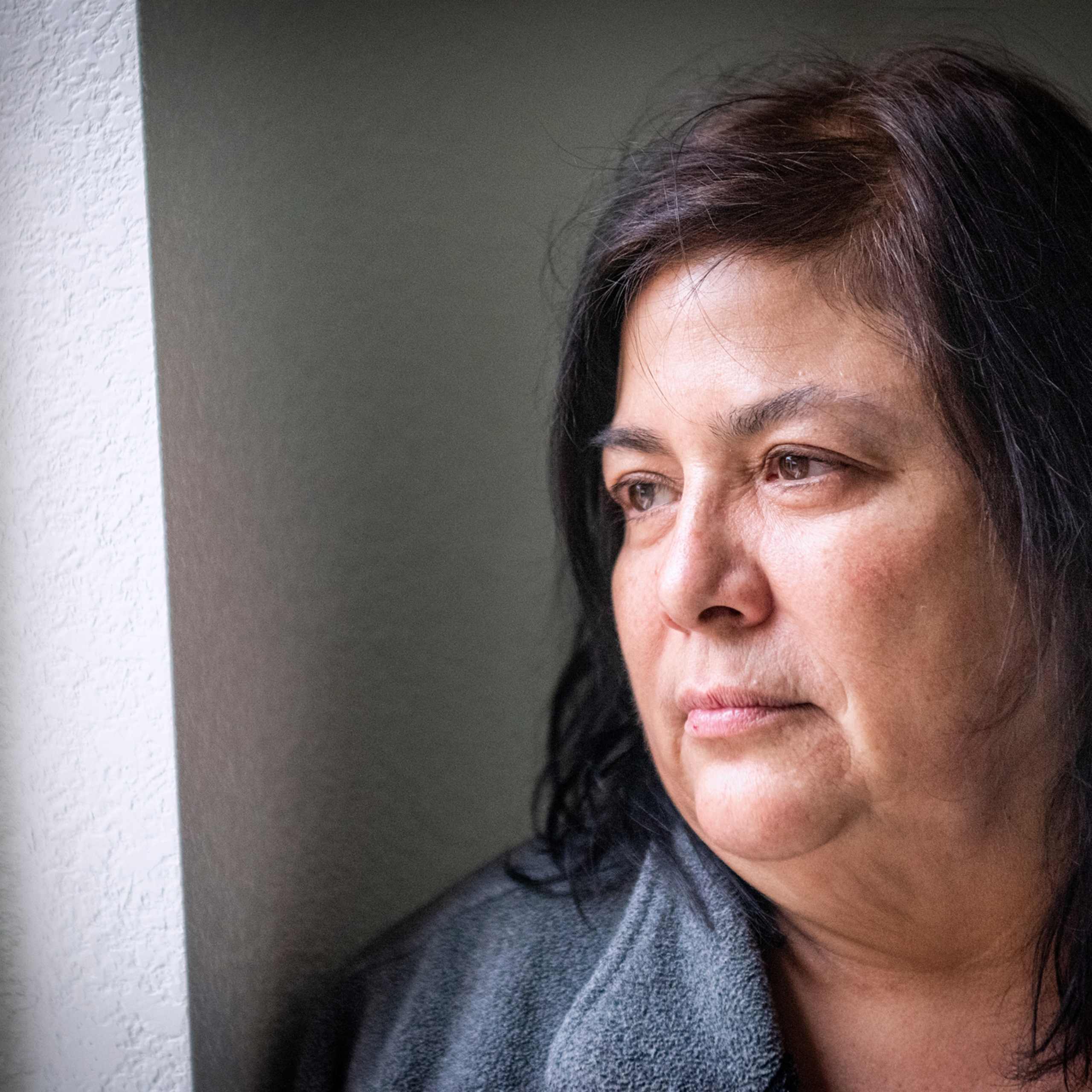


If you have depression or know someone with the mental health condition, you know that the effects it has on daily life can be profound. It can influence everything from your appetite to your relationships to your mood. In some cases, it may feel like a challenge even getting out of bed in the morning.
But did you know that some people with depression show few or no outward signs? They may seem otherwise fine, or and even happy?
It’s commonly called concealed or hidden depression. Sometimes, it may be referred to as high-functioning depression. Here’s what to know.
What is concealed depression?
Harish Mangipudi, DO, a psychiatrist in Charleston, South Carolina, explains that concealed depression entails many of the features that are involved in a traditional diagnosis of depression. These depression signs are noticeable to and experienced by the affected person, but they may be entirely obscured from others.
Those who have concealed depression commonly bottle up their thoughts and feelings in an effort to appear “okay.” From the outside, they may appear to be high-functioning adults.
“Concealed depression is typified by the ‘Happy Mask,’” says marriage and family therapist Bruce Conn in Macon, Georgia. “But inside, this is the silent sufferer of depression who tries to feel better by helping others and keeping up a good front. In reality, they’re exhausted and questioning themselves all the time.” Many people won’t even tell their healthcare providers about their symptoms.
Why does concealed depression occur?
Flip through the channels on your television or look at your social media feed, and you likely see highlight reels—people primarily sharing the best parts of their life. It’s understandable then, that people with depression may feel alone and that they need to conceal their problems.
They may do so because they don’t want to worry or burden others with their condition. They may also feel like they can’t be helped. Or they may think that no one will understand what they’re going through.
It’s important to remember that clinical depression, or major depressive disorder, can be extremely dangerous when it’s not managed. Depression can cause powerful changes in mood and, in extreme circumstances, may lead to thoughts of death or suicide.
Are symptoms of concealed depression different?
Symptoms of concealed depression are similar to those of major depressive disorder. A diagnosis of depression would involve experiencing some of the following signs nearly every day for at least two weeks:
- Persistent sadness, anxiety, or feelings of emptiness
- Pessimism and low self-esteem
- Feelings of isolation
- Irritability
- Feelings of guilt
- Exhaustion or low levels of energy
- Restlessness
- Trouble concentrating or making important decisions
- Sleep problems
- Weight gain or loss
- Suicide attempts
Because those with concealed depression tend to hide symptoms, it can be difficult for loved ones to recognize these signs and offer help.
If you notice someone is showing any signs of depression, Conn recommends talking to them in person, asking them how they are doing and waiting for the answer.
“You can make the investment by listening,” he says. “Once they answer, follow up by saying something like, ‘Do you want to tell me more about that?’”
You may find they’ll open up and share more of what they’re going through.
There are many ways to get help
Depression can occur for many different reasons. Sometimes a life crisis can bring it on, but sometimes the condition can arise for no apparent reason.
Regardless of the onset, it’s important for those who are experiencing any form of depression to realize it’s not their fault and to get help. If you are having symptoms of depression—even if you’re able to otherwise put on a brave face and make it through the day—take those signs seriously and seek out a mental health professional.
After an official diagnosis, they can help you come up with a treatment plan that’s right for you. The goal of treatment is to determine any stressors in your life that may be contributing to depression and to help you better handle difficult feelings and situations.
Some of the most common treatment methods include:
- Psychotherapy such as cognitive behavioral therapy or interpersonal therapy
- Medications like antidepressants, mood stabilizers, and antipsychotics
- Lifestyle changes, such as getting regular exercise and finding ways to reduce stress. Dr. Mangipudi also recommends prioritizing quality sleep, eating a healthy diet, and keeping in touch with friends and loved ones. It’s wise to avoid using drugs and alcohol as well.
Light therapy, a treatment that utilizes a light box to normalize melatonin levels, can help some people. Electroconvulsive therapy may also be useful in certain cases where depression is resistant to other modes of treatment.
If you or someone you know is thinking of harming themselves, call, text, or chat 988 to reach the 988 Suicide and Crisis Lifeline. Or call 911 in case of immediate danger.
“Depression is real and not just ‘in one’s head,’" says Mangipudi. “If you feel chronically depressed, seek out help. There are resources and professionals who want to help."
Sources: Cleveland Clinic. What Is High-Functioni... + 6
- Cleveland Clinic. What Is High-Functioning Depression? Signs and Symptoms. May 17, 2024.
- Anxiety & Depression Association of America. Dispelling Misconceptions About High-Functioning Depression. March 27, 2025.
- National Institute of Mental Health. Depression. December 2024.
- National Alliance on Mental Illness. The Reality of “High Functioning” Depression. October 13, 2023.
- American Psychological Association. Depression and How Psychotherapy and Other Treatments Can Help People Recover. March 2024.
- National Alliance on Mental Illness. Major Depressive Disorder. June 2025.
- Anxiety & Depression Association of America. Treatment & Management. October 2020.