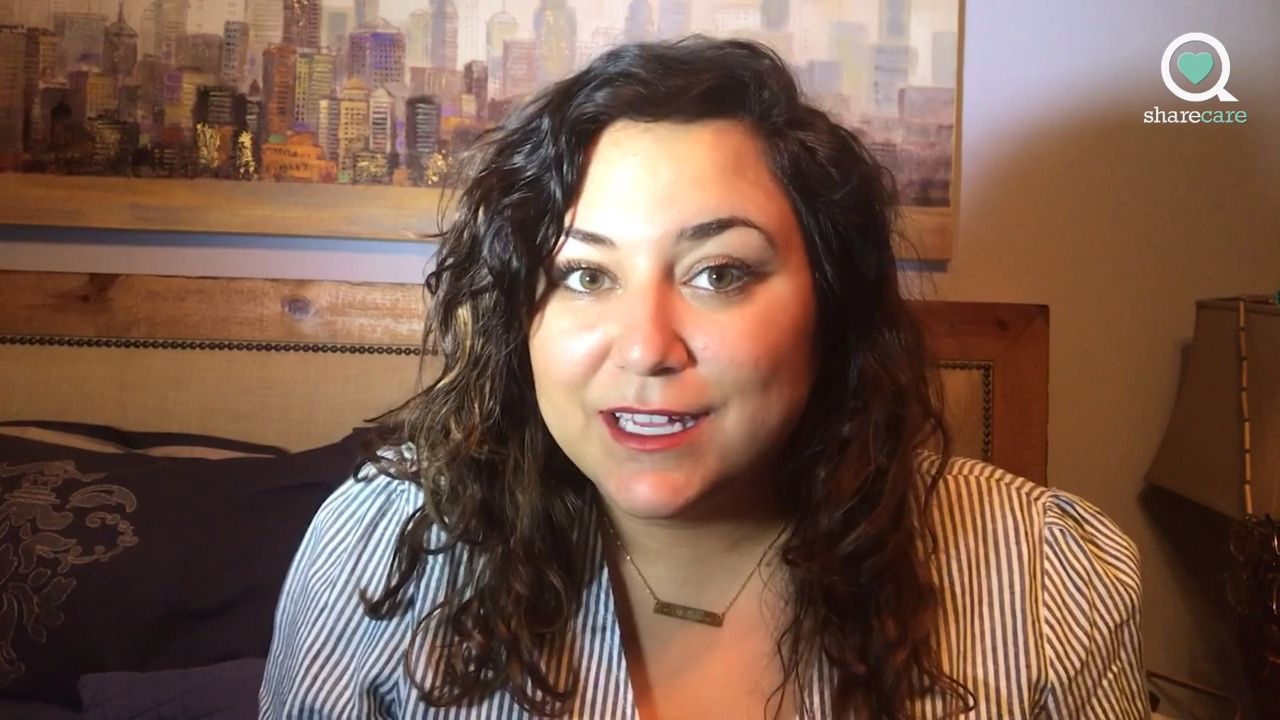
When Natasha Tracy of Vancouver, British Columbia, was 20, she was depressed—and terrified. “I had been depressed before, but this time I was suicidal,” she says. After one false diagnosis of depression, a second psychiatrist diagnosed her with bipolar disorder. "I didn’t know anything about it," says Tracy, now in her 30s and a mental health writer.
There are multiple types of bipolar disorder. The most commonly diagnosed include:
- Bipolar I disorder: This involves a manic episode, which is a period of at least one week during which a person feels extremely energetic and has many extreme changes in mood. Many people with bipolar I also have low or depressed periods, or times when they feel neutral.
- Bipolar II disorder: This involves at least one depressive episode and one episode of hypomania, which is a shorter, milder period of mania. Between episodes, people with bipolar II frequently function normally.
- Cyclothymic disorder: This occurs when a person cycles between milder hypomanic and depressive symptoms for at least two years.
Bipolar disorder affects about 2.8 percent of adults in the United States, according to the National Institute of Mental Health. It’s typically diagnosed during a person’s late teens or early 20s, though symptoms can occur at any age.
Daily challenges
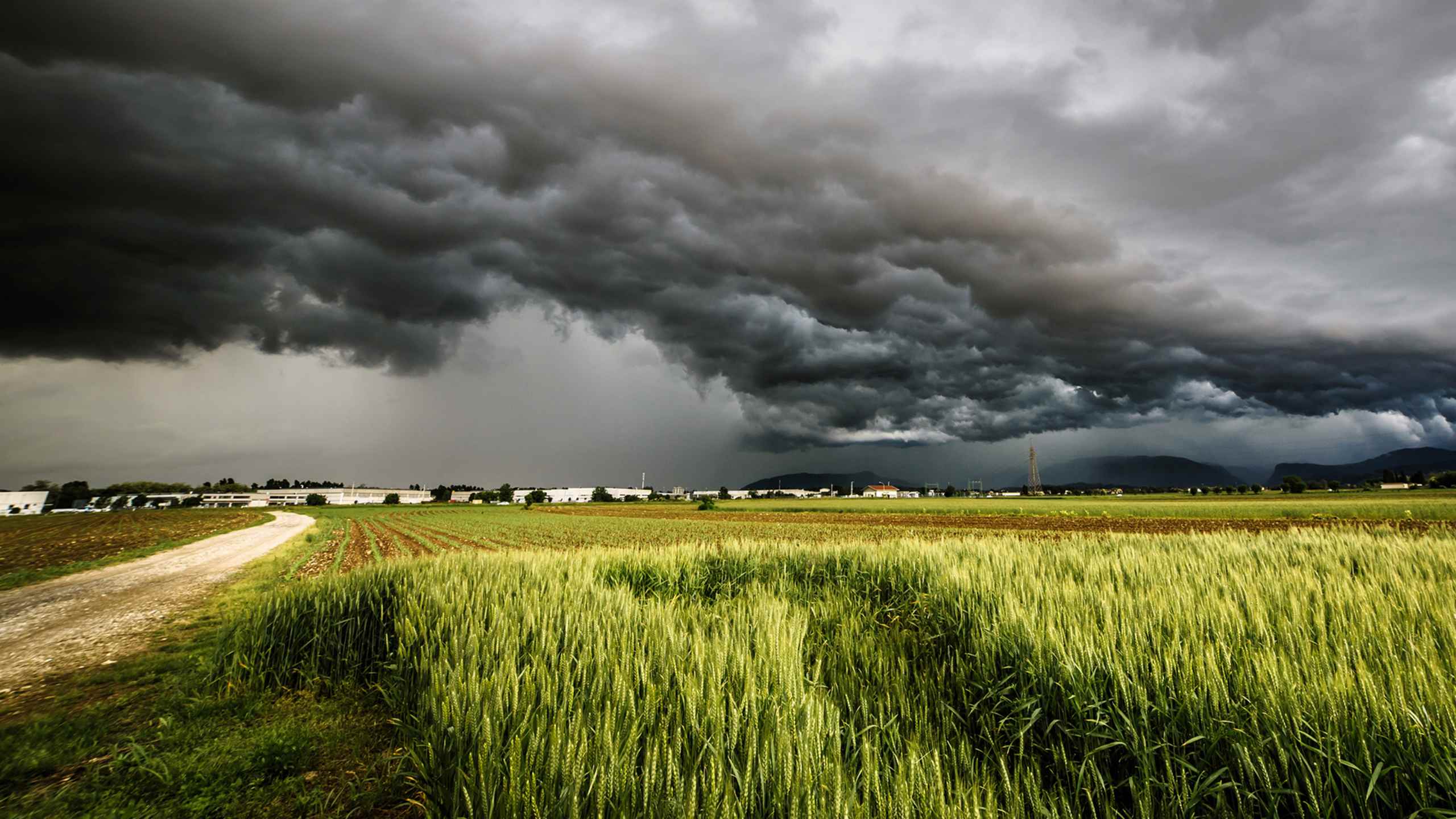
"Having bipolar disorder feels like living in a tornado," says Tracy. "It is vast and beyond your control, so strong that it can pick up your house and crash it."
Especially difficult is that it can seem to arrive suddenly, without warning. After the first episode, many people live with fear about when another episode will happen.
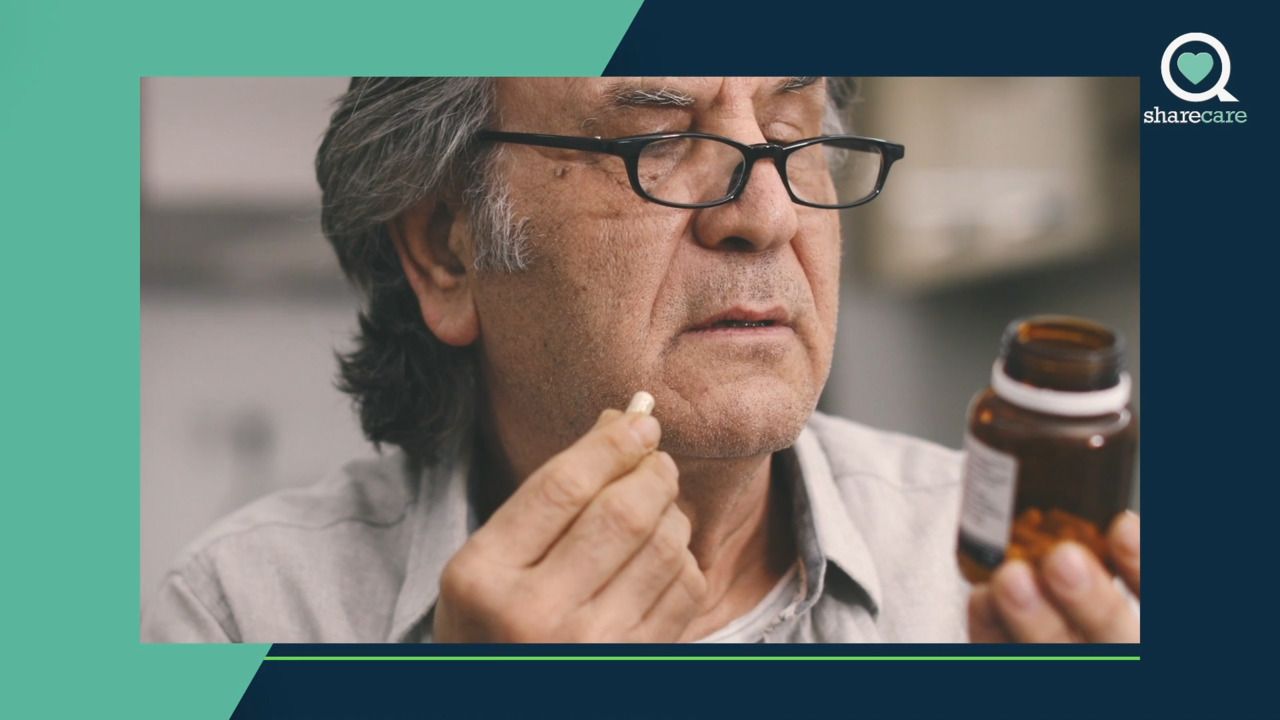
People living with bipolar disorder also have to adjust to taking daily mood stabilizers, the standard treatment. Treatment may cause a person to feel numb, which can be difficult to cope with. The medications can have other side effects, as well. Tracy experienced an exhausting racing heart, headaches, and nausea. Now she is on a medication that is only moderately effective.
Daily mood and energy changes are challenging too, says Tracy: "I do better in the mornings so I work seven days a week to make up for short days." She has little energy so routine tasks—even eating—often go undone.
Eroding relationships
Bipolar disorder can be rough on relationships, too. "One coping strategy is withdrawal," says Tracy. "People can feel it’s difficult to know me because I’m hiding my emotions."
Dating is tricky, too. Sometimes she’s too depressed to go out. And some people reject her when they find out she has bipolar disorder.
Sometimes, people with the disorder can say or do bizarre things when they are manic, which can frighten others. This can also take a toll on relationships.
The bipolar stigma
Not least of the difficulties are false notions about bipolar disorder, says Tracy. "One, that we are unreliable and that moods come and go in a moment. Another, that we are violent. Most people with bipolar disorder are not."
Another misconception is that people can just snap out of it or simply stop certain thoughts and behaviors. Loved ones may even advise a person to stop treatment and deal with the condition on their own, the effects of which can be devastating.
Healthy steps
Bipolar disorder has genetic components, and environmental triggers play a role. Some triggers and lifestyle habits can be managed to limit episodes. These include the following.
Take your medications
Many people with a diagnosis stop taking their meds, perhaps because they feel better, they don’t think the medication is working, or they experience side effects. But getting and staying on the right medications is key to reducing or avoiding bipolar episodes. Don’t stop taking or change how you take prescribed drugs before speaking to a healthcare provider (HCP).
Schedule sleep
"Sleep is a priority," says Tracy, who gets up and goes to sleep at the same time daily. She also has an unswerving bedtime routine: "It signals to my body that it’s bedtime."
At the same time, take care to limit your caffeine intake. Even a modest amount interferes with deep sleep. If you’re a coffee drinker, cut down to one cup a day for a week. Continue that pattern until you are down to no more than two cups a day before noon.
Avoid alcohol
Alcohol use disorder (alcoholism) is common among people with bipolar disorder. Since drinking can make bipolar worse—and vice versa—it’s critical to avoid it or get treatment if needed.
Get regular physical activity as you are able
Exercise may help people with bipolar disorder who are experiencing periods of depression, since among other benefits, it can regulate mood, relieve stress, and improve sleep. Ask an HCP how it might work best for you.
Sources: National Institute of Mental Health. Bip... + 8
- National Institute of Mental Health. Bipolar Disorder. Accessed September 25, 2026.
- Mayo Clinic. Bipolar disorder. May 8, 2026.
- Cleveland Clinic. Mood Stabilizers. June 18, 2024.
- Johns Hopkins Medicine. Bipolar Relationships: What to Expect. Accessed September 25, 2026.
- American Psychiatric Association. Stigma, Prejudice and Discrimination Against People with Mental Illness. March 2024.
- American Psychological Association. Mental illness and violence: Debunking myths, addressing realities. July 11, 2022.
- Iyer V, Jain A, Mitra P. Bipolar Disorder. 2026 Sep 9. In: StatPearls [Internet]. Treasure Island (FL): StatPearls Publishing; 2026 Jan–.
- CAMH (Canada). Mood Stabilizing Medication. Accessed September 25, 2026.
- Mayo Clinic. Bipolar disorder and alcoholism: Are they related? February 13, 2024.