The winter holidays are a joyous time for many teens: They’re out of school, and opportunities to celebrate and spend time with friends and loved ones abound. But for some, wintertime can bring thoughts of sadness or hopelessness, otherwise known as the winter blues.
“The winter blues is a term used to describe the general feeling of sadness, fatigue or ‘blah’ that many people experience during the cold, winter months,” says Leah Helton, MD, a pediatrician in Dublin, Georgia.
Typical winter blues can bring about mild feelings of gloom and may make your child feel more tired than usual.
In some cases, though, more serious symptoms can indicate seasonal affective disorder (SAD), a form of major depressive order that comes and goes with the seasons, most commonly with the fall and winter seasons but in some cases the spring and summer.
The winter blues tend to go away on their own and typically don’t interfere with everyday life. But SAD is a potentially life-threatening condition that should be taken seriously and treated accordingly since SAD, like depression, can lead to suicidal thoughts.
As the cooler season approaches, it’s important to learn to recognize the signs of mental health issues and to make sure your teen is receiving any treatment they might need.
Watch for symptoms of SAD
It’s important to be on the lookout for certain signs that may help you determine how serious your child’s condition is. Symptoms of SAD are the same as those of major depression, and you should take your child to a healthcare provider (HCP) if they persist for two weeks or more.
Dr. Helton says some of the first signs to watch for in children include social isolation, avoiding peer or family interaction, and excessive mood swings or irritability.
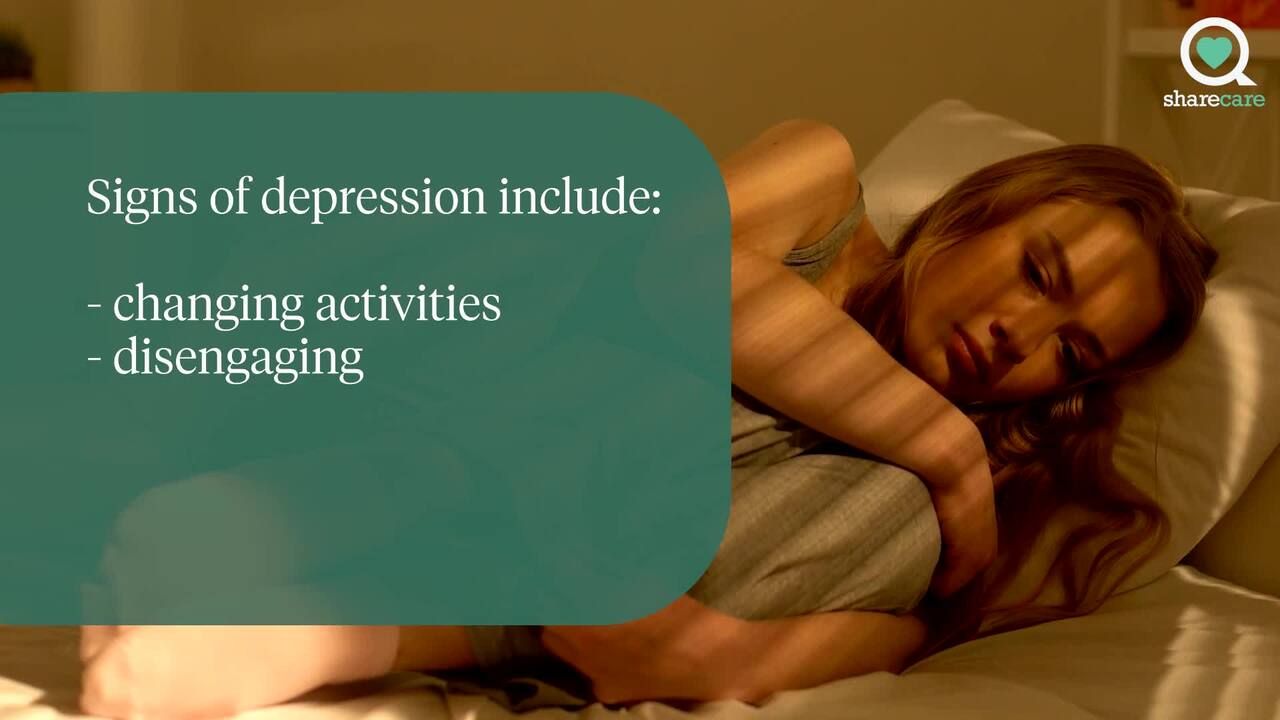
Other more general signs of depression include:
- Feelings of hopelessness or worthlessness
- Decreased energy levels
- Difficulty sleeping or sleeping too much
- Losing interest in activities one used to enjoy
- Unexpected weight gain or loss, or changes in appetite
- Irritability
- Trouble concentrating on schoolwork
- Thoughts of suicide
And for winter-related SAD specifically, keep an eye out for these, too:
- Excessive sleeping
- Carbohydrate cravings
- Social isolation
If your child expresses suicidal thoughts, it’s important to get help quickly. If they’re actively trying to harm themselves, call 911 right away. If they’re not in immediate danger or aren't trying to hurt themselves, reach out to a mental health professional or call, text, or chat 988 to reach the 988 Suicide and Crisis Lifeline. They offer help 24 hours a day, seven days a week.
What causes SAD?
While the exact cause of SAD is unknown, some people are more at risk than others. Younger adults and women are more likely to experience SAD. People who live farther from the equator, those with a family history of SAD or any type of depression, and those who have depression or bipolar disorder also have an increased risk.
Experts have a couple of theories about SAD triggers. They include:
A disruption to circadian rhythm
It’s no surprise that longer, darker days may make us feel a bit gloomy. But for those with extreme winter blues, or SAD, the effects are more pronounced.
The body’s natural clock, also known as its circadian rhythm, controls your sleep and wake cycle and is greatly affected by light and darkness. The shorter days and longer nights of winter may cause your child to sleep more than they do during sunnier parts of the year. The longer spans of darkness in wintertime can also increase the body’s production of melatonin, which can cause your child to feel sleepy and sluggish. All told, changes to the sleep-wake schedule can contribute to feelings of depression.
Increased serotonin levels
Less sunlight can also cause levels of serotonin, a chemical produced in the brain that controls mood, to drop, which in turn may cause symptoms of depression.
Lower levels of vitamin D
Less exposure to sunlight in the winter months can cause vitamin D levels to dip. It’s possible that a lack of vitamin D can trigger depression symptoms, too.
5 things you can do to help your child
If you notice your child is having symptoms of low mood or SAD, talking with your family physician is extremely important. They can suggest the best treatment options for your child, which may include antidepressants, light therapy, or psychotherapy.
The American Academy of Pediatrics recommends that parents and caregivers learn more about SAD and participate in any plan prescribed to treat it. It’s also important to let your child know you’re there for them.
Here are some of the other ways you can support a child struggling with seasonal depression:
Plan to spend more time together
Although your child may not have a lot of energy, it’s important to set aside time to be with them. Try low-key activities like family board games, walks, and cooking. Cooking meals together can have extra benefits, since eating a healthy diet filled with nutritious foods like fruits, vegetables, whole grains, and lean protein can help support mental health.
Let the light in
Sunlight can help ease mild SAD. Try:
- Spending time outdoors
- Opening shades and blinds in your home
- Purchasing a special alarm clock or simulator that mimics the rising sun in the morning
Encourage them to get some exercise
Though they may have low energy levels, encouraging your child to exercise can improve symptoms and actually boost their energy. Walking outside is a great low-impact activity that can also expose them to sunlight and fresh air. And yoga is another good one for clearing the mind, too.
Help them stick to a regular sleep-wake schedule
Although they may feel sleepier than usual, establishing a consistent sleep schedule can help your child get back on track. Teens need about 8 to 10 hours of sleep per night (unless your HCP recommends something different) and can benefit from going to bed and waking up at the same time each day.
Spend some extra time on their schoolwork
A child struggling with SAD or even the winter blues may find it difficult to concentrate on their homework. It can therefore be helpful to inform your child’s teachers of the situation. Try to set aside more time each night to work together on their assignments.
Be patient and reassuring
One of the most beneficial things you can do for your child is to be patient. They may be irritable, sluggish, and maybe even a little apprehensive about being social, but consistently supporting them and letting them know their symptoms can get better may lift their spirits.
SAD is a serious condition—and one that can be effectively treated. If your child knows you are there for them throughout the process, they’ll feel supported and encouraged, which in turn can help them get better.
Sources: Rush University. More Than Just the Wint... + 4
- Rush University. More Than Just the Winter Blues? Accessed September 22, 2026.
- HealthyChildren.org (AAP). Winter Blues and Seasonal Affective Disorder. November 19, 2024.
- National Institute of Mental Health. Seasonal Affective Disorder. 2023.
- Mayo Clinic. Seasonal affective disorder (SAD). December 14, 2021.
- Better Health Channel (AUS). Teenagers and sleep. Accessed September 22, 2026.