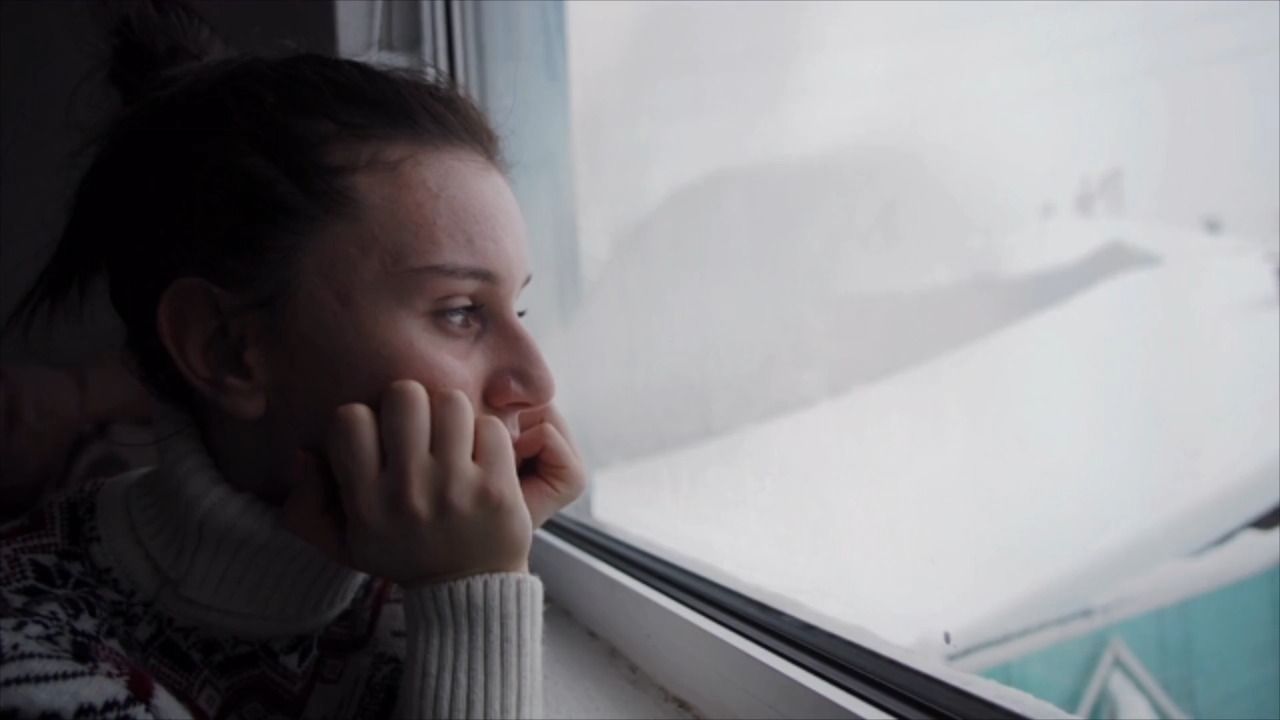


Staying in bed and hibernating can be a tempting way for most people to spend dark winter mornings. But if getting out of bed is an overwhelming challenge on most days, it could be a sign of seasonal affective disorder (SAD). An excessive need for sleep, or hypersomnia, is just one symptom people with SAD experience during the winter months.
SAD is a type of depression that comes and goes along with the changing seasons. Most people start to feel its effects in the fall, with symptoms lasting until about April. SAD affects an estimated 5 percent of the U.S. population, with a prevalence of up to 10 percent in northern regions of the country that have shorter days during the winter.
“Exactly how long your symptoms last will depend on whether or not you receive the proper treatment,” says Jacob Manjooran, MD, a psychiatrist and neurologist with Southern Hills Hospital and Medical Center in Las Vegas, Nevada. But many people with SAD experience bouts of depression each fall and winter without receiving any treatment at all.
That’s because symptoms of SAD:
- Can be vague or resemble those of other conditions, such as certain thyroid disorders
- Don’t last year-round
- Typically worsen when some people might ordinarily expect to feel blue, such as around the holidays
Here’s what you need to know about the symptoms of winter-onset SAD and how to get help.
What causes SAD?
Scientists aren’t exactly sure what causes this disorder, but many believe the dark mornings and short days disrupt your circadian rhythm, or the internal clock that tells you when it’s time to sleep. The abrupt change in sleep-wake schedules and earlier onset of evening that arrive with the autumn time change can worsen these body clock issues.
“Low winter lighting causes your brain to release more melatonin—the chemical that makes you sleepy—causing you to lack energy,” explains Dr. Manjooran. “Later, during the summer, high levels of light increase your brain’s production of the chemical serotonin, which helps you wake up, energizes you, and fights depression.”
What are the symptoms of SAD?
The majority of SAD symptoms can also signal clinical depression. These include:
- Brain fog
- A persistent sad mood
- Feeling exhausted all the time
- A loss of interest in things that once brought you joy
- Believing you’re worthless or feeling guilty about things that normally wouldn’t bother you
- Suicidal thoughts
“With SAD, your energy, concentration, and motivation all go down,” says Manjooran. “All of these things can occur with major depression, but some additional symptoms stand out as unique for SAD. We’ve found, for example, that most people have an increased appetite, especially for carbohydrates.”
While people with depression may interact less often with others, with SAD, isolation is a major symptom, Manjooran says. The need to sleep is especially powerful, as well. People tend to sleep for at least one full hour more per night than they do in warmer months.
“It’s a vicious cycle,” he says. “These symptoms appear and you start feeling worse. You may put on weight, sleep too much, and interact less. As a result, that makes you feel even more depressed. You need to do something to break that cycle.”
Seeking help for SAD
If you experience some or all of the symptoms of SAD for two weeks or more, reach out to a healthcare provider (HCP). SAD is highly treatable and getting the support you need can help prevent future episodes.
“A mental health professional can help you get your days back on track,” says Manjooran. It’s important to keep your routine as regular as possible to help improve your symptoms. That means eating healthy meals, sticking to your exercise program, and following a consistent sleep schedule.
“It’s not easy to do all of that on your own,” he explains. “A counselor will ask you, ‘Are you keeping this routine?’ They can motivate you to do it. On your own, it’s easy to fall behind.”
SAD treatments
Psychotherapy is one of the most effective treatments for SAD. A type of talk therapy called cognitive behavioral therapy (CBT) has been shown to have particularly long-lasting benefits.
In addition to counseling, people with SAD often see improvement with a combination of approaches, including:
Light therapy
A special light box may be used to mimic mood-boosting natural light. The lights are very bright, up to 20 times brighter than ordinary indoor light, and are specially designed to filter out harmful UV rays.
“You’d use light therapy early in the morning, as soon as you wake up,” recommends Manjooran. “Don’t stare at the light, but just sit in the glow, maybe while reading a book, for about 30 to 45 minutes each day.”
Lifestyle changes
“Get out as much as possible, interact with others, stick to your exercises; all of these are essential in treating SAD,” says Manjooran.
Medications
Some people need antidepressants along with light therapy and counseling. Commonly prescribed antidepressants include selective serotonin reuptake inhibitors (SSRIs) and bupropion. Your HCP will help you understand the potential benefits and side effects of any medications they may prescribe.
There’s one form of SAD, however, that won’t benefit from antidepressants. “It’s possible to experience a depressed episode of bipolar disorder, which follows a seasonal pattern,” explains Manjooran. “If you have bipolar disorder and you become depressed during the winter, it won’t improve with antidepressants. You’ll need mood stabilizers instead."
Medications typically start working within a few weeks. Along with light therapy and lifestyle changes, your symptoms may start to improve in just a few days.
Don’t wait if your depression is severe
Most cases of SAD tend to resolve when spring arrives, but you shouldn’t have to suffer through a long winter. If you have symptoms of SAD, contact an HCP to help you address the condition and get your routine back.
If you’re feeling depressed and experiencing any suicidal thoughts or thoughts of self-harm, get help right away. Call 911 or call, text, or chat the Suicide and Crisis Lifeline at 988. If you’re with a loved one, have them stay with you and take you to the nearest emergency room to get the care you need.
Sources: National Institute of Mental Health. Sea... + 4
- National Institute of Mental Health. Seasonal Affective Disorder. NIH Publication No. 20-MH-8138.
- Cedars Sinai. Seasonal Depression Can Loom As Time Change Goes Into Effect. November 3, 2021.
- Cleveland Clinic Newsroom. How Daylight Saving Time is Linked to Seasonal Affective Disorder. November 4, 2021.
- Cleveland Clinic. Seasonal Depression (Seasonal Affective Disorder). Last reviewed April 10, 2022.
- Mayo Clinic. Seasonal affective disorder (SAD). December 14, 2021.