Boost your energy level in 11 steps
Recharge your batteries so you can have more energy.
Jan, 2026




1 of 12
Slide 1
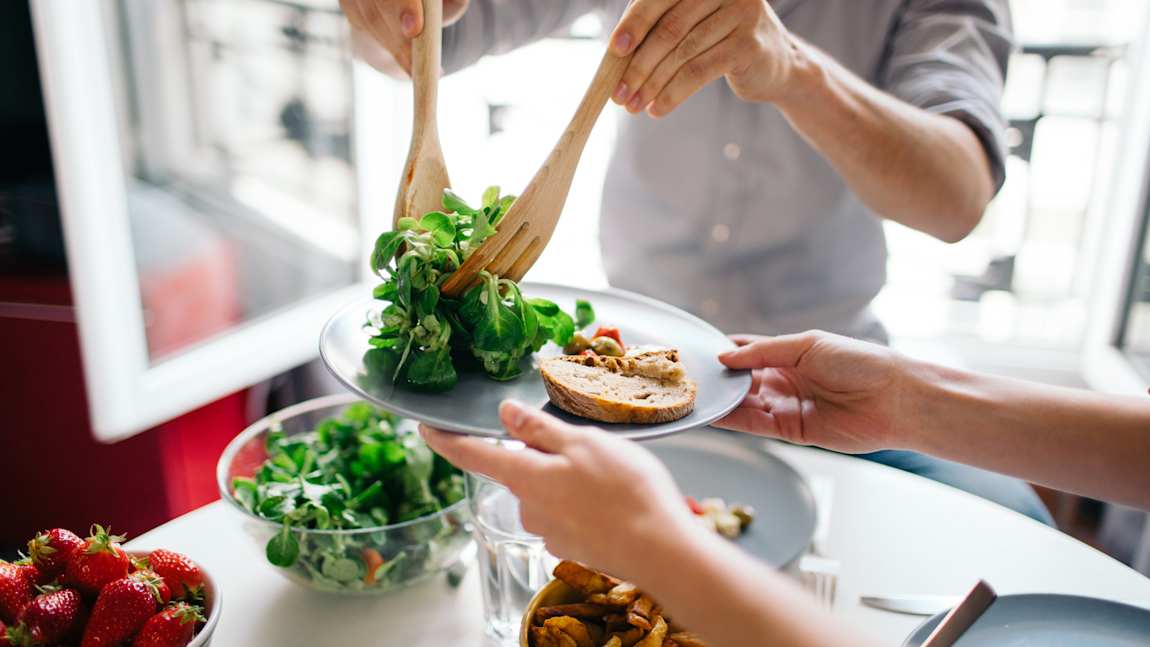
Most people feel tired now and then, but are your energy stores totally depleted? Here’s an analogy: If you blow a fuse in your house, lighting a few candles and using a flashlight doesn’t get the power back on. You'll need to find the blown fuse, replace it, and reset the system. The same goes for your energy. Instead of reaching for foods with a lot of sugar, carbs, or caffeine, try these simple, everyday tips to rebuild your energy stores.
Written byMichael Gollust.
Medically reviewed byMegan Burke, MD.
Sources: Centers for Disease Control and Prevention. About Sleep. Accessed September 3 + 16
- Centers for Disease Control and Prevention. About Sleep. Accessed September 3, 2024.
- Cleveland Clinic. Dehydration. Page last reviewed June 5, 2023.
- Trangmar SJ, González-Alonso J. Heat, Hydration and the Human Brain, Heart and Skeletal Muscles. Sports Med. 2019 Feb;49(Suppl 1):69-85.
- Muckelbauer R, Sarganas G, Grüneis A, et al. Association between water consumption and body weight outcomes: a systematic review. Am J Clin Nutr. 2013 Aug;98(2):282-99.
- Centers for Disease Control and Prevention. About Water and Healthier Drinks. Accessed September 3, 2024.
- Cleveland Clinic. What the Color of Your Pee Says About You. November 8, 2021.
- MedlinePlus. Simple Carbohydrates. Page last reviewed February 28, 2024.
- Johns Hopkins Medicine. Facts About Sugar and Sugar Substitutes. Page accessed September 3, 2024..
- National Institute of Mental Health. Seasonal Affective Disorder. Page accessed September 3, 2024.
- Harvard T. H. Chan School of Health. Tea. Page last reviewed April 2023.
- Mayo Clinic. Caffeine content for coffee, tea, soda and more. April 26, 2022.
- Mancini E, Beglinger C, Drewe J, et al. Green tea effects on cognition, mood and human brain function: A systematic review. Phytomedicine. 2017 Oct 15;34:26-37.
- National Institutes of Health: Office of Dietary Supplements. Magnesium Fact Sheet for Consumers. Page last updated March 22, 2021.
- Dutheil F, Danini B, Bagheri R, et al. Effects of a Short Daytime Nap on the Cognitive Performance: A Systematic Review and Meta-Analysis. Int J Environ Res Public Health. 2021 Sep 28;18(19):10212.
- Centers for Disease Control and Prevention: National Institute for Occupational Safety and Health. Nap duration. Page last reviewed March 31, 2020.
- Academy of Nutrition and Dietetics. Eating to Boost Energy. Page last reviewed August 22, 2023.
- Centers for Disease Control and Prevention. 3 Steps to Building a Healthy Habit. Page accessed September 3, 2024.
Recommended for you
 How can I be more consistent?