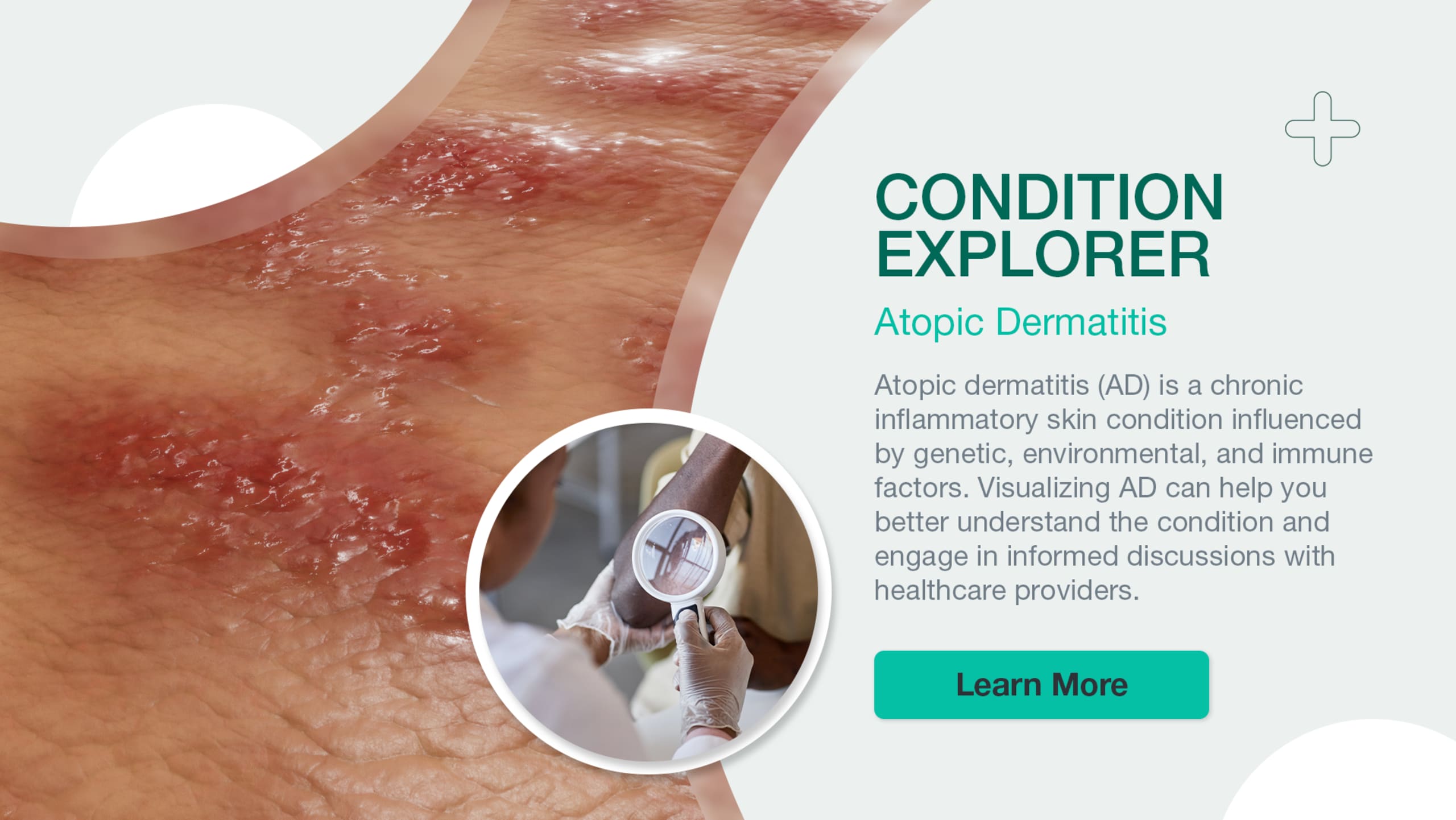


Atopic dermatitis is the most common form of eczema. It affects millions of adults and children across the United States.
Symptoms include dry, itchy skin that can be flaky or scaly in appearance. These symptoms can range from mild to severe, and can improve for periods of time while flaring and getting worse at other times. There is no cure for atopic dermatitis, but there are treatments that can help ease and control symptoms.
Managing the condition is different for every person, and it may take some time to understand what triggers symptoms, what eases symptoms, and what treatments are effective. If you are diagnosed with atopic dermatitis, it’s important to work with a dermatologist.
The following are some topics you may want to discuss with your dermatologist.
Ask about triggers
A trigger is something that causes a flare or makes symptoms worse. Triggers are different for every person, but there are several triggers that are common. These include:
- Hot and cold temperatures (especially dry, low-humidity environments)
- Exposure to certain substances, such as harsh soaps, household cleaners, cigarette smoke and scratchy fabrics like wool
- Mental stress
Some patients keep journals, documenting their symptoms and daily activities, which can be helpful in identifying potential triggers.
Ask about food allergies
Many people with atopic dermatitis also have food allergies. The relationship between the two conditions is not well understood, but if you suspect you have a sensitivity to a particular food, it’s worth discussing it with your healthcare provider.
Discuss your treatment plan
Treatment for atopic dermatitis typically involves avoiding triggers, using topical moisturizers, and taking medications. When you meet with your dermatologist, it’s important to discuss how your current treatment plan is working and if your symptoms are under control. Remember, there are a number of different treatments available. If your current treatment plan doesn’t seem to be working for you, ask what other options you have.
Ask about managing stress
Stress management is another important aspect of living with atopic dermatitis. Stress can trigger and exacerbate symptoms, and the condition itself can be stressful to live with. Meditation, yoga, and relaxing activities are recommended strategies for managing stress.
Ask about managing itch
Itching is often called the most frustrating symptom of atopic dermatitis. Itching can have a severe impact on a person’s quality of life, contributing to stress, social anxiety, embarrassment, and interrupting sleep (since itching gets worse at night for many people). If itching is interfering with your quality of life in any way, tell your dermatologist.
Ask how to care for skin that breaks or bleeds
Scratching or rubbing dry, itchy skin can cause the skin to break or bleed. It can also introduce bacteria into these injuries, causing infection. Speak to your dermatologist about how to care for damaged skin.
Ask about exercise
Atopic dermatitis can make exercise a challenge. Sweat, overheating, exposure to hot or cold temperatures outside, dry air at an indoor gym, dehydration, and the synthetic materials that most athletic clothing are made from can all aggravate symptoms. But exercise remains a key component of overall health, important to maintaining a healthy weight, reducing stress, and maintaining mobility and strength as you age. Ask your dermatologist for keeping symptoms under control during exercise and any activities you may want to avoid.
Sources: National Eczema Association. Atopic Derm... + 8
- National Eczema Association. Atopic Dermatitis.
- UpToDate. Patient education: Eczema (atopic dermatitis) (Beyond the Basics).
- American Academy of Dermatology Association. Atopic Dermatitis: Self-Care.
- American Academy of Dermatology Association. Eczema Types: Atopic Dermatitis Diagnosis and Treatment.
- Merck Manual Professional Version. Atopic Dermatitis (Eczema).
- Rajani Katta and Megan Schlichte. Journal of Clinical and Aesthetic Dermatology, 2014. Vol. 7, No. 3.
- Judith Hong, Joerg Buddenkotte, Timothy G. Berger, and Martin Steinhoff. Management of Itch in Atopic Dermatitis. Seminars in Cutaneous Medicine and Surgery, 2011. Vol. 30, No. 2.
- Kevin B. Yarbrough, Kristin J. Neuhaus, and Eric L. Simpson. Dermatologic Therapy, 2013. Vol. 26, No. 2.
- National Eczema Association. Eczema and Exercise.