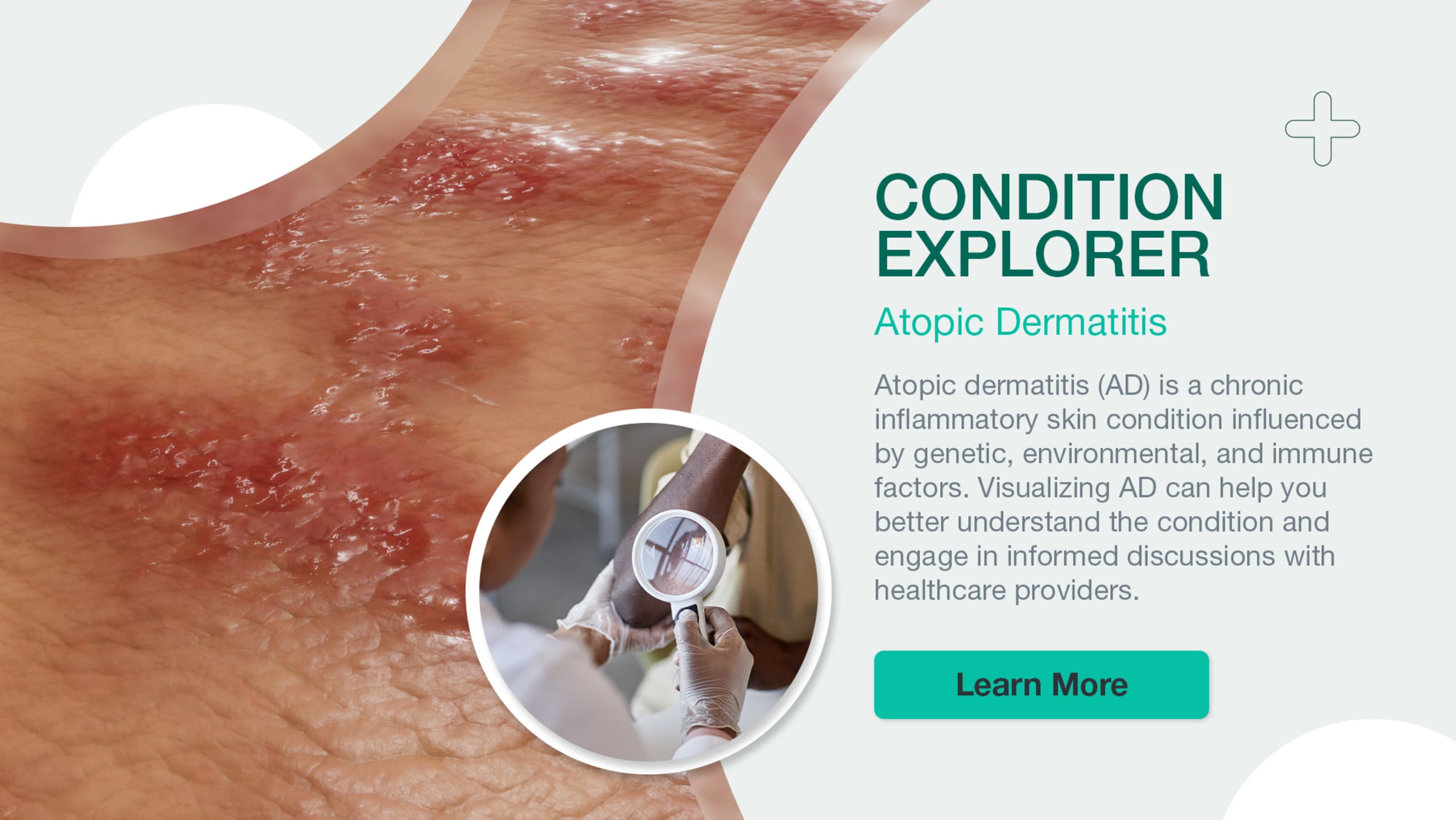
Atopic dermatitis is an inflammatory skin disorder that causes patches of dry, discolored, and itchy skin. Itch is frequently reported as the most bothersome symptom of the condition—so much that the condition is sometimes called “the itch that rashes.”
When atopic dermatitis itches, it will be tempting to scratch the affected areas of the skin. Scratching can damage the skin, make symptoms worse, and lead to infections. Scratching can also trigger more itchiness, which is known as the “itch-scratch cycle.”
Here are some strategies to help cope with itching and scratching.
Work with a healthcare provider
If you are living with atopic dermatitis, the number one thing you can do to improve any symptom is to seek treatment from a healthcare provider. Treatment may be overseen by a primary care provider, but many people will be referred to a dermatologist, a medical doctor that specializes in skin conditions.
Treatment for atopic dermatitis varies from person to person, and the treatments that your dermatologist recommends will take into account a number of different factors, including the severity of your symptoms and the areas of the skin that are affected.
Every treatment plan for atopic dermatitis will involve avoiding triggers and keeping the skin moisturized. Many treatment plans also involve medications, such as antihistamines, corticosteroids, and biologic medications (which act on pathways in the immune system). Some of these medications are topical—meaning they are applied directly to the skin—while others are taken as pills.
Strategies to cope with itch
In addition to working with a healthcare provider and following a treatment plan, it's helpful to some strategies on hand for those times when you’re itchy. Here are a few suggestions to help you get started.
- Apply a cold compress. Applying a cold compress to the skin can help relieve itching. You can make a cold compress with a washcloth soaked in cold water and an ice pack. (Reusables work well, as do ice cubes and a plastic bag.) Wrap the washcloth around the ice pack and apply to the itchy area of the skin. Hold for no more than 10 minutes and make sure to apply moisturizer afterward.
- Use a massage roller. Applying pressure to the itchy areas with a massage roller can also help relieve itch. Use the roller over your clothing instead of placing it directly against the skin.
- Keep your nails clipped. Some scratching may be unavoidable. Even people who are able to control the urge during the day may not be able to avoid nocturnal scratching while they sleep. Keeping your fingernails trimmed can help prevent scratching from damaging the skin. Wearing cotton gloves to bed can also help prevent damage.
- Keep your hands busy. Find something to keep your hands occupied for those times when you’re struggling not to scratch. This can be a game on your phone, a toy that you fidget with, or a hobby like knitting. It can also be a chore or task, like doing dishes or folding laundry.
- Keep your mind busy. Distract yourself by finding something else to focus on—read, watch TV, go for a walk, call a friend. Scheduling time to relax can also be helpful because it can reduce stress (which can trigger itch).
- Scratch something else. Some people with atopic dermatitis recommend scratching something else—like a patch of Velcro for instance, which can help satisfy and reduce the urge to scratch.
One final note of importance: Scratching can sometimes lead to infections, as skin becomes broken or damaged. If this occurs, see your healthcare provider, who can prescribe an antibiotic medication to treat the infection.
Sources: Dermnet NZ. "Atopic Dermatitis." + 10
- Dermnet NZ. "Atopic Dermatitis."
- T. Michelle Brown, Sheri Fehnel, et al. "The atopic dermatitis itch scale: development of a new measure to assess pruritus in patients with atopic dermatitis." Journal of Dermatological Treatment, 2020. Vol. 31, No. 5.
- MedlinePlus. "Atopic Dermatitis."
- Mayo Clinic. "Dermatitis."
- American Academy of Allergy, Asthma & Immunology. "Eczema (Atopic Dermatitis) Overview."
- Giulia Rinaldi. "The Itch-Scratch Cycle: A Review of the Mechanisms." Dermatology Practical & Conceptual, 2019. Vol. 9, No. 2.
- David McNamee. "Ever wondered why scratching makes itching worse?" MedicalNewsToday. November 1, 2014.
- UpToDate. "Treatment of atopic dermatitis (eczema)."
- Elsevier Point of Care. "Clinical Overview: Eczema and Atopic Dermatitis."
- Eczema Foundation. "Eczema: Anti-Scratching Tips."
- Allergy & Asthma Network. "Coping with Eczema."