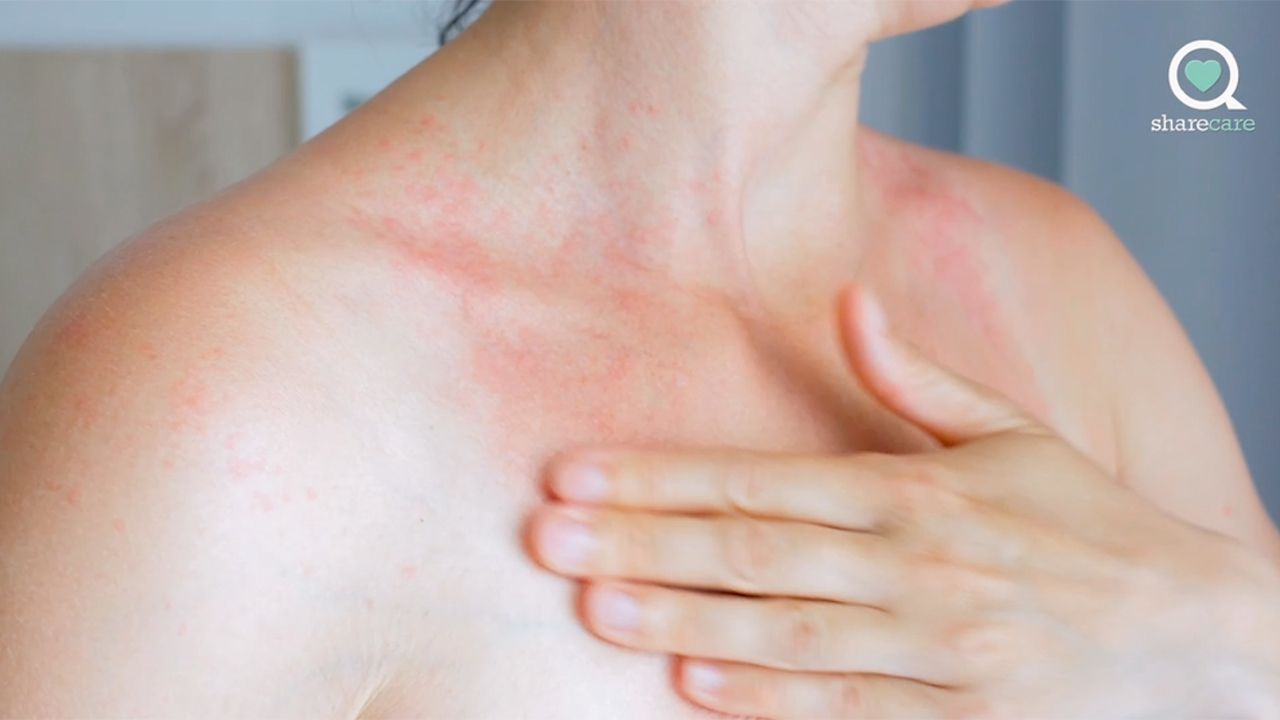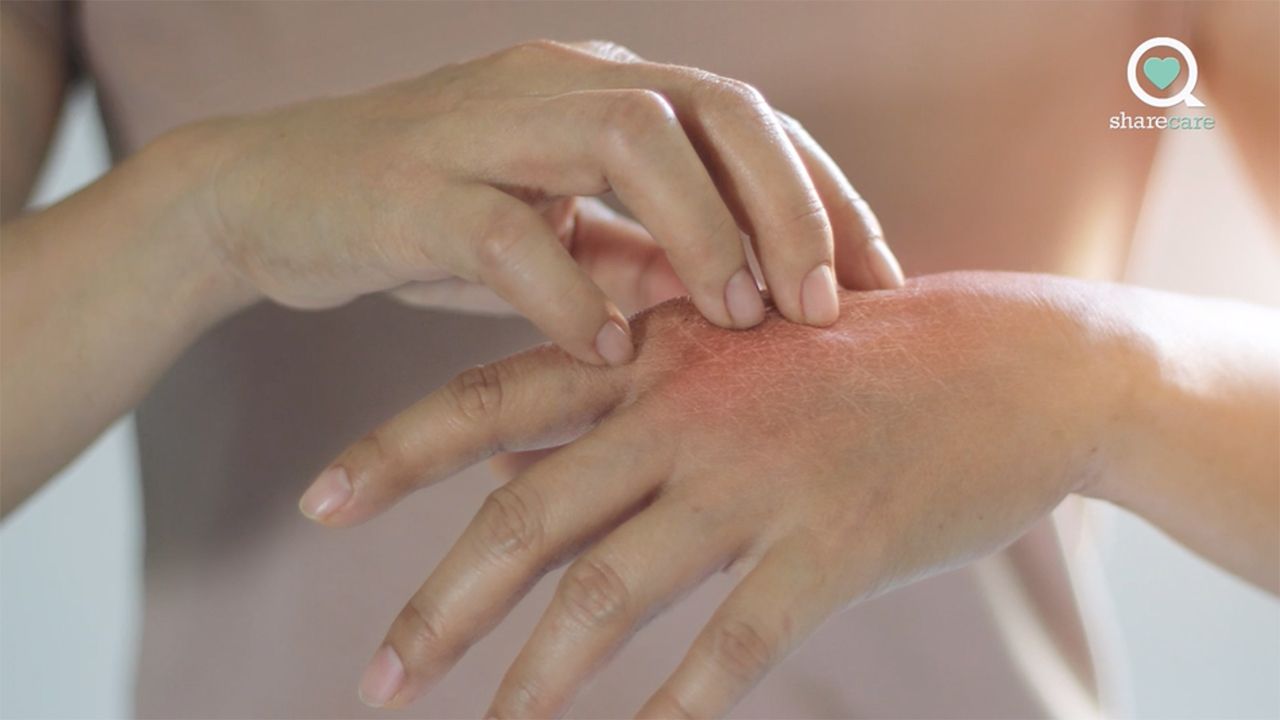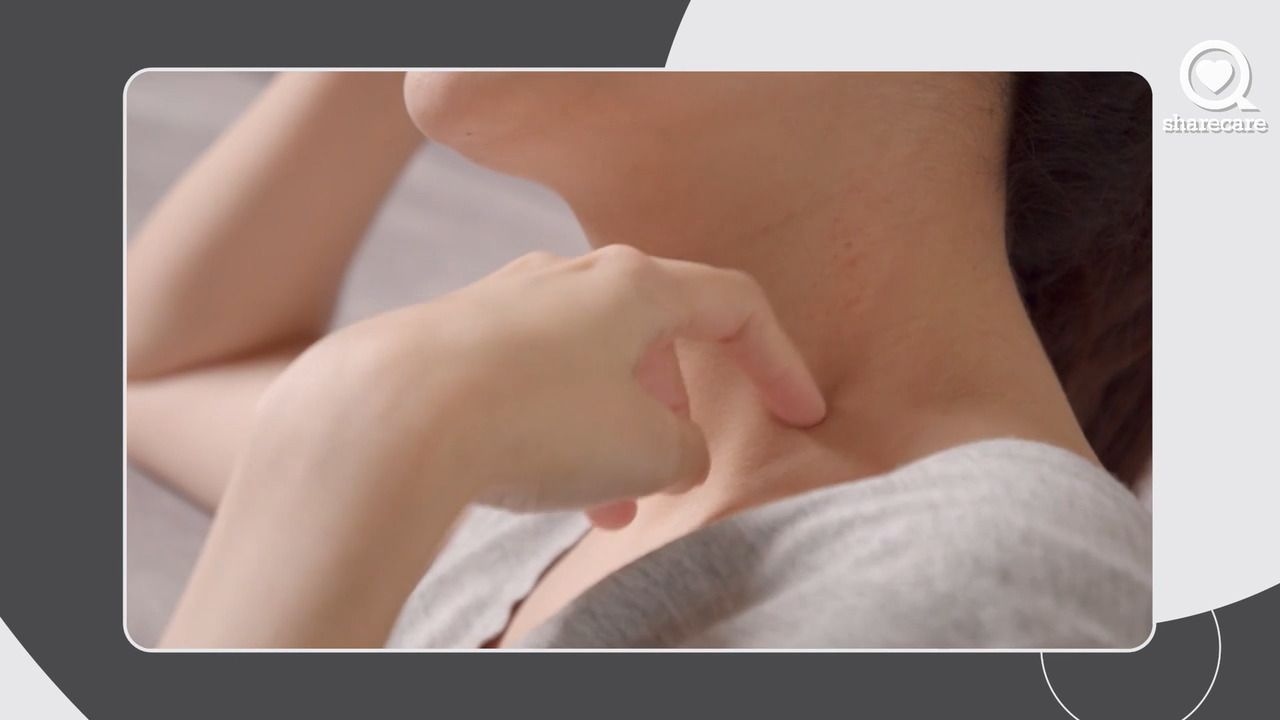


Hives are red, itchy, slightly raised or swollen welts that appear on the surface of the skin. They are also known as wheals, and by their clinical name, urticaria. It is estimated that 20 percent of people experience hives at some point during their lifetime. But what exactly is a hive, how do hives occur, and what causes hives?
Inflammatory response
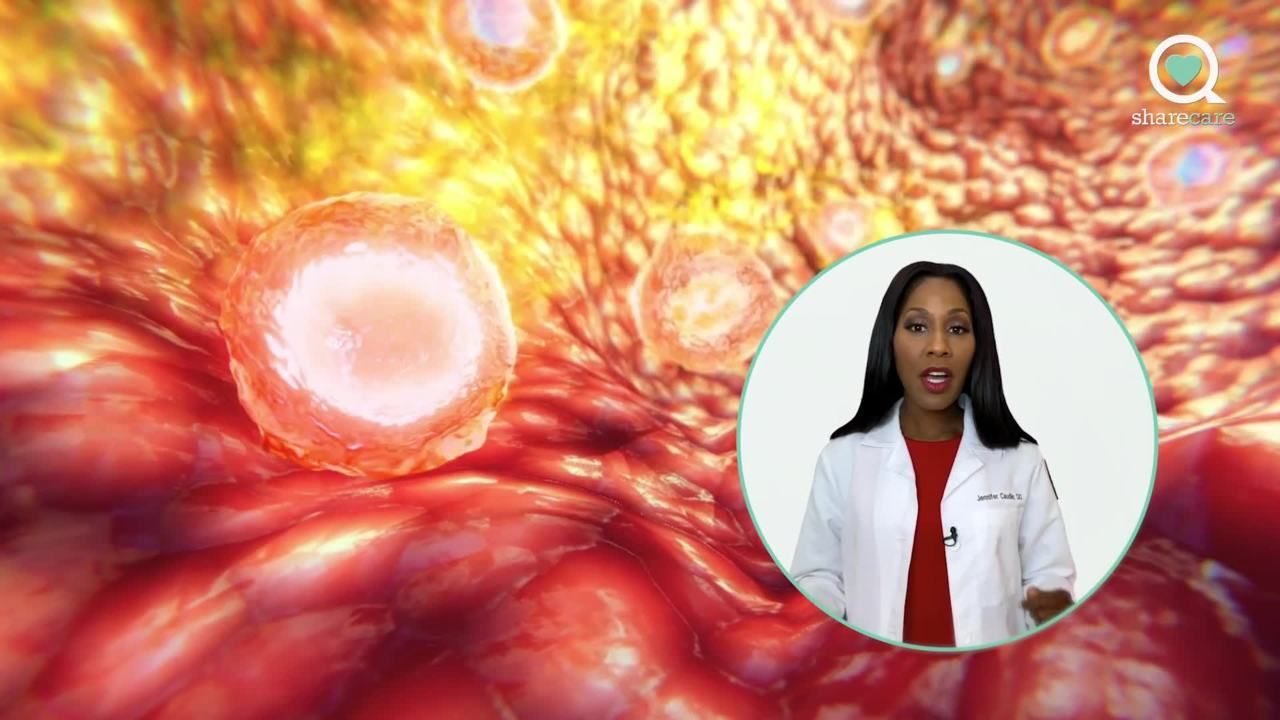
To understand why hives occur, it helps to understand mast cells. Mast cells are a type of immune cell that are found in connective tissues throughout the body, including tissues of the digestive tract, lungs, blood vessels, and the skin.
Mast cells are like security alarms for the body. When the body sustains an injury (like a sprain or a burn) or encounters an invader (like a virus, infectious bacteria, or allergen) mast cells release chemicals called inflammatory mediators. Histamines are one example of an inflammatory mediator.
Inflammatory mediators signal the immune system to respond to the injured or infected area—blood vessels widen, blood flow increases, and an influx of white blood cells arrive to sort out and repair the damage. This is called the inflammatory response, and it is why a sprained ankle will swell, and why the throat will become swollen when a person has the flu.
Hives
Hives form when mast cells beneath the skin release pro-inflammatory chemicals. These pro-inflammatory chemicals cause capillaries—very small blood vessels—in the skin to become inflamed and leak fluid. This is what gives hives a red and swollen appearance. Pro-inflammatory chemicals also trigger itching.
Roughly half of people with hives also experience angioedema. While hives occur near the surface of the skin, angioedema occurs underneath the skin. Swelling in the face and extremities are a common symptom. When a person is experiencing angioedema, their eyelids, mouth, hands, and feet may take on a puffy appearance, though angioedema can occur across the body.
Triggers
The majority of people who experience hives experience what is called acute urticaria, where hives resolve within six weeks. A much smaller percentage experience chronic urticaria, where hives persist or recur for a period longer than six weeks—in some cases, months or even years.
There are a number of known triggers for acute urticaria. Viral infections account for the majority of cases of hives in children. Allergies to certain foods (like shellfish or peanuts), drugs (including NSAIDs and antibiotics), and substances like latex, can trigger hives. Being stung by an insect like a wasp or a bee can also trigger hives. Identifying and avoiding triggers is a key aspect of treatment.
In most cases of chronic urticaria, the cause of the hives in unknown and cannot be identified. This is referred to as chronic spontaneous urticaria (previously known as chronic idiopathic urticaria). In some cases of chronic urticaria, the cause is an environmental trigger, such as exposure to cold, changes in body temperature, physical exertion, or pressure against the body (for example, pressure on the hands and arms when carrying a heavy object).
Treatment
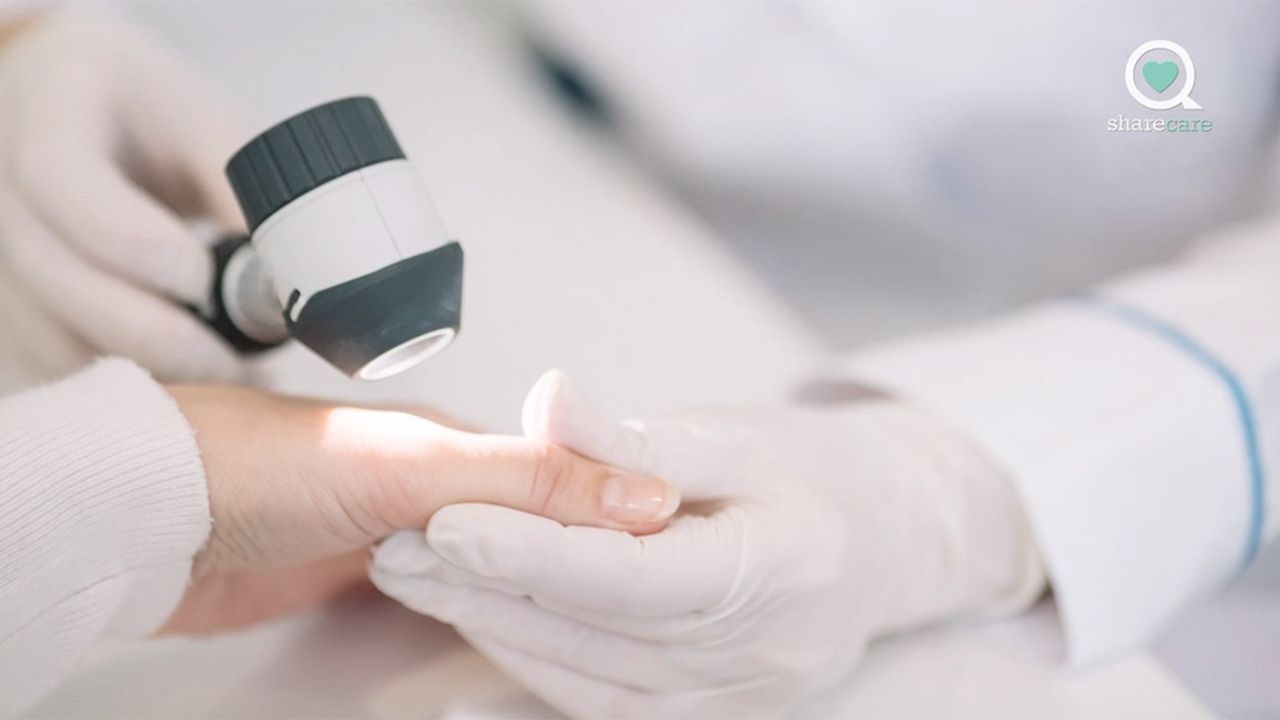
Because hives have different causes and can be a sign of other health disorders, hives should be evaluated by a healthcare provider. Hives are usually not a medical emergency, but can be a symptom of a severe allergic reaction or other emergency, including anaphylaxis, a severe allergic reaction. Contact emergency medical services if you have difficulty breathing or your throat feels like it is closing up. Seek emergency care if you are experiencing severe symptoms, such as a high fever and chills, weakness, lightheadedness, abdominal pain, vomiting, or diarrhea.
Sources: UpToDate. “Patient education: Hives (urt... + 6
- UpToDate. “Patient education: Hives (urticaria) (Beyond the Basics).”
- Merck Manual Consumer Version. “Hives.”
- British Society for Immunology. “Mast Cells.”
- L. A. Abdulkhaleq, M. A. Assi, Rasedee Abdullah, M. Zamri-Saad, Y. H. Taufiq-Yap, and M. N. M. Hezmee. “The crucial roles of inflammatory mediators in inflammation: A review.” Veterinary World. May 2018. Vol. 11, No. 5.
- LiveScience. “What is Inflammation?”
- Merck Manual Consumer Version. “Angioedema.”
- UpToDate. “Chronic spontaneous urticaria: Treatment of refractory symptoms.”