

A winter wonderland may be beautiful, but snow, ice, and frigid temperatures can be dangerous. Fortunately, there are ways to protect yourself when you venture outside.
Steps to safeguard against cold weather
Try these tips next time you head outdoors.
Bundle up in warm layers
It provides better insulation and covers everything. Your fingers and toes are at risk for frostbite in extreme cold due to the shunting of body heat to your core to protect your main organs. It is very important to wear waterproof mittens—to keep your fingers warmer than gloves—and layered socks.
Wear waterproof boots to keep your feet warm and dry
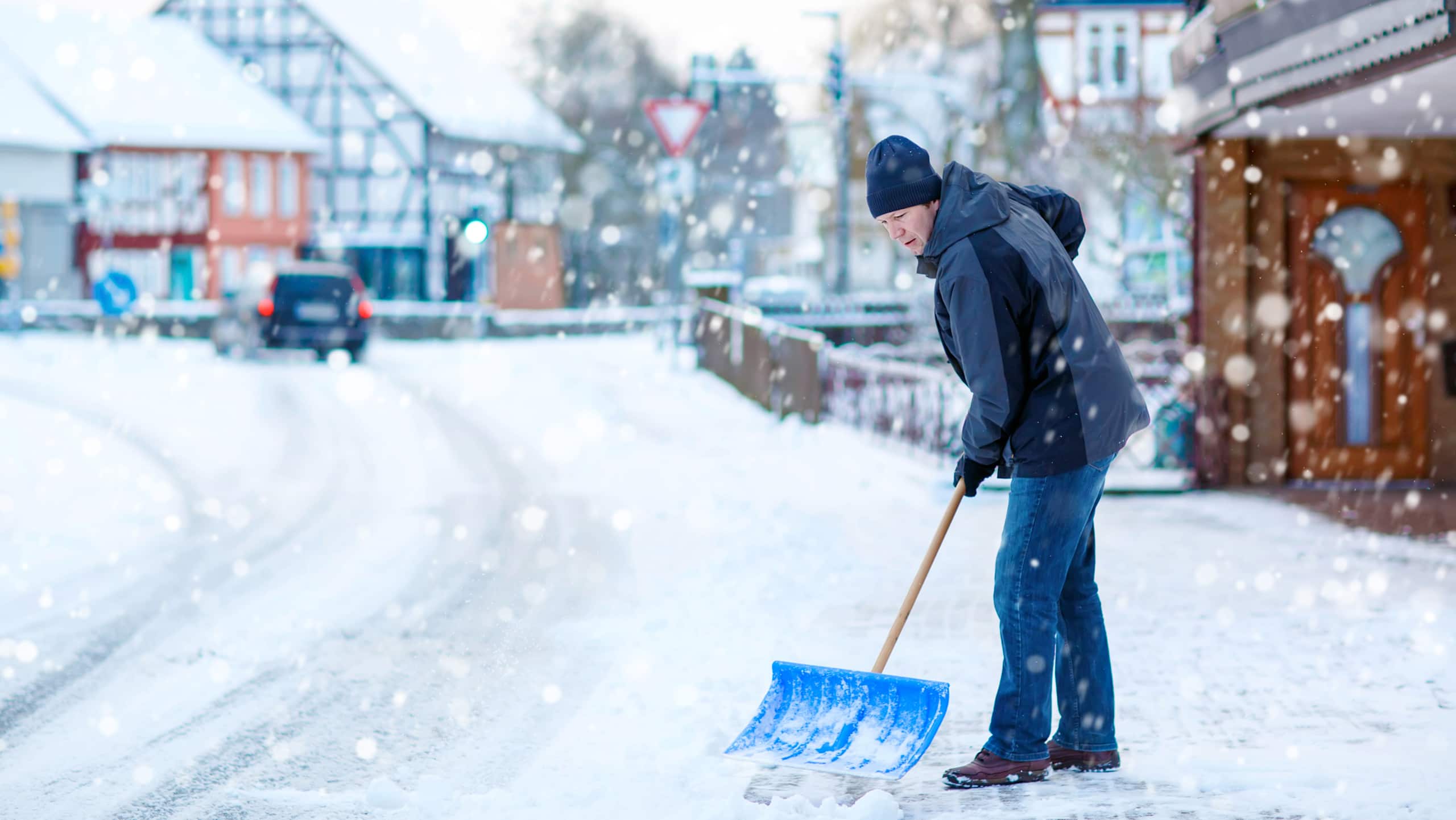
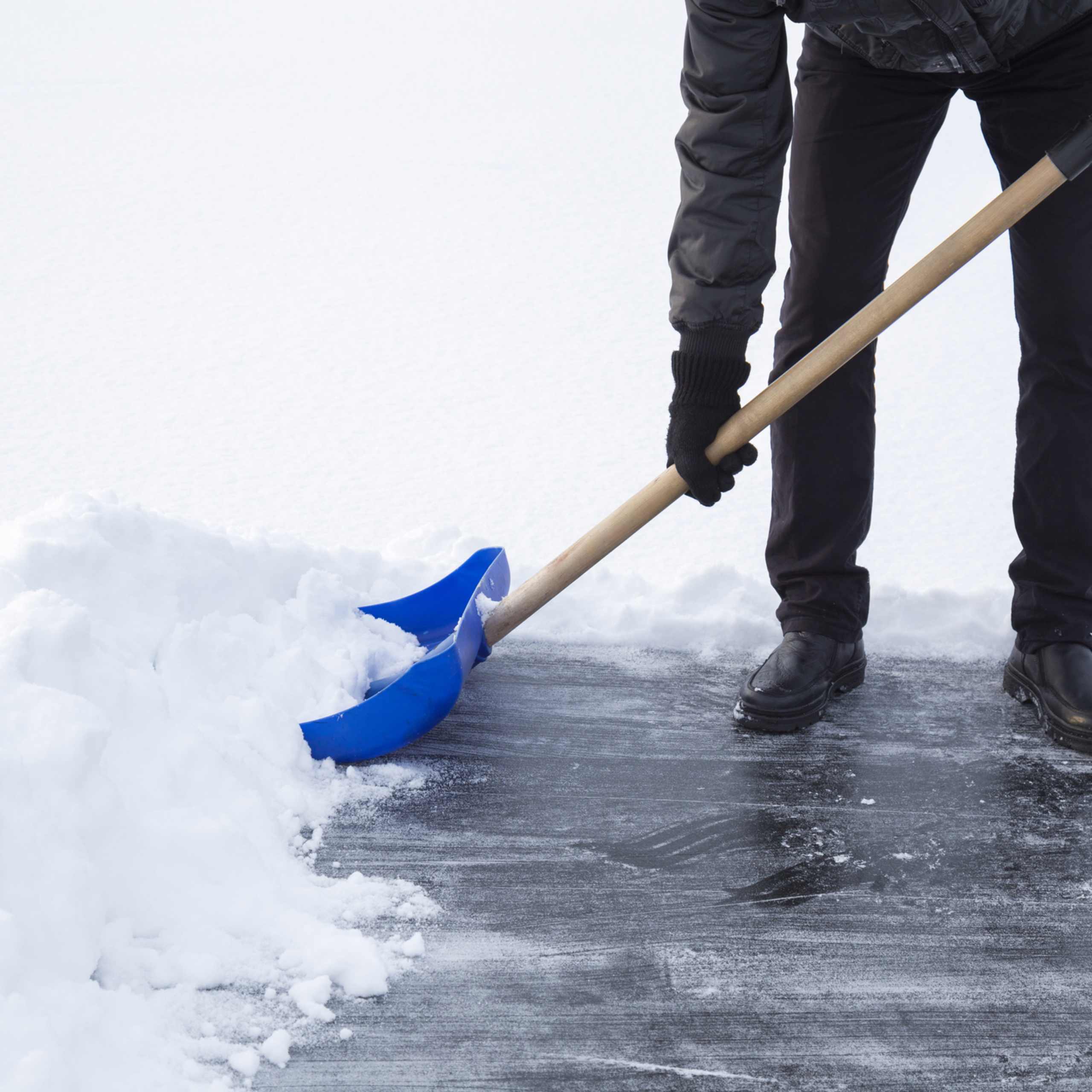
Make sure you have room to wiggle your toes and keep the circulation moving in your feet. If you step in a pile of snow and it seeps into your boot, get inside and dry off as soon as possible. Remaining outside to, say, shovel snow and clear out your driveway can put you at risk for frostbite.
Wear a warm hat that covers your forehead and ears
Studies suggest we lose about 10 percent of our body heat from our head and face. The tip of the nose and the ears are particularly vulnerable to frostbite. Wear a protective, warm facemask.
Stay hydrated and avoid overexertion
The body uses lots of energy to stay warm. Overexertion will cause the body to sweat and lose more heat.
Health risks of cold weather
People who are most vulnerable to the cold include older adults and those with chronic illnesses such as diabetes and heart disease. Those who abuse alcohol and drugs are less able to handle the cold and may show poor judgment when it comes to staying warm outside.
Frostbite, a freezing of the skin tissue, starts with stinging or tingling of the area affected. This is followed by numbness. Body parts that develop frostbite will turn white and appear waxy. Frostbite is not something to be ignored. It can lead to permanent damage to the blood vessels, muscles, tendons and nerves.
Call 911 immediately if you think that you or someone you know may be suffering from problems related to cold. This includes frostbite or hypothermia, which is a dangerous drop in body temperature as a result of prolonged exposure to cold. Among its symptoms are shivering, drowsiness, confusion, shallow breathing, and a weak pulse. If you are unable to get to a medical facility:
- Find a warm area as soon as possible.
- Avoid walking on frostbitten feet.
- Soak the affected areas in warm, not hot water. You can also use body heat such as an armpit to warm fingers. It is important not to massage or rub a frostbitten area since it will cause further damage.
Prevention is the key when it comes to avoiding illness and injury caused by the cold. Stay safe in the cold by making sure you and your family remain warm and dry.
Sources: Centers of Disease Control and Preventio... + 7
- Centers of Disease Control and Prevention. Safety Guidelines: During & After a Winter Storm. February 7, 2024.
- Trinity Health. Stay Warm, Stay Well. December 26, 2023.
- NYC Health. Stay Safe and Warm Outdoors. Accessed November 15, 2024.
- Vreeman RC, Carroll AE. Festive medical myths. BMJ. 2008 Dec 17;337:a2769.
- National Institute on Aging. Cold Weather Safety for Older Adults. Reviewed January 3, 2024.
- Drinkaware. Alcohol and cold weather. October 21, 2024.
- NHS (UK). Frostbite. August 24, 2021.
- Centers of Disease Control and Prevention. Preventing Hypothermia. February 7, 2024.