Alzheimer's explained

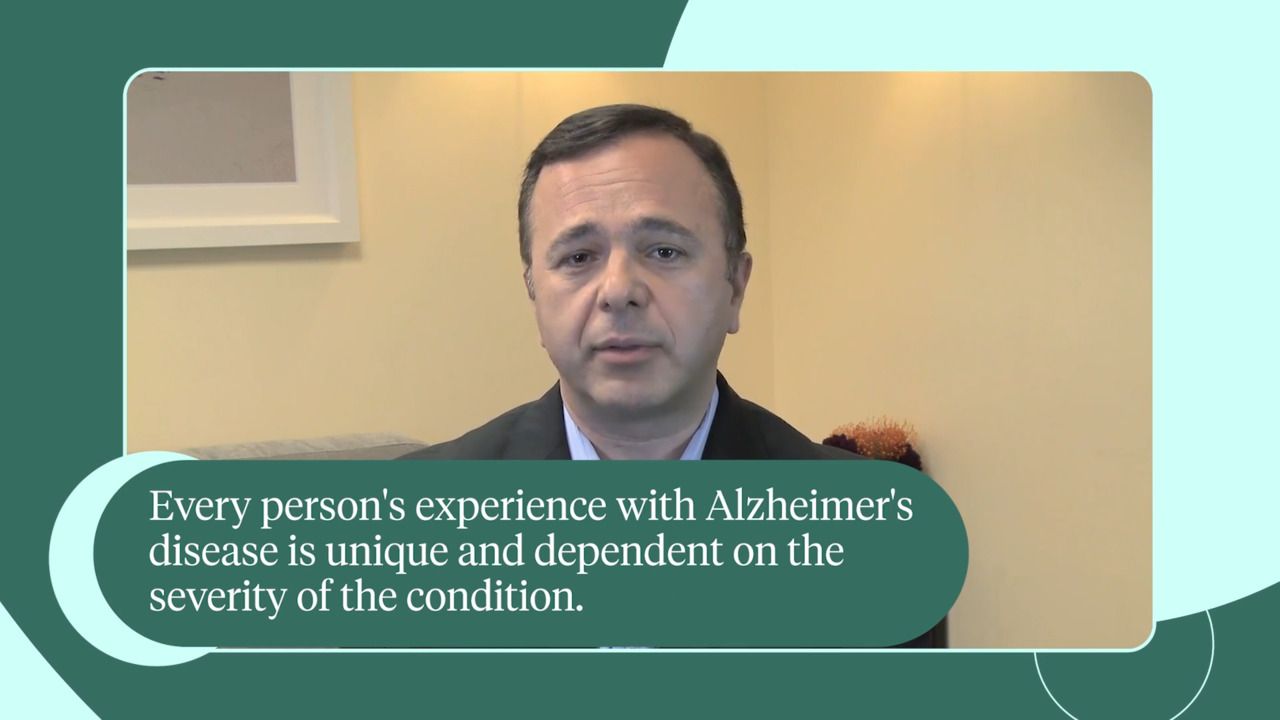
Alzheimer’s is a type of dementia that affects memory, thinking and behavior. Many of us will experience some changes in our cognition as we age. But dementia is not a normal part of aging.

Up Next
  • Alzheimer's agitation explained

  • How is Alzheimer's disease different from memory loss due to aging?
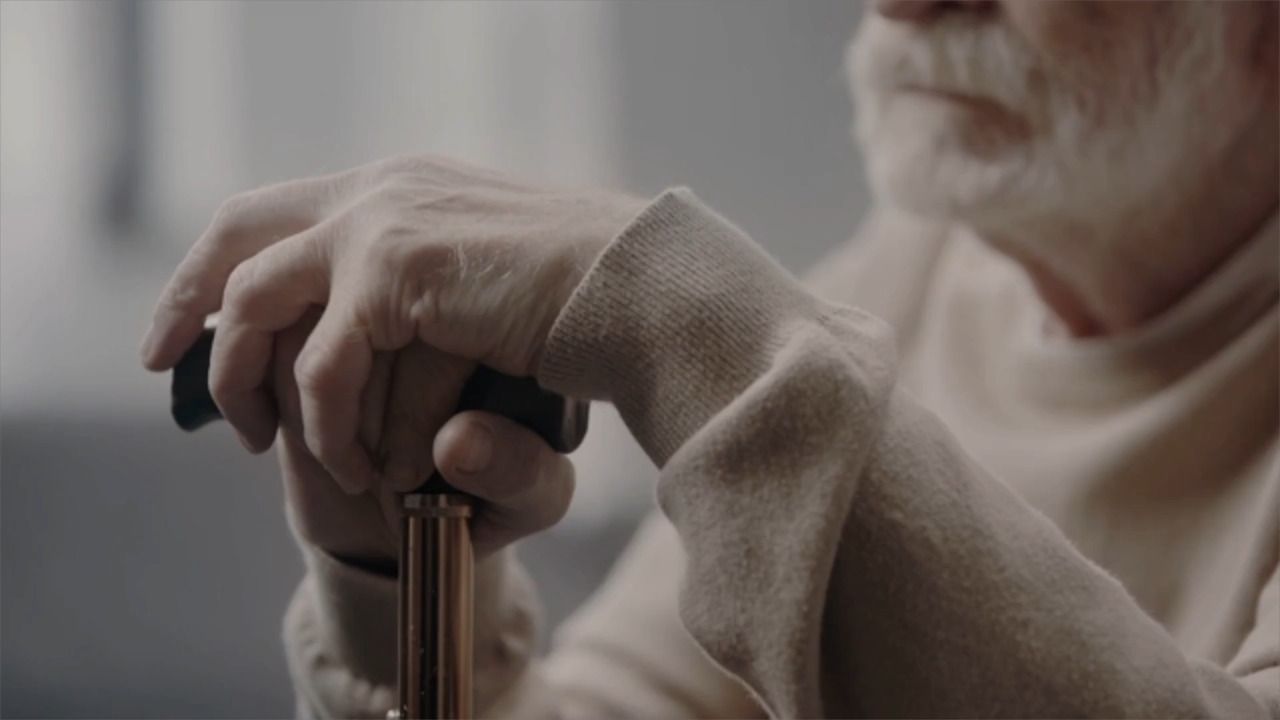
  • 7 ways to lower your dementia risk

  • Study examines possible cause of Alzheimer’s

  • Caring for someone with dementia: what you should know
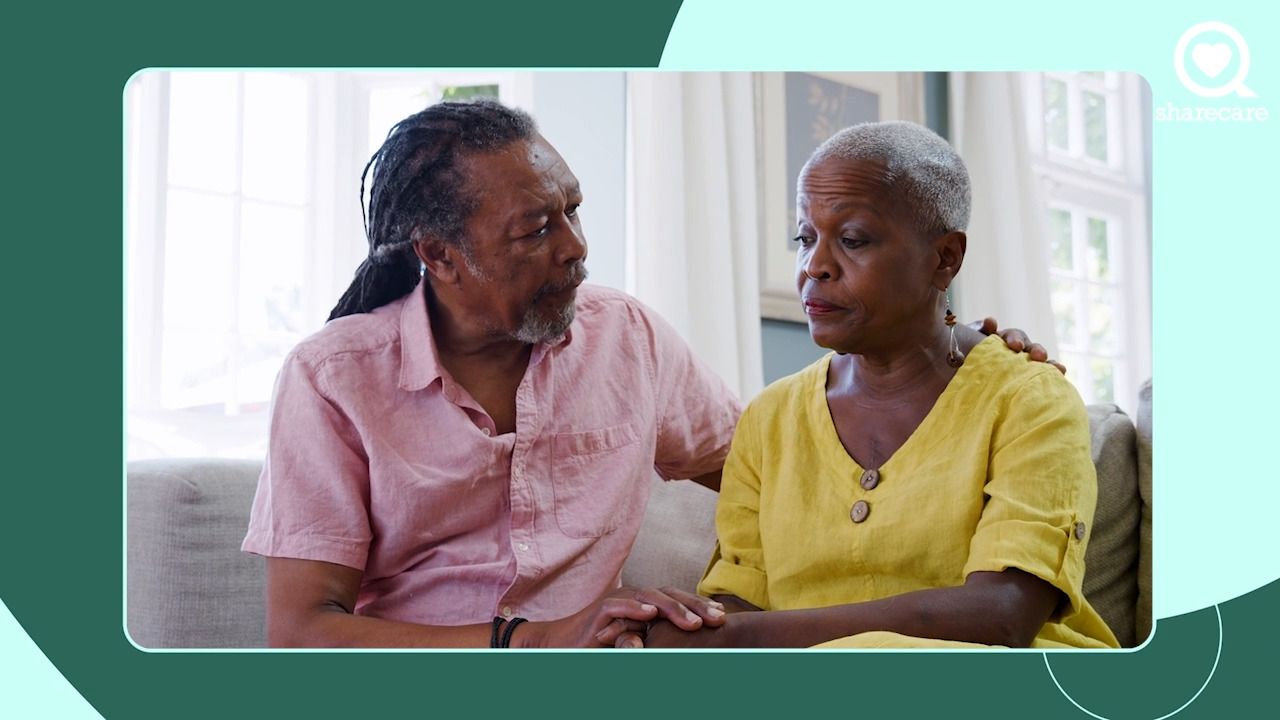
  • What do you know about dementia and Alzheimer's disease that you didn't know before?
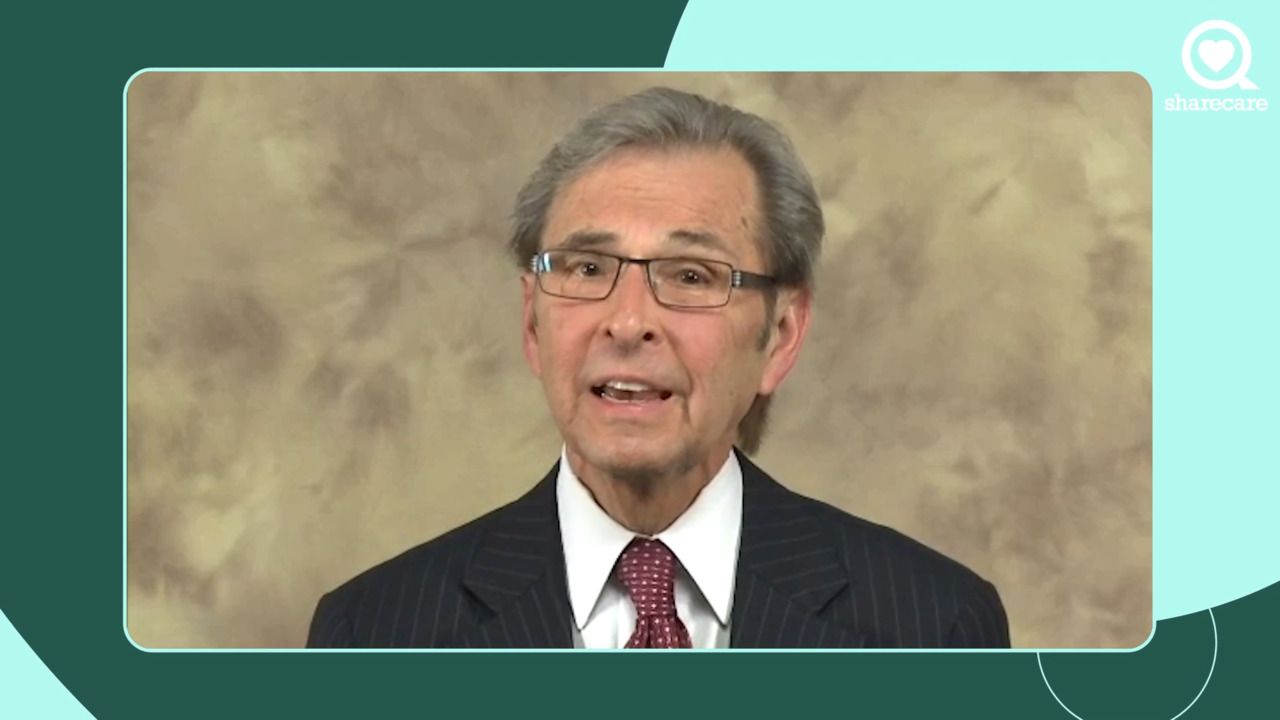
  • What are the risk factors for Alzheimer's disease?
  • How does normal aging affect memory?

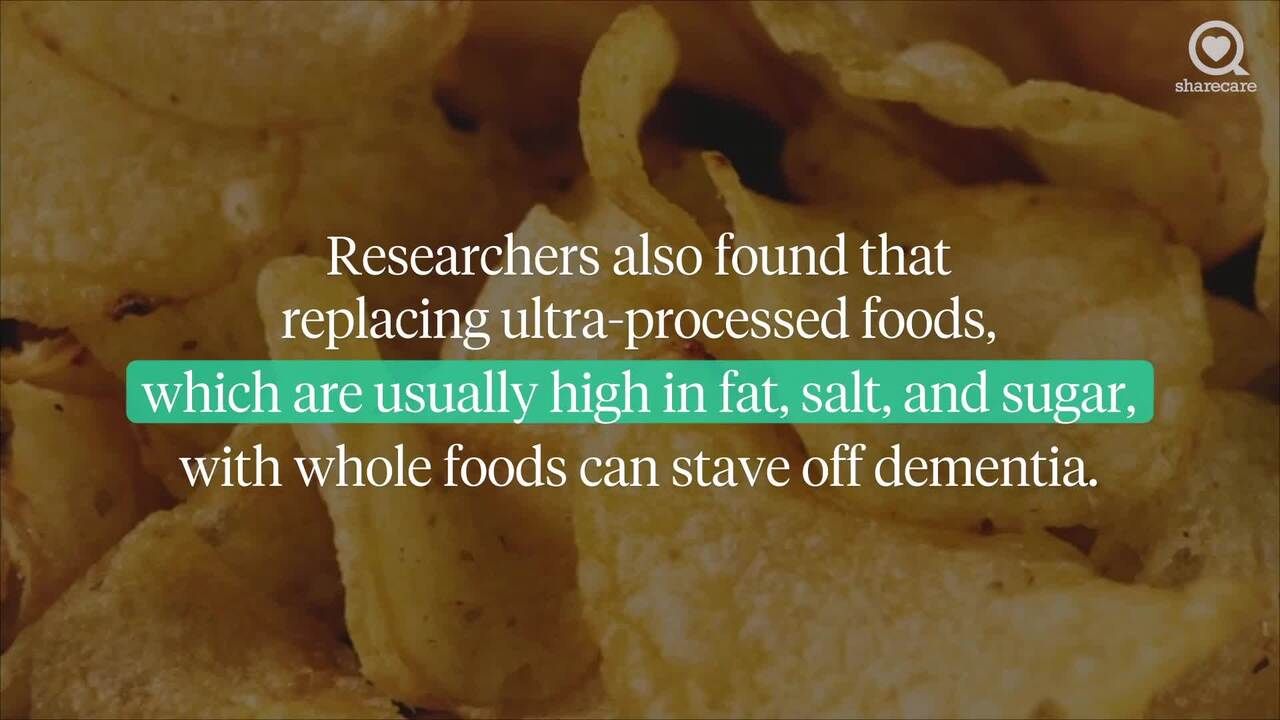
  • Reduce the risk of dementia with these foods and activities
  • How can I reduce my risk of Alzheimer's disease?

Up Next

  • Alzheimer's agitation explained

  • How is Alzheimer's disease different from memory loss due to aging?

  • 7 ways to lower your dementia risk

  • Study examines possible cause of Alzheimer’s

  • Caring for someone with dementia: what you should know

  • What do you know about dementia and Alzheimer's disease that you didn't know before?

  • What are the risk factors for Alzheimer's disease?

  • How does normal aging affect memory?

  • Reduce the risk of dementia with these foods and activities

  • How can I reduce my risk of Alzheimer's disease?

AskMDAskMD

Curious about Alzheimer's & dementia?

Get instant answers from our AI health assistant

Ask Now

Recommended for you

If you or a loved one has been diagnosed with Alzheimer's disease, there's a lot of information to absorb. Start with these key details.

Learn the basics of Alzheimer's disease
Article

Learn about the causes of Alzheimer's and get tips to help lower your risk.

What to know about Alzheimer's disease
Article

People younger than age 65 can develop Alzheimer's disease—and symptoms are often overlooked.

Can you spot the signs of early-onset Alzheimer's?
Article

Early on, mild cognitive impairment can be hard to identify—but it's worth looking out for symptoms.

The often overlooked first sign of Alzheimer's
Article

You can’t change your genes or roll back aging, but taking these steps may help reduce your risk of cognitive decline.

6 science-backed ways to lower your risk of Alzheimer's disease
Slideshow
AskMDHow can I be more consistent?
AskMD by Sharecare LogoAskMD by Sharecare Logo
Privacy policyConsumer health data privacyTerms of use
Cookie policyYour privacy choices

© 2026 Sharecare, Inc.

ask-mdask-md
AskMD by Sharecare LogoAskMD by Sharecare Logo
Privacy policyConsumer health data privacyTerms of use
Cookie policyYour privacy choices

© 2026 Sharecare, Inc.