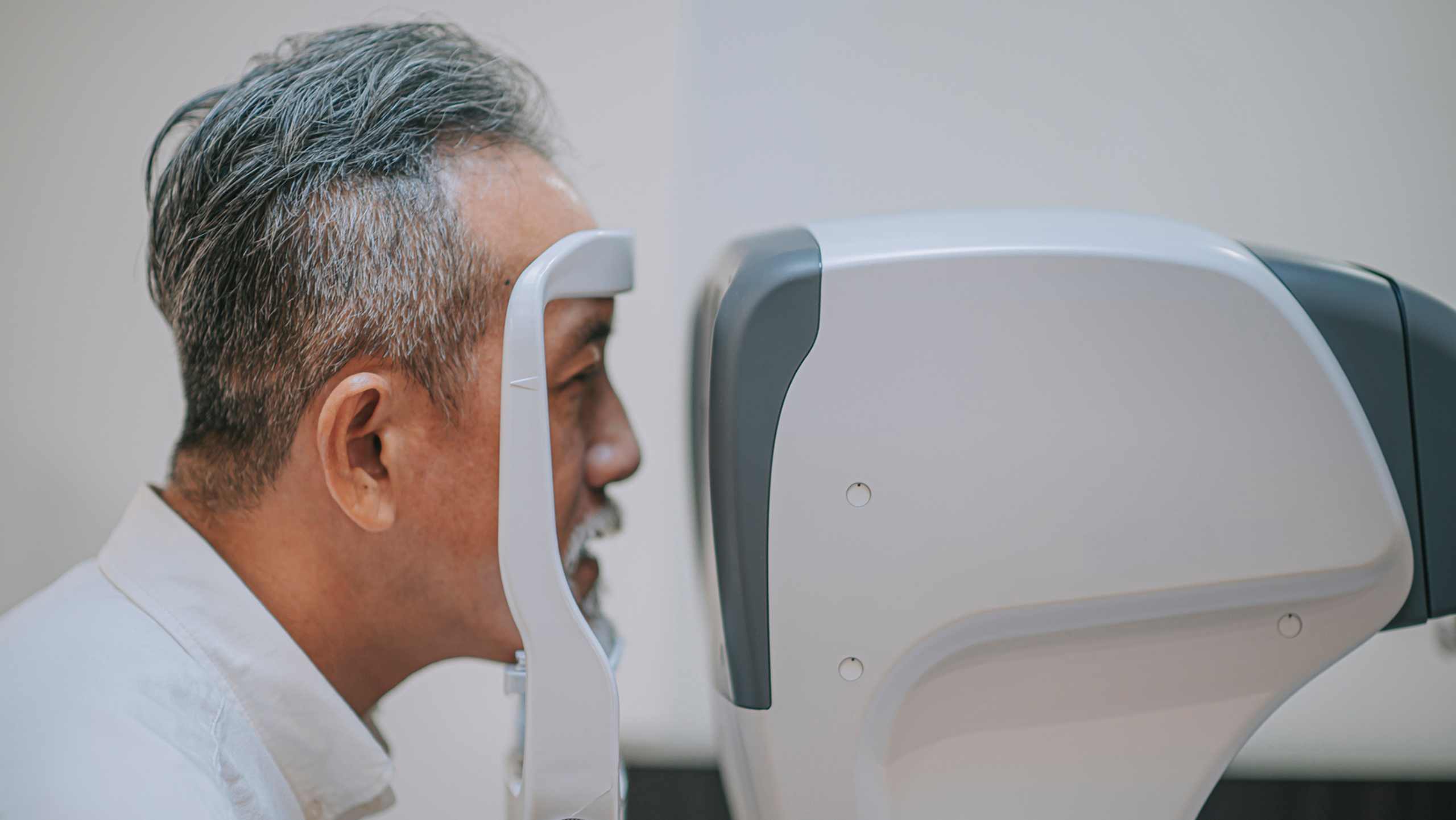
Macular edema is swelling and fluid accumulation in a part of the eye called the macula. The macula is a dense cluster of light-sensitive cells that enables central vision, the ability to see details and clearly see objects directly in front of the eye. Central vision is essential to many tasks—reading, driving, recognizing faces and objects, and any work that requires attention to detail. Macular edema impairs central vision.
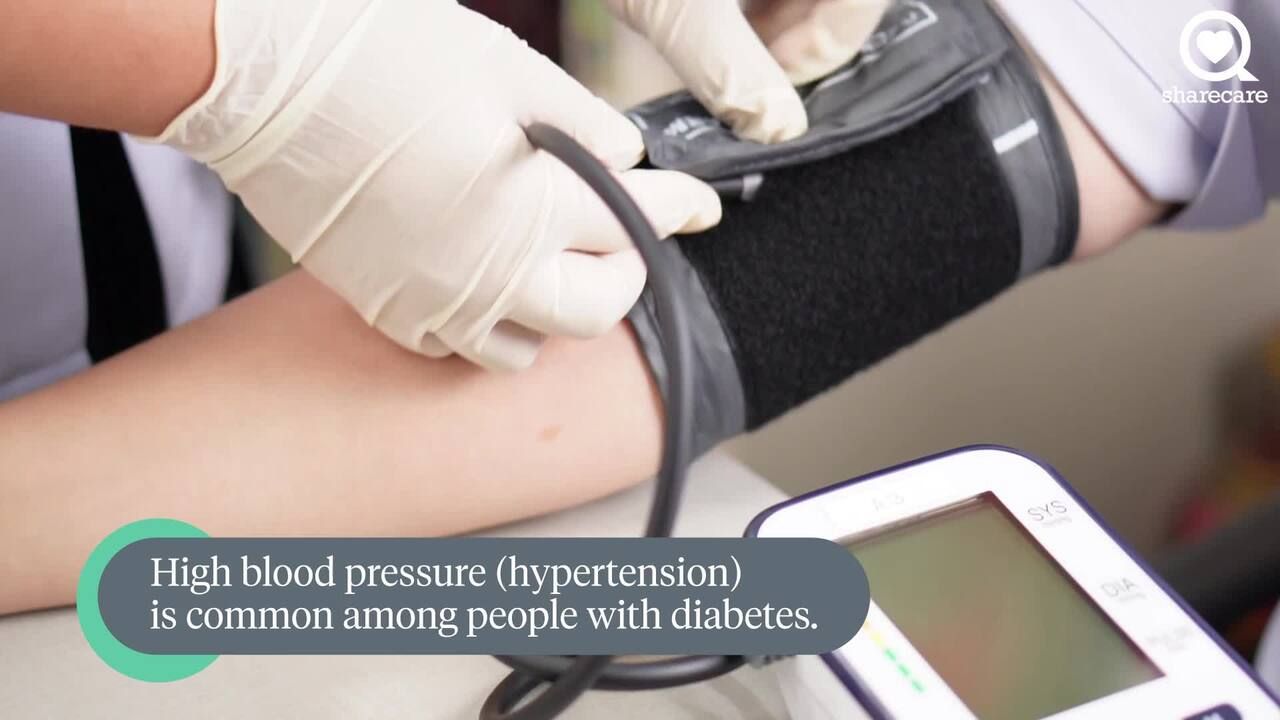
Diabetic macular edema (DME) is macular edema that is caused by having diabetes. It’s a complication of diabetic retinopathy, damage to the blood vessels of the eye caused by uncontrolled blood glucose levels.
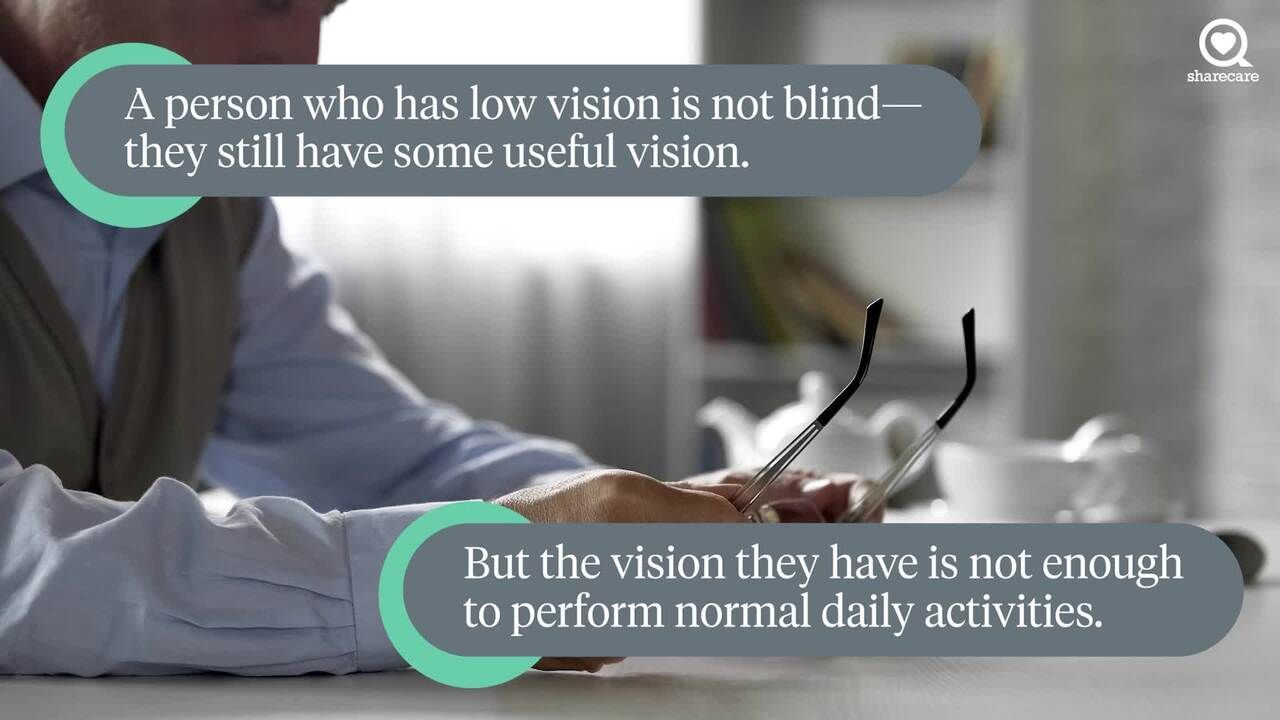
There is no cure for DME, but there are treatments that can slow the progression of DME—and in many cases, improve vision. Low vision specialists can also teach strategies to help a person make the most of their vision and stay as independent as possible.
For people living with DME or any form of diabetic eye disease, mental health should also be a focus of treatment.
Vision loss and mental health
Diabetes on its own can be a stressful and difficult condition to live with, and can contribute to depressed moods, anxiety, distress, and other negative emotions. It’s also well-established that vision loss negatively impacts mental health—according to the Centers for Disease Control and Prevention (CDC), vision loss is associated with feelings of fear, anxiety, and loneliness.
Additionally, diabetes, mental health, and vision loss can all have an impact on one another:
- Vision loss can make it more difficult to manage diabetes, affecting a person’s ability to read medication instructions, count carbohydrates, and exercise safely.
- Anxiety, stress, and low moods can also make it more difficult to manage diabetes.
- Poorly controlled diabetes can lead to more severe complications—including damage to nerves, kidneys, and the cardiovascular system, as well as worsening vision problems—which in turn can contribute to worse mental health.
Even if symptoms are mild, DME can be distressing, and it can lead to fear and anxiety about the condition progressing and becoming worse.
Pay attention to these signs and symptoms
When it comes to mental health, conditions like diabetes and DME affect different people in different ways. Changes in mental health may not be easy to recognize and may not be easy to describe to others, including healthcare providers.
Here are some questions you can ask yourself to check in with your moods, behaviors, and emotions:
- Have your sleep habits changed?
- Have your eating habits changed?
- How well are you following your diabetes management plan, including your eating and exercise habits?
- Are you skipping doses of medication?
- Do you feel burnt out by having to manage diabetes?
- How much time do you spend alone?
- Are you worried or anxious about the future?
- Do you regularly feel sad, angry, defeated, or fearful?
- Do you feel like a burden to others?
- How would you describe your quality of life?
Again, everyone is different, and this is not a comprehensive list of questions to assess your mental health. As with many aspects of diabetes management, a healthcare provider will be your best source of information—and you should talk to a healthcare provider if you have concerns about your mental health.
If you have noticed a change in your mental health, don’t worry about being able to describe your experience perfectly. Focus on starting the conversation with a healthcare provider. Counselors and other mental health professionals can help you find ways to cope with the emotional, psychological, and social challenges of living with diabetes and DME. These providers can be valuable additions to your healthcare team.
Sources: National Eye Institute. Macular Edema. + 11
- National Eye Institute. Macular Edema.
- Cleveland Clinic. Macula.
- New York Presbyterian. Health Library: Central Vision.
- Mayo Clinic. Diabetic Macular Edema.
- American Academy of Ophthalmology EyeWiki. Diabetic Macular Edema.
- Prevent Blindness. What is Diabetic Macular Edema (DME)?
- Centers for Disease Control and Prevention. Diabetes and Mental Health.
- Centers for Disease Control and Prevention. Vision Loss and Mental Health.
- Nazanin M. Heydarian, Brittany Brown-Podgorski, and Jahanett Ramirez. Visual Impairment and Self-Efficacy in Diabetes Management. The Science of Diabetes Self-Management and Care, 2021. Vol. 47, No. 5.
- MedlinePlus. Long-term complications of diabetes.
- Harvard Health Publishing. Are you missing these signs of anxiety or depression? February 15, 2021.
- Prevent Blindness. Diabetes + Your Eyes.