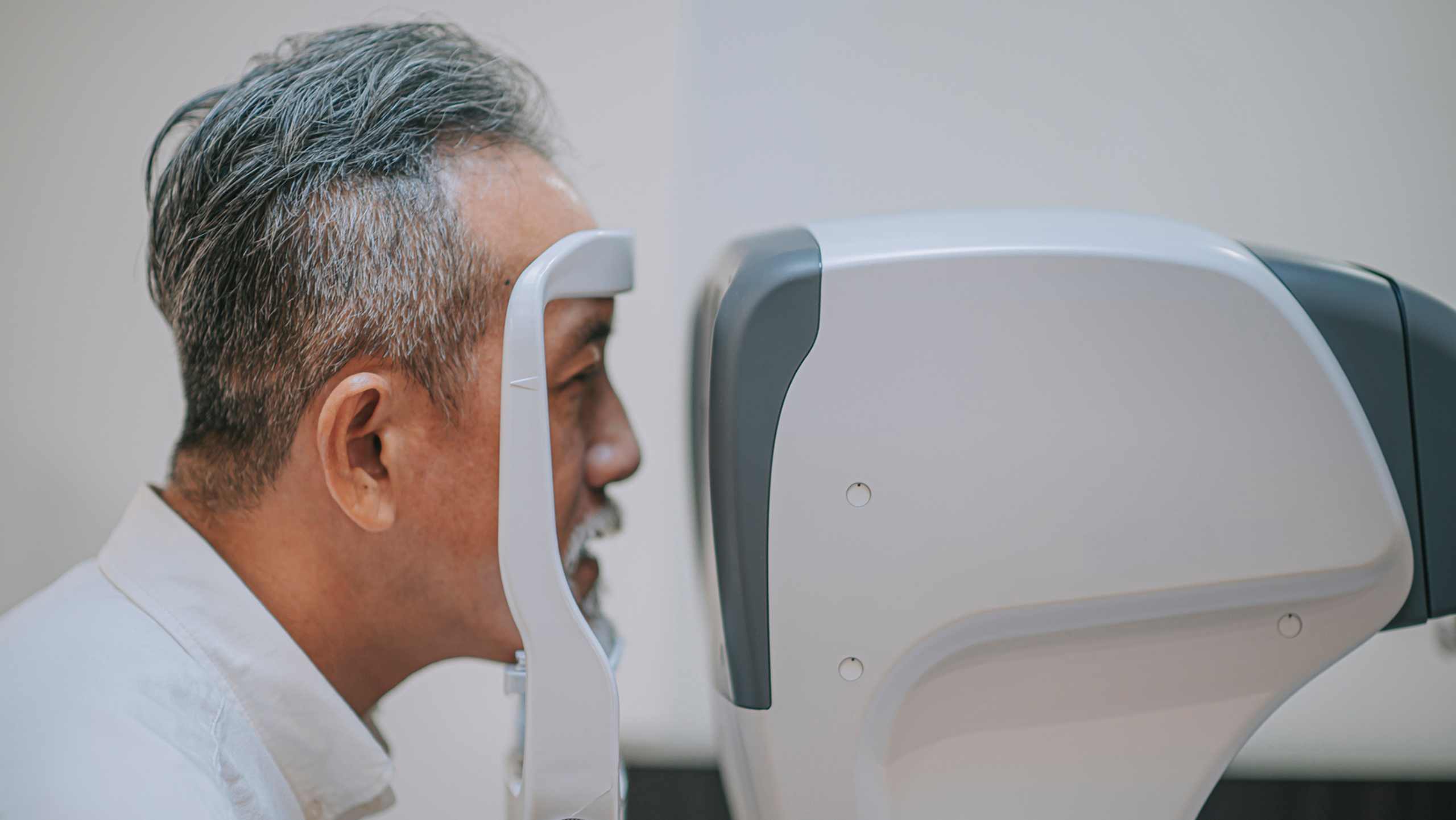
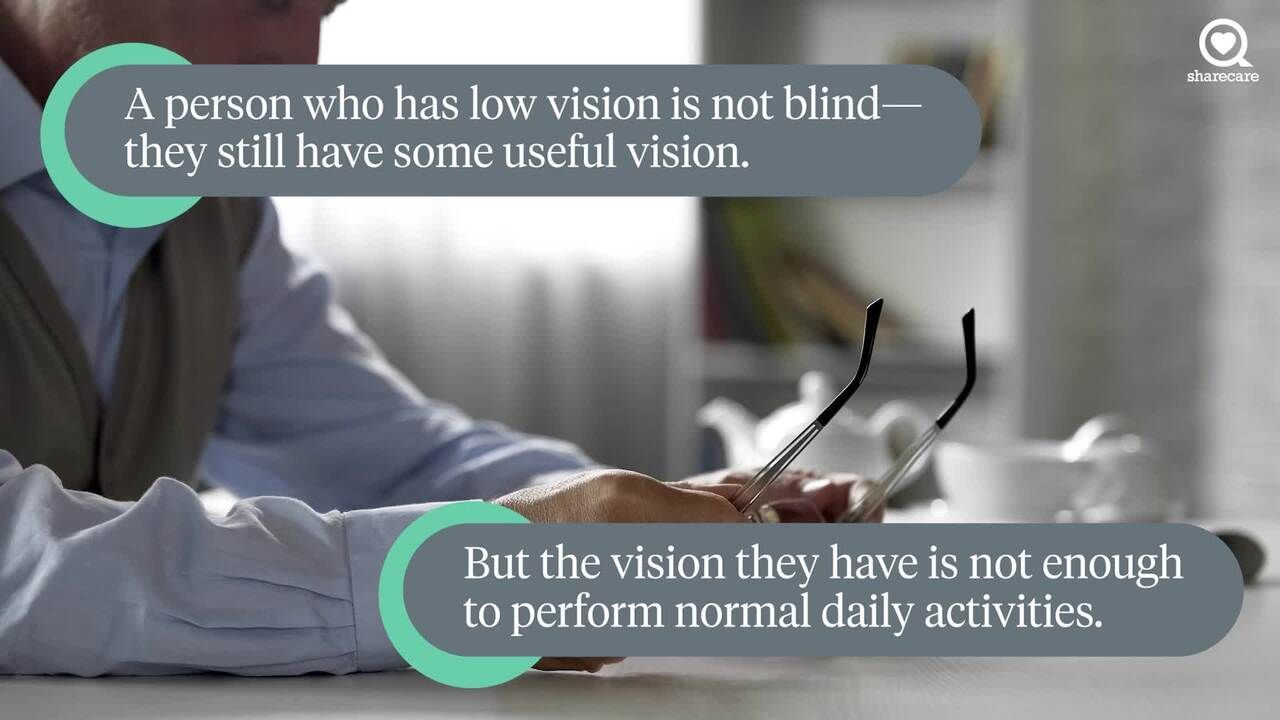
Diabetic macular edema (DME) is a condition that develops as a complication of diabetic retinopathy—which itself arises from the damage that higher-than-normal blood sugars cause to the blood vessels in the eyeball. DME causes fluid to accumulate in the macula, the part of the eye responsible for providing detailed and clear central vision. This accumulation of fluid causes blurry and distorted vision. It can make it difficult to read, recognize faces, and perform any task that requires sharp central vision.
How has DME impacted your life?
The impact of vision loss caused by diabetes often extends to many different areas of a person’s life. A person may experience anxiety, depression, and emotional distress. They may find their quality of life has changed, as they are unable to engage in activities they once enjoyed or maintain their previous level of independence from others. They may feel anger and guilt over past decisions about their health and diabetes management. They may feel uncertainty about the future.
What strategies will work for you?
Having a good support system can make an important difference when living with DME. While the type of support you need will be somewhat unique to you, here are some ideas that can help you get started:
- Patient education. Remember that you are an important part of your healthcare team. To manage any condition, you need to understand the condition. Learn about what contributes to DME, the available treatment options, and the steps you can take to actively manage the condition and prevent further complications.
- Build your support network. Support comes in many forms. It might mean having people to hold you accountable to making changes to how you manage diabetes. It might be someone to talk to when you are having a rough day. It might mean asking for help with something like transportation. Talk to your loved ones and friends about what you are experiencing and what you need.
- Learn what resources are available. Find out what resources are available in your community for people who are experiencing vision loss. Your healthcare team may be able to offer suggestions. You can also ask a friend or loved one to help you find and contact community resources.
- Participate in a support group. It can be helpful to connect with others who are going through similar experiences, as they can provide empathy, advice, and understanding.
- Counseling. Consult with a mental health professional. This may be a psychologist, psychiatrist, or social worker. Counseling can offer a space to discuss and work through difficult emotions. It can also help you learn coping mechanisms and find strategies for managing negative emotions.
Also pay attention to the ways you can support your mental and emotional health. Vision loss can limit normal activities, including hobbies. It’s important to find ways to relax, reduce stress, and enjoy your free time. You might also want to try stress-reducing activities like yoga, breathing exercises, or meditation.
Work with your healthcare team
While DME is a different experience for every person, every person with DME needs to work with healthcare providers who understand how to treat the condition.
There are treatments that can help slow the progression of DME and prevent further complications. There are also adjustments that can help a person cope with the impact of DME in their day-to-day life. Because DME is a complication of diabetes, improving diabetes control is an essential part of every treatment plan.
Sources: MedlinePlus. Diabetic Eye Problems. + 14
- MedlinePlus. Diabetic Eye Problems.
- Prevent Blindness. Diabetic Macular Edema (DME).
- National Eye Institute. Macular Edema.
- Centers for Disease Control and Prevention. Vision Loss and Mental Health.
- Blake A. Cooper and Ravi S.J. Singh. Emotional Support of People with Diabetes-Related Retinopathy. Prevention and Management of Diabetes-Related Eye Disease. May 2019.
- Centers for Disease Control and Prevention. Education and Support.
- BrightFocus Foundation. Confronting the Emotions of Vision Loss.
- Centers for Disease Control and Prevention. Vision Loss and Mental Health.
- Prevent Blindness America. Tips for Living with Low Vision.
- National Eye Institute. Vision Rehabilitation Resources.
- Prevent Blindness. What Is Low Vision Rehabilitation?
- Docia L. Demmin and Steven M. Silverstein. Visual Impairment and Mental Health: Unmet Needs and Treatment Options. Clinical Ophthalmology, 2020. Vol. 14.
- Bernhard A. Sabel, Jiaqi Wang, et al. Mental stress as consequence and cause of vision loss: the dawn of psychosomatic ophthalmology for preventive and personalized medicine. EPMA Journal, 2018. Vol. 9, No. 2.
- Niki Elyasi and and Houman David Hemmati. Diabetic Macular Edema: Diagnosis and Management. American Academy of Ophthalmology. May 2021.
- Mayo Clinic. Diabetic retinopathy.