

Caring for your eyes is key to prevent vision loss as you age. If you do nothing else, do this: Put these four fundamental steps into your eye care plan.
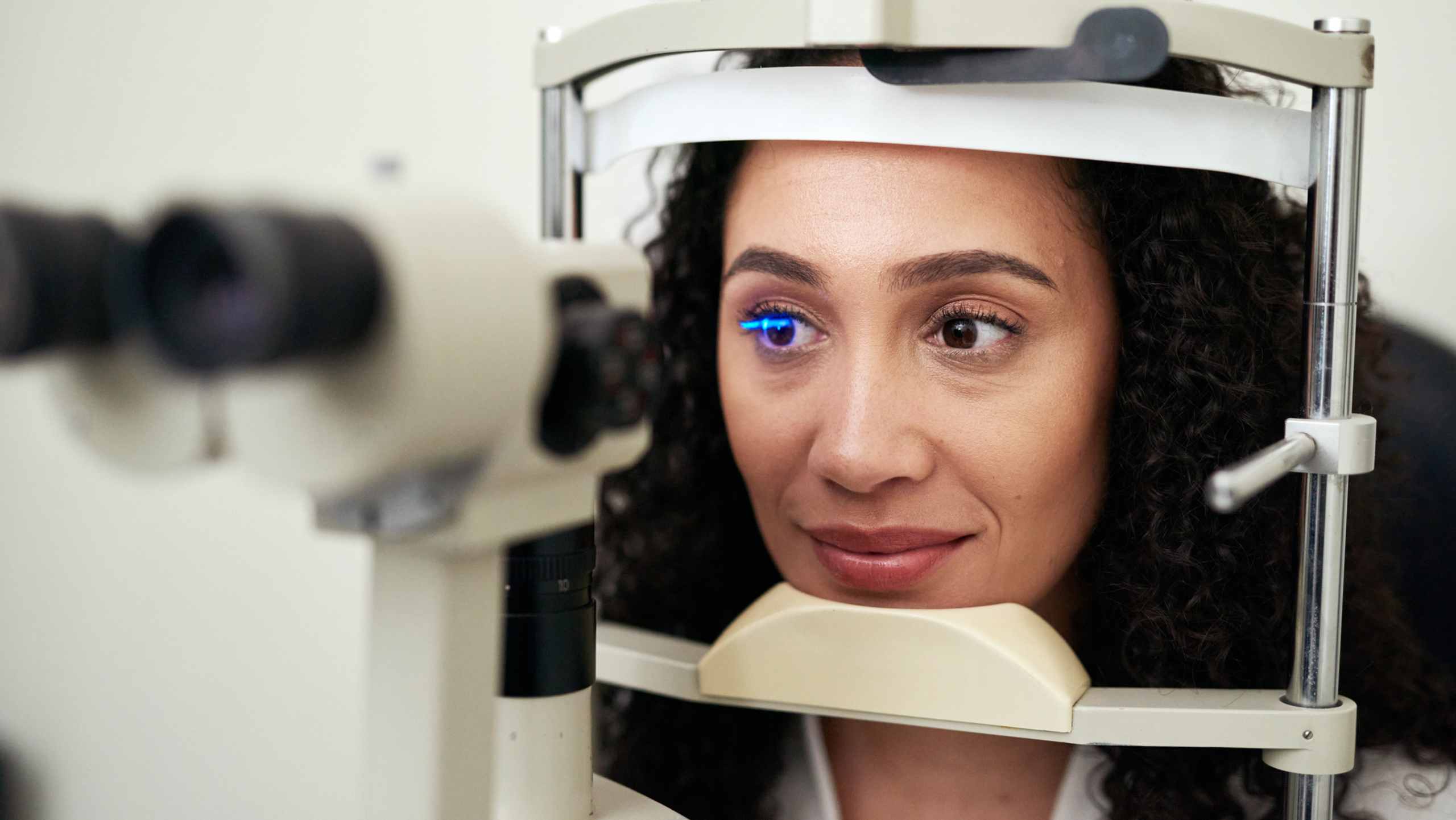
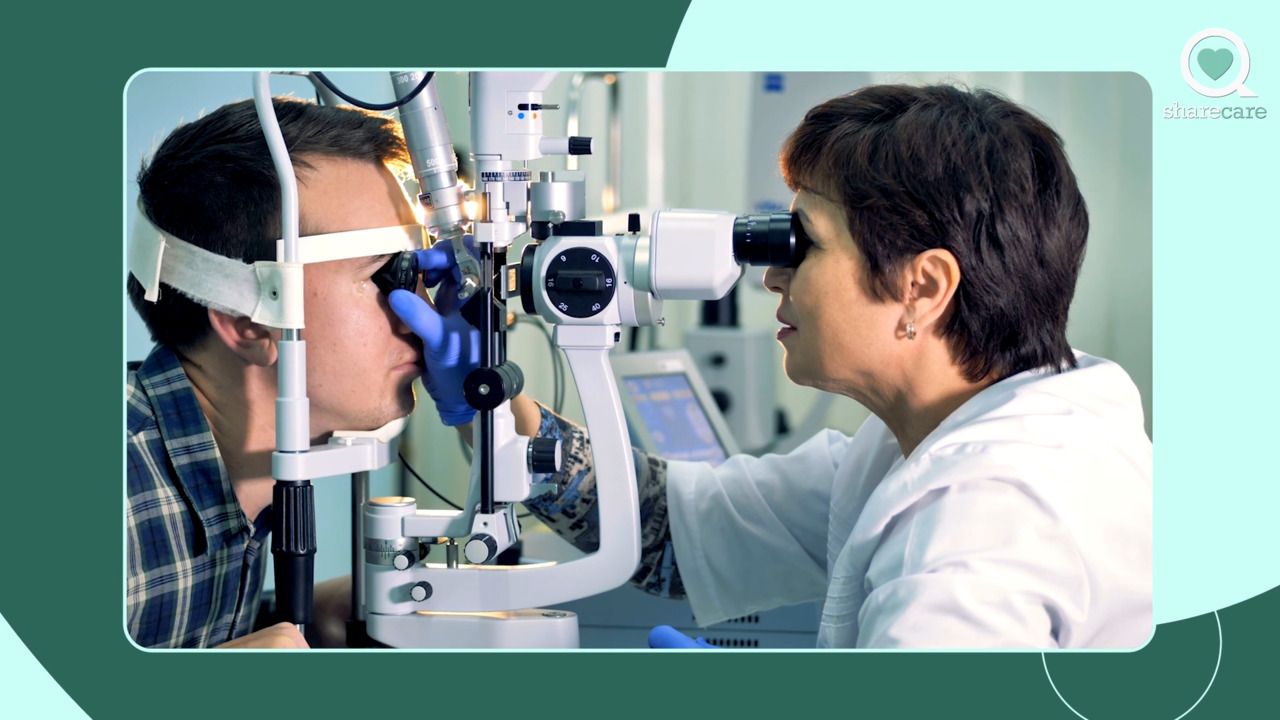
See your eye doctor regularly
Research from the Centers for Disease Control shows nearly 40 percent of adults ages 40 and older with moderate-to-severe vision problems don't seek eye care because of high costs or a lack of medical coverage. Another 35 percent skip eye care because they feel they don't need it. But serious eye diseases, like glaucoma, diabetic eye disease, and macular degeneration often have no warning signs. That's where an eye exam can help you spot trouble early, potentially saving your vision or catching an underlying health problem.
Always protect your eyes
Whether you're shopping outdoors or hiking your favorite trail, it's smart to wear shades and guard your eyes from the sun's rays. No matter the time of day—or season—UV rays can cause eye damage and may lead to macular degeneration.
Wraparound sunglasses provide the best protection, and you don't have to break the bank on a good pair. Just be sure they block out 99 to 100 percent of UVA and UVB radiation. Protective eyewear, like safety glasses and goggles, is also a wise investment—especially if you play sports, do yard work or work on other home projects.
Computer and phone screens also take a toll on your vision. To reduce digital eyestrain, use the 20-20-20 rule: Every 20 minutes, focus on an object 20 feet away for 20 seconds.
Take stock of your total health
Do you eat a healthy diet and exercise regularly? Are you managing your weight? Your overall health has an impact on your vision. Says Michael Roizen, MD, "People who walk at least three times a week are less likely to develop advanced macular degeneration."
If you smoke—quit. Smoking is as bad for your eyes as it is for the rest of your body, increasing your risk of macular degeneration, cataracts, optic nerve damage, and blindness.
Fuel your body with a variety of good foods, too—especially fruits and veggies. Oranges, apricots, carrots, spinach, and kale have nutrients that help prevent eye disease. Plus, eating more omega-3 fats—like the ones found in fish—gives you a greater chance of keeping your vision healthy and strong, Roizen says.
Don't ignore your symptoms
Some eye symptoms are more frustrating than they are serious. Itchy, red eyes might mean you have pink eye or dry eye syndrome. Or your eyes might feel tired. But other eye symptoms, like blurred vision that lasts more than a few days, can signal serious or permanent eye problems. Whatever your symptoms, don't ignore them. Schedule a visit with your eye doctor to find out what's causing them.