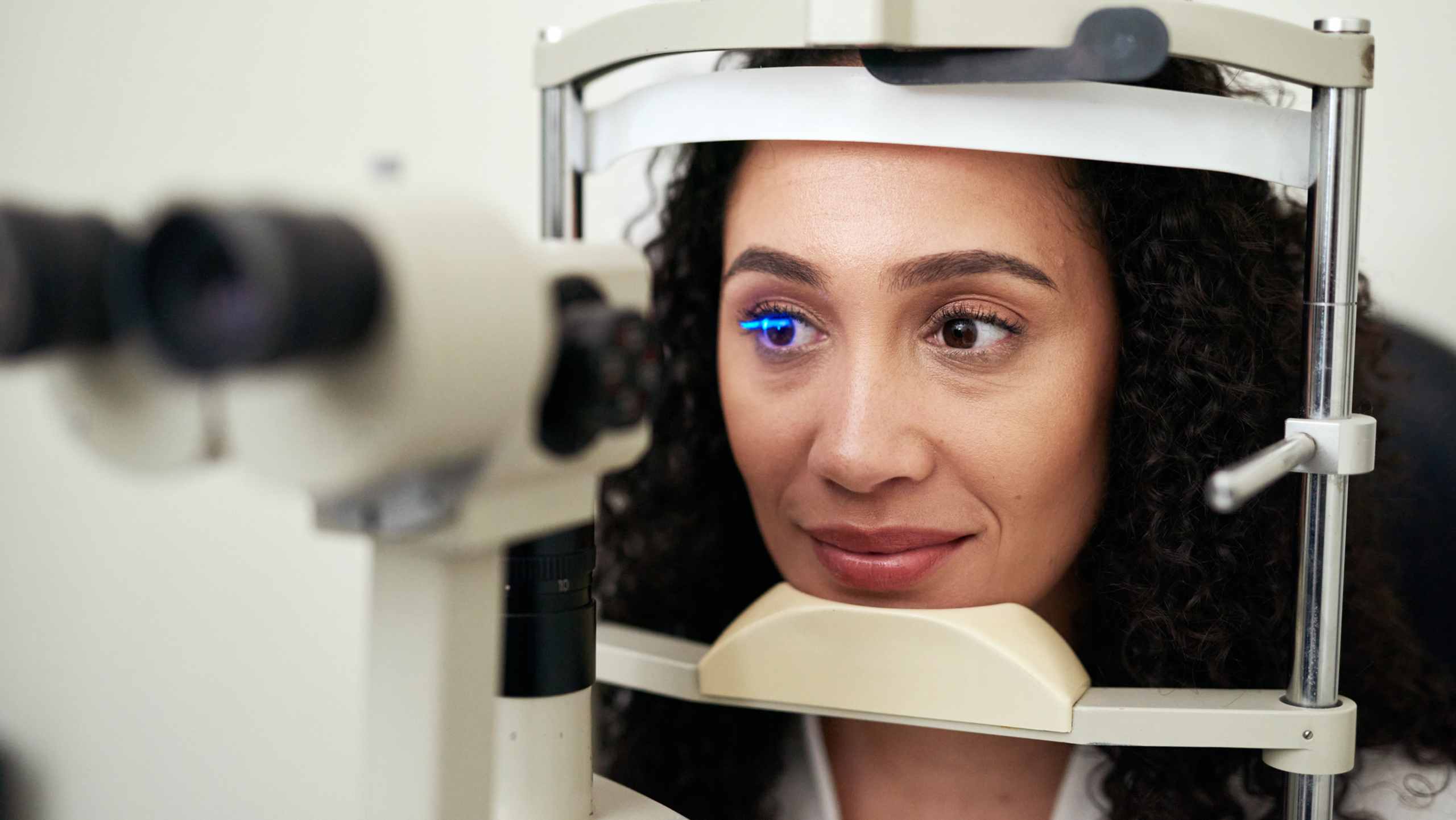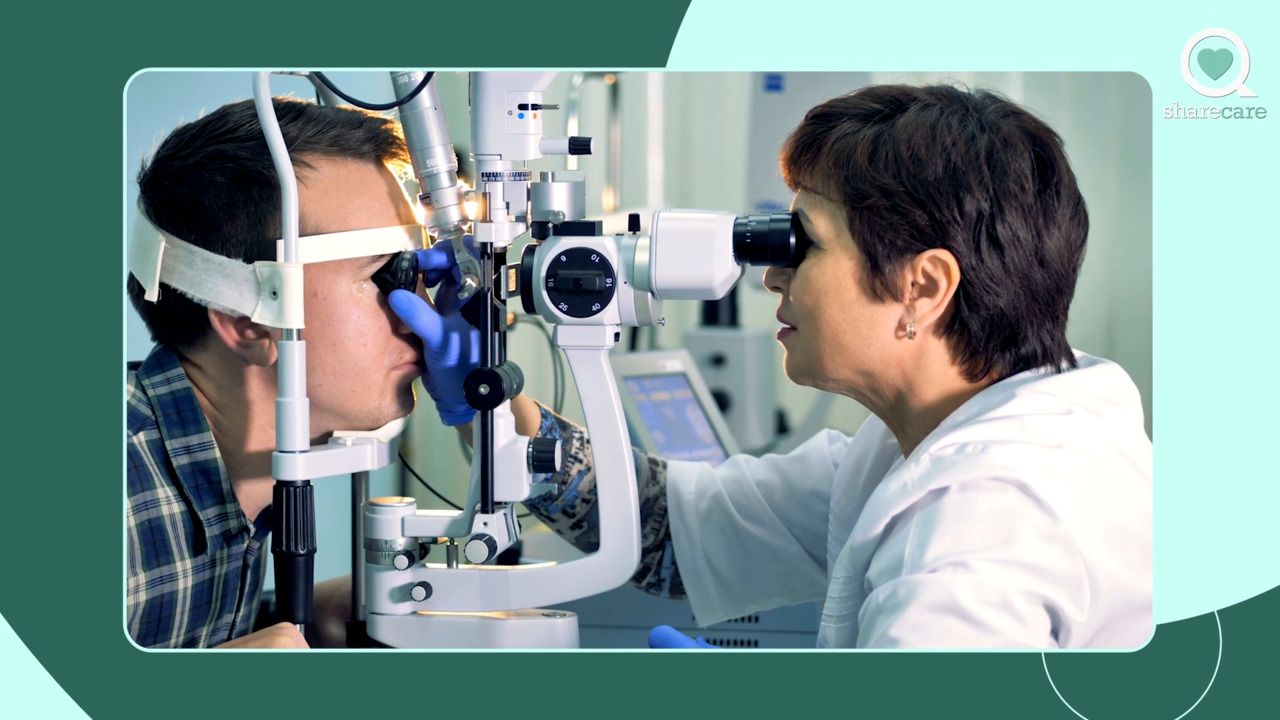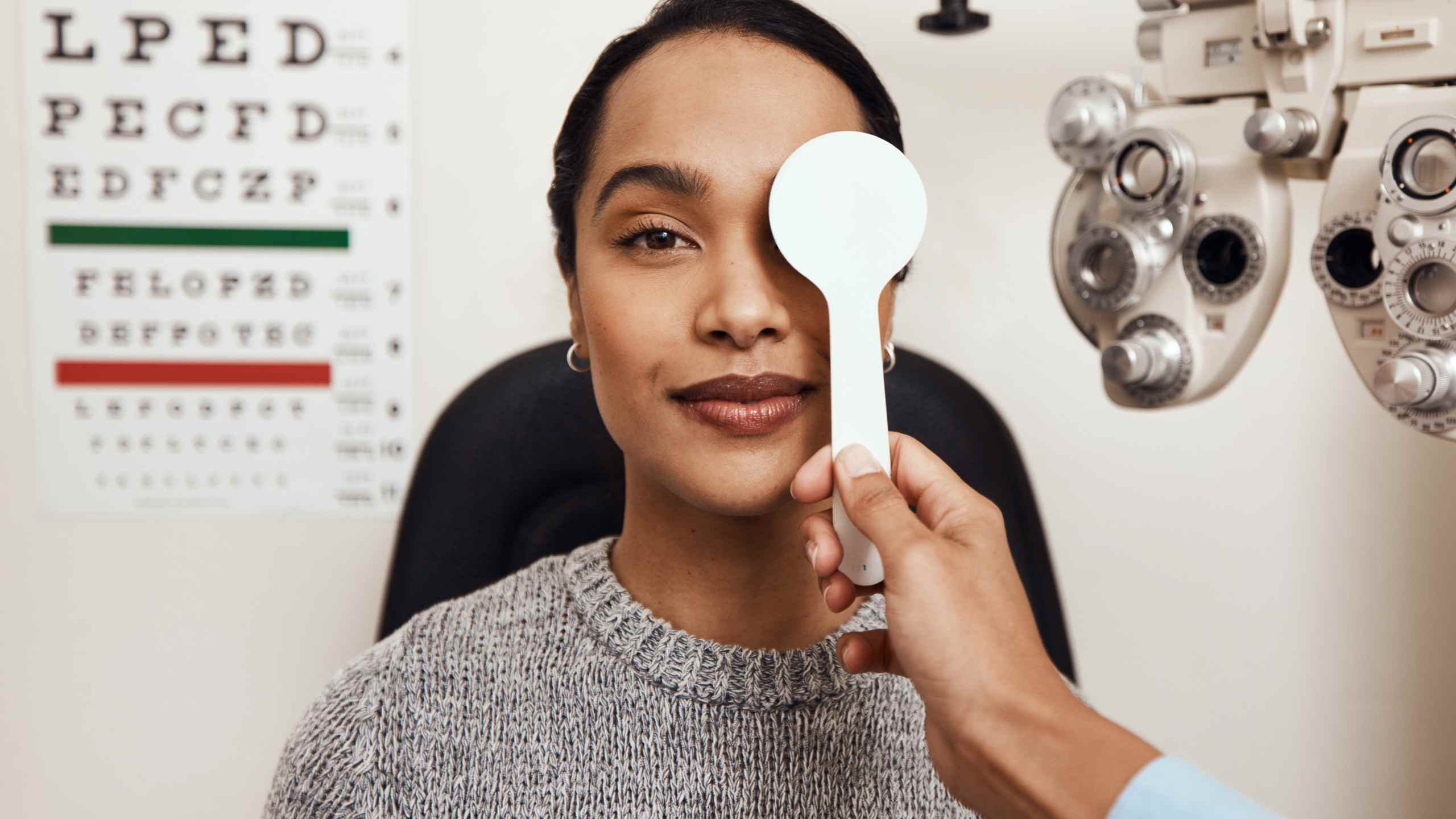
At certain points in your life, it's important to have your eyes examined by an eye care professional—even if your eyes feel fine and there doesn't seem to be a cause for concern. Some eye diseases are virtually symptomless until you start to lose vision. So regular vision screening can help you address problems before they become major issues.
Age recommendations for vision screening
Here's what the American Academy of Ophthalmology (AAO) recommends for each stage of life.
Baby and toddler time
Newborns should have their eyes checked shortly after birth and examined by a pediatrician during regular well-child visits. It's easy for eye problems to go undetected in very young children, so always alert a healthcare provider (HCP) if you notice abnormalities such as droopy eyelids, crossed eyes, a lazy eye, or changes in color.
Childhood and teenage years
Children should have their vision checked once they’re able to complete the exam, which typically occurs between 3 1/2 and 4 years of age, according to the AAO. Starting at age 5, they should have their eyes checked by an HCP at least once every 2 years during regular well-child visits.
Adults between ages 20 and 39
If you can see well and your eyes are healthy, aim to get at least one complete eye exam every 5 to 10 years between the ages of 20 and 39. If you wear contact lenses or glasses or have diabetes, talk to an HCP about how often to go for an exam. For problems like an eye infection or injury, reach out to an ophthalmologist right away.
Adults between ages 40 and 64
All adults should get a baseline screening for eye disease by age 40, regardless of whether any symptoms or risk factors for eye problems are present. The AAO chose this age because it represents the time when age-related changes in vision and the earliest signs of eye diseases can be detected—important because catching and treating problems like glaucoma, cataracts, and diabetic retinopathy early can help minimize vision loss. And because the eyes can be a window into overall health, a thorough eye exam may also unearth other problems that can arise at this age, such as diabetes and high blood pressure. How often you get follow-up screenings will depend on your test results, medical conditions, and other factors, such as your eye-health history.
Adults age 65 and older
Older adults should have their eyes examined every 1 to 2 years to screen for vision problems associated with aging, including cataracts, glaucoma, diabetic retinopathy, and age-related macular degeneration. Regardless of when your next scheduled appointment is, always promptly see your eye health provider if you experience any eye pain or changes in your vision, see spots or flashes of light, or suffer from chronically dry or irritated eyes.
What works for you?
Screening intervals won't apply to everyone. If you've had any eye problems in the past, your provider will probably want to check you more frequently. And certain risk factors for eye disease—such as high blood pressure, diabetes, or a family history of eye problems—typically mean more frequent screening as well. So work with your eye care professional to determine the screening schedule that's right for you.
And if you wear glasses or contacts, you'll need your vision tested at regular intervals, too.
Sources: American Academy of Ophthalmology. Eye S... + 5
- American Academy of Ophthalmology. Eye Screening for Children. July 10, 2024.
- American Family Physician. Childhood Eye Examination in Primary Care. 2023.
- American Academy of Ophthalmology. Vision Screening for Infants and Children – 2022. October 2022.
- American Academy of Ophthalmology. Eye Exam and Vision Testing Basics. February 14, 2024.
- American Academy of Ophthalmology. Get an Eye Disease Screening by Age 40. April 30, 2026.
- American Academy of Ophthalmology. Eye Health Information for Adults Over 65. July 17, 2025.