

For people in the United States ages 65 and older, a fall can be life-threatening—and the danger is growing. The rate of fatal falls in this age group is on the rise, according to the Centers for Disease Control and Prevention (CDC).
Falls are the top cause of injuries and death from injury among older adults. In fact, more than 1 in 4 older people in the U.S. fall each year, and there are more than 30,000 deaths related to falls annually.
Even falls that don’t cause pain can be dangerous for older adults, says Kevin Wang, MD, an orthopedic surgeon in Fort Lauderdale, Florida. "Most patients we see after a fall sustain hip fractures," he says. Falls can also lead to other injuries, such as a head injuries or broken bones.
Recovery poses its own dangers. When an older adult fractures their hip in a fall, being immobilized or bedridden over time can lead to heart and lung complications, blood clots, and pressure ulcers (bedsores), Dr. Wang explains.
Older adults are at unique risk for serious—even deadly—complications following a fall. That’s because several healthcare challenges specific to older adults come into play, including the following.
- They may have poorer access to health care.
- Older adults are likely to have more than one—often several—chronic health conditions.
- Health conditions, such as heart disease, diabetes, or vision impairment, make it easier for an older adult to fall.
- Some older adults have trouble thinking and making decisions due to dementia. These cognitive problems are a risk factor for falling.
Steps for fall prevention
The good news: Falls are preventable. Here’s how.
Fall-proof the home
About 6 in 10 falls happen at home. You can make tremendous safety improvements by de-cluttering the space—especially the floor, suggests Wang.
Here are more ways to prevent falls in the home:
- Take throw rugs off the floor. If there are carpets, make sure they are tightly secured to the ground. For tile and wood floors, buy no-slip strips to apply to the floor to prevent slips.
- Make sure the house is well lit—especially be sure there’s good lighting in potentially dangerous areas like the top of stairs. Beware of electrical or phone cords that might lie in walking paths.
- Install grab bars, railings, and ramps. Consider adding grab bars to the toilet area, as well as the inside and outside the bathtub or shower area.
- In the bathroom area especially, make sure there are non-skid mats in areas that could get wet and slippery like near the bathtub.
- Invest in proper footwear; pick sturdy, well-fitted shoes that have non-slip soles.
- Use night lights to ensure safe walking around the house after hours.
- Keep regularly used items within easy reach.
- Always know the location of pets when walking.
- Regularly ask any older adults if they feel safe.
Another safety strategy: Make sure there’s a telephone by the bed, along with an emergency contact sheet listing important phone numbers in large, reader-friendly type. If an emergency occurs, help is within easy reach.
Check vision and hearing, plus update medications
Have vision and hearing checked annually. Make sure hearing aids work and fit well.
A healthcare provider (HCP) should regularly review and update medications, as some drugs or combinations can cause dizziness and falls, notes Wang. A doctor, pharmacist, or other HCP can also discuss how to take medicines safely.
Maintain a healthy lifestyle
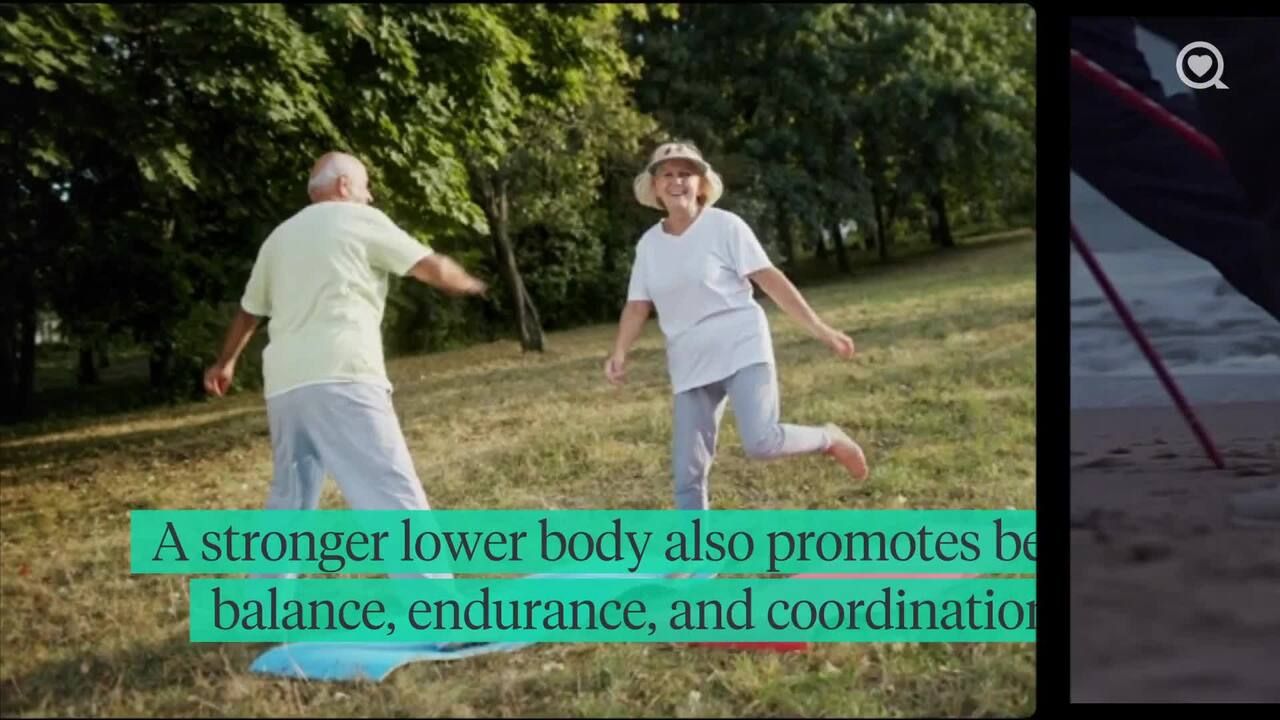
Keeping strong and fit is the best possible way to prevent deadly falls, Wang says.
“I can’t say often enough that most falls are preventable. Everyone should start early in their adult life to maintain good health. This includes living a healthy lifestyle, eating a healthy diet, getting regular exercise, maintaining bone health, and having regular medical checkups,” says Wang.
Speak with an HCP about ways to work towards preventing falls, such as strength training for the gluteal muscles (muscles in the buttocks). Keeping glutes strong is essential in staying upright and mobile.
“Growing old is not a curse—but not taking care of yourself can be,” adds Wang.
How to get up from a fall
Sometimes, older people have trouble getting up after a fall. Here’s how to do so properly:
- Take a few deep breaths to calm down and check for injury. Getting up could make the injuries worse.
- Roll on to one side and rest again to lower blood pressure. Then, slowly get up on hands and knees and crawl to a sturdy chair.
- At the chair, place hands on the seat and slide one foot forward so it’s flat on the floor. Make sure the other leg is bent so the knee is touching the floor. From this position, slowly rise up and gently turn to sit in the chair.
What to do after a fall
If you or a loved one hit your head during a fall, lose consciousness even for a few seconds, or show any sign of confusion, seek immediate medical attention or call 911, even if there’s no sign of obvious injury.
After any fall, even one that seems minor, make an appointment with an HCP. The fall could be related to a health problem, and an HCP can evaluate to find the cause and prevent future falls.
Then, take precautionary measures. Fall-proof the home and invest in good footwear. Ask an HCP whether using an assistive device like a cane or walker could aid mobility; make sure the HCP demonstrates how to use it properly. Perhaps most importantly, learn what to do after a fall—how to get up and who to call for help.
Sources: National Council on Aging. Get the Facts... + 9
- National Council on Aging. Get the Facts on Falls Prevention. May 30, 2025.
- Centers for Disease Control and Prevention. Older Adult Fall Prevention: Facts About Falls. January 27, 2026.
- Centers for Disease Control and Prevention. Older Adult Falls Data. February 26, 2026.
- National Safety Council. Top 10 Preventable Injuries. 2024.
- MedlinePlus. Pressure Sores. December 18, 2024.
- National Institute on Aging. Preventing Falls at Home, Room by Room. September 12, 2022.
- National Institute on Aging. Falls and Fractures in Older Adults: Causes and Prevention. Updated 2023. September 12, 2022.
- Inacio M, Ryan AS, et al. Gluteal muscle composition differentiates fallers from non-fallers in community dwelling older adults. BMC Geriatr. 2014 Mar 25;14:37.
- Harvard Health Publishing. Don’t Be the Fall Guy. December 1, 2022.
- Health in Aging Foundation. Tips for Preventing Serious Falls. July 2012.