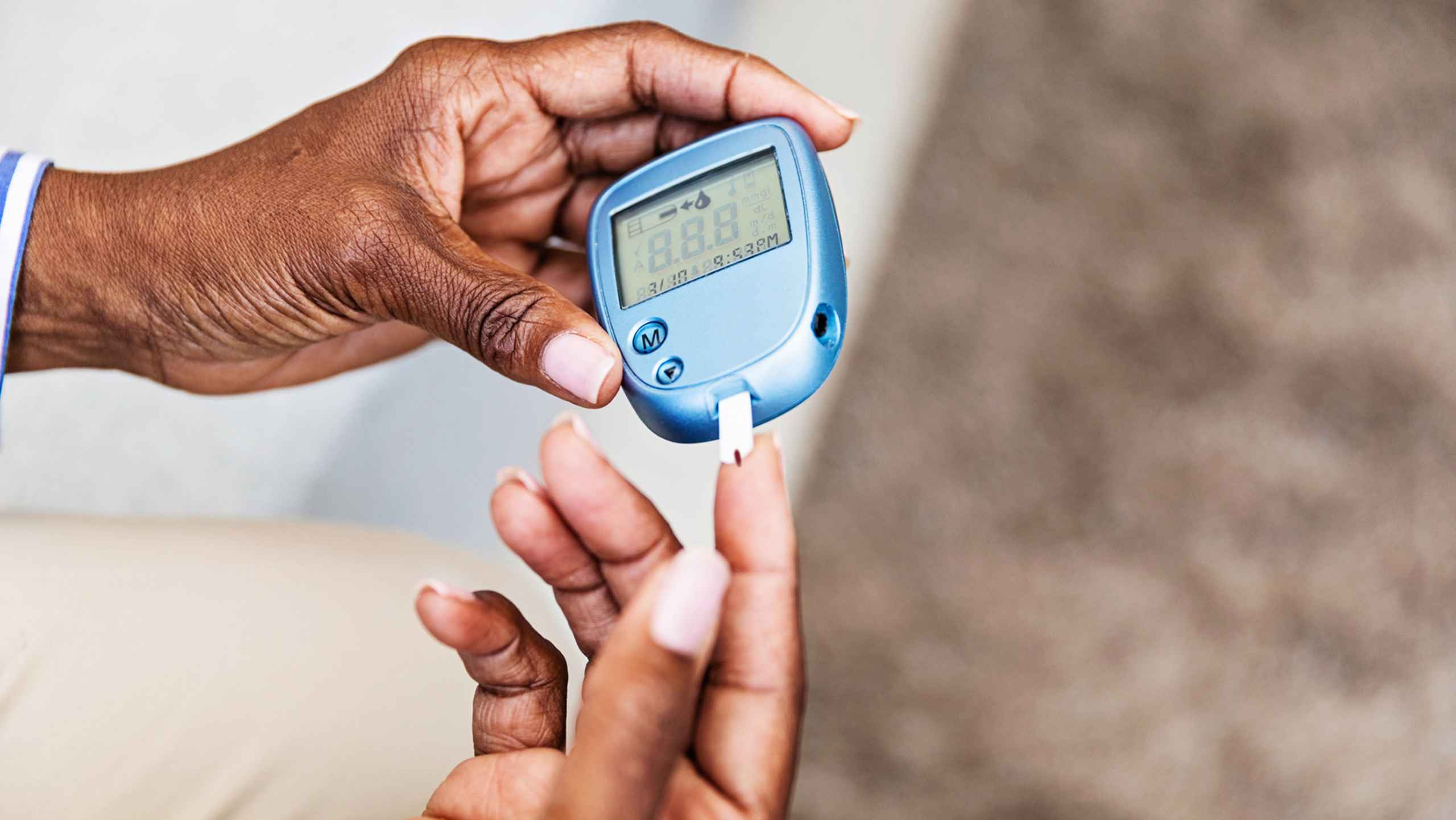

4 things to know about diabetic heart disease


LearnHeartTaking control of type 2 diabetes4 things to know about diabetic heart disease
  • People with diabetes develop heart disease at a younger age
  • Women have a greater risk of diabetic heart disease
  • More diabetes treatment plans are focusing on heart health
  • Diet, exercise, and lifestyle are paramount

The close link between diabetes and heart disease is well documented: Diabetes and prediabetes (when glucose levels are elevated but not high enough to be diagnosed as diabetes) are major risk factors for coronary artery disease, heart disease, and stroke, which are the most common causes of death for people with diabetes.

Heart disease is so prevalent in patients with diabetes that it has its own term: diabetic heart disease. Here are four things to know about this condition.

People with diabetes develop heart disease at a younger age

Everyone’s risk of heart disease increases as they age. Men have an increased risk of heart disease after age 45, and women after 55, according to the National Heart, Lung, and Blood Institute. But for men and women with diabetes, risk increases after age 40.

Women have a greater risk of diabetic heart disease

Both women and men with diabetes have a significantly higher risk of developing coronary heart disease. But women are at an even higher risk than men. Research suggests that women with diabetes have roughly a 45 percent greater chance of developing coronary heart disease and a 25 percent greater chance of having a stroke.

There are several theories for this increased risk, including that women are under-diagnosed and undertreated for heart disease, and they have a longer prediabetic state, which allows cardiovascular damage to progress unnoticed. Most likely, the increased risk for women is the result of several factors.

More diabetes treatment plans are focusing on heart health

Since many people have diabetes and cardiovascular disease at the same time, healthcare providers (HCPs) often advocate for a team-based approach to treating both conditions. Endocrinologists and other diabetes specialists will work with cardiologists—physicians who specialize in diagnosing and treating diseases of the heart and blood vessels—to create treatment plans for managing blood glucose and protecting heart health.

They may prescribe medication as part of the plans. Certain type 2 diabetes medications reduce the occurrence of heart attack, stroke, and death from cardiovascular causes.

Diet, exercise, and lifestyle are paramount

While research uncovers new statistics, new risk assessments, and new ways to treat diabetic heart disease, the most important recommendations for managing the condition remain the same:

  • Eat a healthy diet.
  • Get regular exercise.
  • Do not smoke.
  • See your HCP regularly to monitor your health and evaluate how your treatment plan is working.

For more information on how diabetes affects your heart—and what you can do—speak with your HCP.

Sources: National Heart, Lung, and Blood Institut... + 7
  1. National Heart, Lung, and Blood Institute. Coronary Heart Disease. December 27, 2024.
  2. National Institute of Diabetes and Digestive and Kidney Diseases. Heart Disease and Stroke. April 2021.
  3. MedlinePlus. Diabetic Heart Disease. April 10, 2024.
  4. Yoshida Y. Diabetic Cardiovascular Complications in Women and Young Adults. Curr Epidemiol Rep. 2026;13(1):1.
  5. Peters SA, Huxley RR, Woodward M. Diabetes as risk factor for incident coronary heart disease in women compared with men: a systematic review and meta-analysis of 64 cohorts including 858,507 individuals and 28,203 coronary events. Diabetologia. 2014 Aug;57(8):1542-51.
  6. American Heart Association. Work With Your Health Care Team. April 5, 2024.
  7. Yale School of Medicine. Which Diabetes Meds Are Best for Reducing Heart Attack and Stroke Risk. August 26, 2024.
  8. Johns Hopkins Medicine. Diabetes Medications That Treat Heart Disease, Too. Accessed May 7, 2026.
Written by Jameson Kowalczyk.
Medically reviewed by Amy Gonzales, MD.May, 2026
Updated onAugust, 2026
Written by Jameson Kowalczyk.
Medically reviewed by Amy Gonzales, MD.May, 2026
Updated onAugust, 2026
  • People with diabetes develop heart disease at a younger age
  • Women have a greater risk of diabetic heart disease
  • More diabetes treatment plans are focusing on heart health
  • Diet, exercise, and lifestyle are paramount

Featured content

Condition Body Matrix: Diabetes
Interactive

Condition Body Matrix: Diabetes

Vital Voices: BIPOC with T2D
Interactive

Vital Voices: BIPOC with T2D

AI Assistant - T2D / GLP-1
Interactive

AI Assistant - T2D / GLP-1

Know your A1C levels for type 2 diabetes
Article

Know your A1C levels for type 2 diabetes

This simple test can help you keep your diabetes under control.

How to build your diabetes healthcare team
Article

How to build your diabetes healthcare team

From registered dietitians to certified diabetes educators, here's how to assemble a diabetes care team.

How to test your blood sugar levels at home
Article

How to test your blood sugar levels at home

Routine testing helps you understand how well you’re managing your condition.

How type 2 diabetes can change the heart
Article

How type 2 diabetes can change the heart

Learn how type 2 diabetes can lead to damage and changes to the cardiovascular system, including the heart.

Simple strategies for preparing a diabetes-friendly meal
Article

Simple strategies for preparing a diabetes-friendly meal

Follow these simple tips for eating better if you have diabetes.

Protect your teeth and gums from diabetes
Article

Protect your teeth and gums from diabetes

Diabetes increases your risk for dental problems. Try these tips for better mouth and overall health.

The link between type 2 diabetes and heart disease
Article

The link between type 2 diabetes and heart disease

High blood sugar doesn’t just cause insulin spikes.

Questions to ask when starting a new type 2 diabetes medication
Article

Questions to ask when starting a new type 2 diabetes medication

If your healthcare provider recommends a change in your treatment, bring these questions to your appointment.

6 foods that won’t cause your blood sugar to spike
Slideshow

6 foods that won’t cause your blood sugar to spike

People living with type 2 diabetes can eat these foods with confidence.

5 ways to protect your heart when you have diabetes
Slideshow

5 ways to protect your heart when you have diabetes

Keep your heart healthy with these diabetes-friendly lifestyle changes.

9 keys to preventing and treating diabetic foot issues
Slideshow

9 keys to preventing and treating diabetic foot issues

Being proactive can help keep your feet healthy.

5 ways high blood sugar damages the body
Slideshow

5 ways high blood sugar damages the body

How high blood glucose levels damage the heart, kidneys, eyes and more.

AskMD by Sharecare LogoAskMD by Sharecare Logo
Privacy policyConsumer health data privacyTerms of use
Cookie policyYour privacy choices

© 2026 Sharecare, Inc.

ask-mdask-md
AskMD by Sharecare LogoAskMD by Sharecare Logo
Privacy policyConsumer health data privacyTerms of use
Cookie policyYour privacy choices

© 2026 Sharecare, Inc.