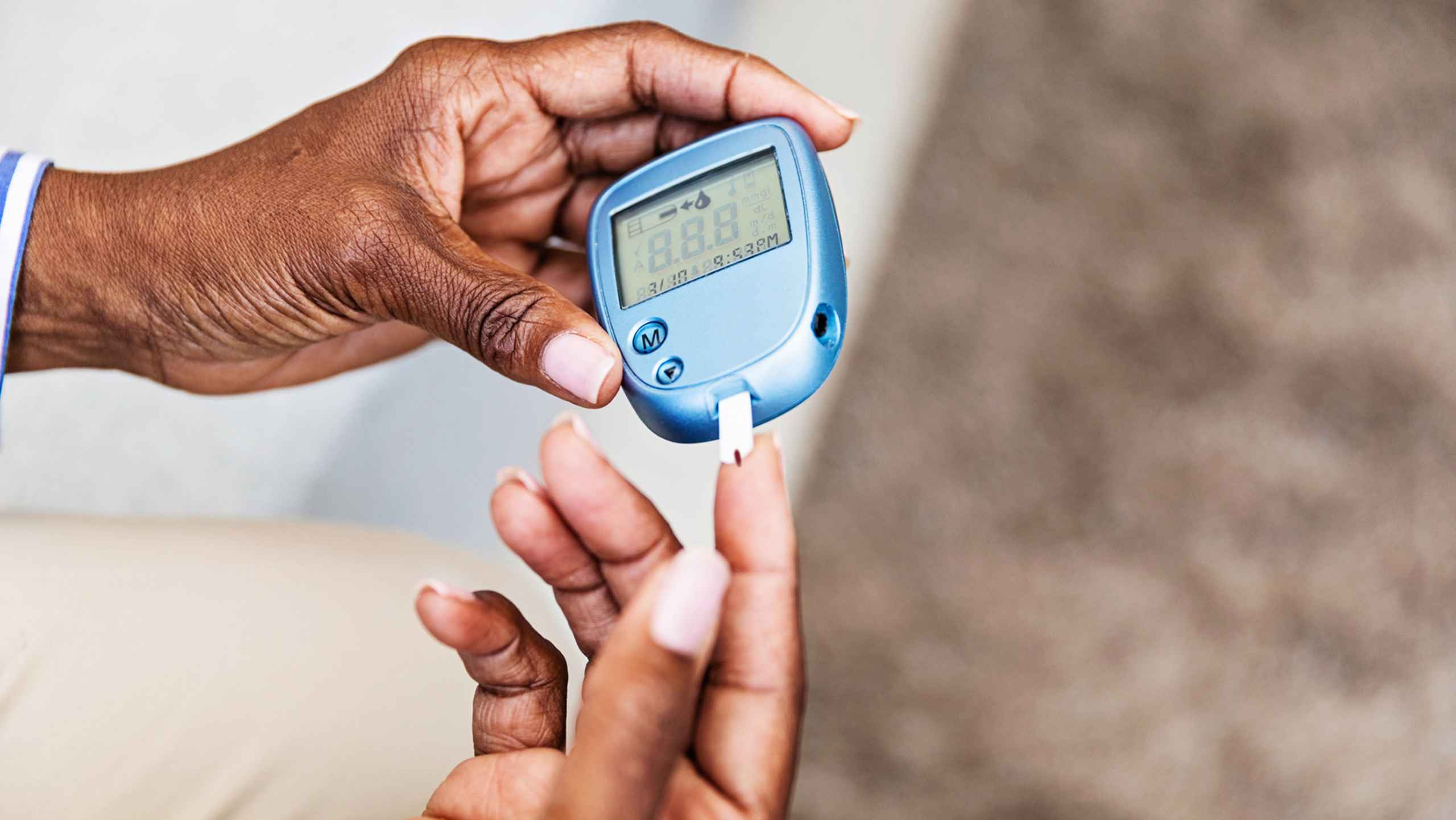
Type 2 diabetes is a complex disease that affects multiple systems in your body. One of the most important things you can do when managing type 2 diabetes is build the right healthcare team. While your primary healthcare provider is an important member of your team, other specialists like endocrinologists, dieticians, and certified diabetes educators are also essential. Here's a list of the people you need in your corner when managing type 2 diabetes.
Primary care physician
Your primary care physician provides the foundation of your diabetes healthcare team. See your primary care physician at least twice a year (more, if recommended) for a wellness exam and an A1c blood sugar test. Your primary care physician should also be ordering tests to check the health of your blood pressure, cholesterol, triglycerides, and kidneys too.
Endocrinologist
An endocrinologist treats problems with the body's hormone-producing system and is specifically trained to treat the insulin problems common in diabetes. People with type 1 diabetes normally see an endocrinologist, but those with type 2 may not need to if their blood sugar is well controlled.
Diabetes educator
A diabetes educator, also called a certified diabetes educator (CDE), can teach you several ways to better cope with diabetes. This includes instructions on how to use diabetes medications, how to give yourself insulin shots and how to check your blood sugar levels.
Dietitian
In addition to helping you choose foods that will stabilize rather than increase your blood sugar, a registered dietitian can show you how to read food labels, plan meals and schedule meals around medications and exercise.
Dentist
People with high blood sugar have less saliva and more salivary sugars in their mouths. This can feed oral bacteria and increase your risk of gum disease, tooth decay and tooth loss. See your dentist at least twice a year.
Eye doctor
Diabetes can damage the small blood vessels in your retina and affect your eyesight. Go to an eye doctor who is familiar with diabetes at least once yearly to get screened for cataracts, glaucoma and any other vision changes.
Foot doctor
Diabetes can get in the way of good circulation and damage the nerves in your feet. Visit a podiatrist twice yearly and inspect your own feet daily for cuts or sores, blisters, injuries, ingrown toenails or signs of infection.
Exercise physiologist
If your doctor is unable to recommend a safe exercise regimen, ask for a referral to an exercise physiologist trained in diabetes.
Pharmacist
Your pharmacist can educate you about your diabetes medications, their side effects, effects they can have on your blood sugar and potential drug interactions.
Counselor or therapist
The right mental health expert can help you cope with the emotional impact of diabetes. Also, a social worker can provide resources to help you with any medical or financial difficulties.
Support group
Talking with other people who live with diabetes can give you support and valuable insight into how to cope with your condition. In fact, a recent study found that, compared to normal care or financial incentives, talking with peers with good blood sugar control helped people with diabetes better control their own blood sugar levels.
Friends and family
Nurture ties with friends and family members. They are your first line of understanding, support and comfort.
You
The most important member of your diabetes healthcare team? You. Ultimately, you're in charge of your healthcare team and your diabetes care plan. So take the driver's seat on your road trip to a younger, healthier life with diabetes.