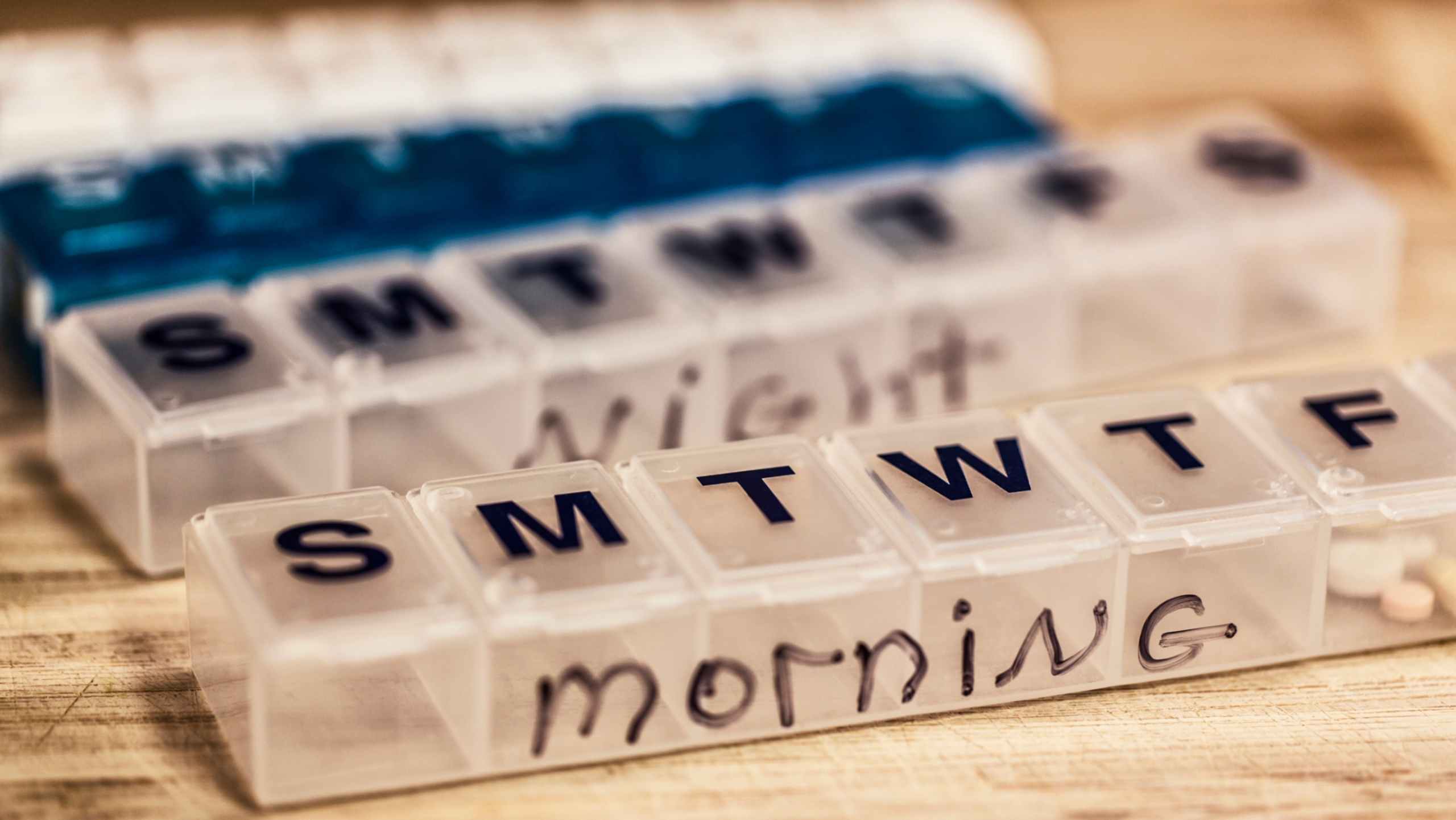


Narcolepsy is a neurological condition and sleep disorder that causes a variety of symptoms and can lead to a number of complications.
The most characteristic symptom of narcolepsy is excessive daytime sleepiness (EDS). EDS is severe sleepiness during waking hours, sometimes in the form of “sleep attacks,” sudden episodes where a person experiences an overwhelming urge to sleep.
Other symptoms can include fragmented sleep at night, insomnia, persistent fatigue, difficulty with concentration and memory (“brain fog”), hallucinations, sleep paralysis, and REM sleep behavior disorder, which causes a person to physically act out their dreams.
People with narcolepsy type 1 experience cataplexy, episodes of extreme muscle weakness where a person may not be able to move certain parts of the body or move at all.
Treatment for narcolepsy focuses on managing symptoms. A person will often need to take multiple medications to promote wakefulness, improve quality of sleep, and manage other symptoms. Consistent sleep routines, strategic naps and caffeine intake, exercise, and other behavioral modifications are also often recommended parts of a treatment plan.
Does narcolepsy affect cardiovascular health?
The relationship between narcolepsy, cardiovascular health, and chronic health conditions like diabetes and obesity is not fully understood.
However, research shows that narcolepsy is associated with cardiovascular risk factors. Cardiovascular risk factors include hypertension (high blood pressure), high cholesterol, abnormal blood glucose metabolism, and overweight/obesity.
The relationship is not fully understood and may involve multiple contributing factors. Some factors may be related to what’s happening in the body when a person has narcolepsy, but more research is needed.
Narcolepsy symptoms can significantly disrupt daily life and functioning. Fatigue, brain fog, and EDS can make it more difficult to prepare meals, exercise, and follow the other routines and habits that reduce the risk of chronic health conditions.
Narcolepsy is also a financial burden for many, interfering with work and career while also demanding ongoing health expenses. This type of financial stress is associated with an increased risk of chronic health conditions.
It’s also worth noting that depression is common among people with narcolepsy. Depression has a known association with cardiovascular disease.
How can you support your heart health if you have narcolepsy?
If you are living with narcolepsy, cardiovascular health is an important topic that you should be discussing with your healthcare provider.
Your healthcare provider can assess your risk of cardiovascular disease and your overall health. Key components of this assessment include:
- Blood pressure check
- A lipid panel to measure cholesterol and triglycerides
- Blood glucose tests, such as a fasting blood glucose test or A1C test
- Weight and BMI (body mass index) measurements
- A review of lifestyle and habits (including diet, physical activity, and smoking)
- Medical history and family medical history
Based on this information, or if you are experiencing symptoms, your healthcare provider can order additional tests as needed.
Basic strategies for a heart healthy lifestyle
You should also follow basic lifestyle strategies for heart health.
- Build a diet around whole foods and minimally processed foods. Eat plenty of plant-based foods (fruits, vegetables, and legumes), lean proteins (like fish, chicken, and turkey), foods containing healthy fats (fatty fish, nuts, avocados, olive oil), and whole grains.
- Limit or avoid processed foods, simple carbohydrates, foods/beverages containing added sugars, and foods high in saturated fat, trans fats, cholesterol, and sodium.
- Avoid heavy meals, which can have a sedating effect. Avoid eating close to bedtime, which can interfere with sleep.
- Limit or abstain from alcohol, which can negatively affect both cardiovascular health and sleep.
- If you smoke, quit. Your healthcare provider can advise you on strategies for quitting tobacco.
- Aim to get at least 20 minutes of moderate exercise daily, at least 4 to 5 hours before bedtime.
A note on exercise safety
Heart-health guidelines recommend a minimum of 150 minutes of moderate exercise a week or 75 minutes of vigorous exercise per week, or an equivalent mix of the two. Additionally, muscle-strengthening activity at least twice a week.
Many people with narcolepsy limit physical activity due to legitimate safety concerns. Certain activities and certain types of exercise may not be safe for a person with narcolepsy. Sudden extreme tiredness or cataplexy can result in severe or life-threatening injury if they occur during an activity like cycling, swimming, or weight training.
Talk to your healthcare provider about safety guidelines, including what exercises should be avoided, safe alternatives, training with a partner or in a supervised environment, and medication timing. Also discuss what types of activities can support your goals and your health.
Sources: National Institute of Neurological Disor... + 15
- National Institute of Neurological Disorders and Stroke. Narcolepsy. August 25, 2026.
- Richard J. Schwab. Narcolepsy. Merck Manual Consumer Version. July 2026.
- Christopher A. Cano, Brian T. Harel, and Thomas E Scammell. Impaired cognition in narcolepsy: clinical and neurobiological perspectives. Sleep, 2024. Vol. 47, No. 9.
- Younghoon Kwon, Apoor S. Gami, et al. Cardiovascular Risks in People With Narcolepsy. Journal of the American Heart Association, 2024. Vol. 13, No. 16.
- CDC Heart Disease. Heart Disease Risk Factors. December 2, 2024.
- Cleveland Clinic. Metabolic Syndrome. September 13, 2023.
- Jennifer M. Slowik, Jacob F. Collen, and Allison G. Yow. Narcolepsy. StatPearls. June 12, 2023.
- Michael Doane, Kiran Maski, et al. 0806 The Economic Burden of Narcolepsy: Matched Analysis of US National Health and Wellness Survey Data. Sleep, 2025. Vol. 48, Suppl. 1.
- Lu Ma, Meng Lv, et al. Chronic financial stress and cardiovascular disease risk: A prospective cohort study and Mendelian randomization analysis. Atherosclerosis, 2025. Vol. 408.
- Mental Health America. Depression and Heart Disease. Accessed October 9, 2026.
- American Heart Association. Heart-Health Screenings. January 16, 2024.
- National Heart, Lung, and Blood Institute. Choose Heart-Healthy Foods. December 10, 2025.
- Sleep Medicine Harvard Medical School. Self-Care. April 13, 2022.
- Johns Hopkins Medicine. Narcolepsy. Accessed October 9, 2026.
- American Heart Association. American Heart Association Recommendations for Physical Activity in Adults and Kids. January 19, 2024.
- Vladimir Tuka and Karel Šonka. Physical activity: a safe step toward better quality of life in narcolepsy. Sleep, 2025. Vol. 49, No. 1.