Why adherence matters when treating HIV


LearnInfectionsLiving well with HIV: treatment, adherence, and supportWhy adherence matters when treating HIV
  • Understanding HIV
  • Understanding HIV treatment
  • The importance of adherence

The key to successful HIV treatment is adherence. Adherence means “sticking to something.” In medicine, the term adherence refers to a person’s ability to follow a treatment plan outlined by a healthcare provider.

In the treatment of HIV, adherence means starting treatment, taking all doses of HIV medication, and attending all appointments with your healthcare providers. Adherence is an important topic to discuss with a healthcare provider when beginning treatment. Non-adherence can have long-term negative effects on HIV treatment and a person’s health.

Understanding HIV

Known as HIV, human immunodeficiency virus is a viral infection that infects and destroys CD4 cells. CD4 cells are a type of white blood cell that the body’s immune system needs to fight infections.

Over time, as the immune system has fewer and fewer healthy CD4 cells—and more HIV-infected CD4 cells—the body is unable to defend itself against bacteria, viruses, and the proliferation of certain types of cancer cells. This can lead to many complications, including AIDS (acquired immune deficiency syndrome).

AIDS is the late stage of HIV infection, where the immune system is severely damaged and unable to fight off serious opportunistic infections. A person with AIDS can still be treated with HIV medications. Untreated, a person with AIDS has a life expectancy of roughly 3 years.

Understanding HIV treatment

There is no cure for HIV, but there are treatments that are very effective at suppressing the virus. The standard of HIV treatment is antiretroviral therapy, or ART. Antiretroviral medications work by disrupting the lifecycle of the HIV virus.

Typically, a person is prescribed a combination of different ART medications, which act on the virus in different ways. This offers the best chance of lowering the viral load (the amount of virus in the body) to the lowest levels possible—ideally, so low that HIV cannot be detected with a standard blood test. A combination of HIV medications a person is prescribed is called a regimen.

A person with HIV who adheres to their prescribed treatment regimen can live a long and healthy life, though they are at an increased risk of conditions like cardiovascular disease, type 2 diabetes, and cancer, especially as they age.

The importance of adherence

ART medications are very effective at reducing the amount of virus in the body—but they cannot get rid of the virus completely. To maintain viral suppression, ART medications must be taken continuously for the rest of a person’s life.

Taking ART medications inconsistently, skipping doses, or stopping ART medications can lead to problems:

  • Viral load increase. This means the HIV infection will begin to infect and destroy CD4 cells, leaving the body more vulnerable to infections and cancers that can seriously damage a person’s health, and in some cases, lead to death.
  • Transmission. An increased viral load also increases the risk of transmitting the virus to others. Because there is more virus in the body, there is more virus that can leave the body and infect another person.
  • Drug resistance. By preventing the virus from replicating, ART medications prevent the virus from mutating. Mutations can lead to drug resistance, where some ART medications are no longer effective at stopping the virus from replicating. This makes re-starting treatment more difficult—and potentially less effective.

Treatment for HIV is a lifelong process, which means that the challenges of adhering to HIV treatment can change over time. Always tell your healthcare provider about any circumstance that has the potential to interfere with HIV treatment—a change in job, in insurance, in your day-to-day schedule, a change in your mental health.

Also, always be honest with your healthcare provider. If you are having a hard time following your treatment or have missed doses, share this information. Your healthcare providers need to know these details in order to provide you with the best care possible.

Sources: National Institutes of Health. HIV Treat... + 10
  1. National Institutes of Health. HIV Treatment Adherence.
  2. MedlinePlus. HIV.
  3. NYU Langone Health. Diagnosing HIV Infection & AIDS.
  4. MedlinePlus. CD4 Lymphocyte Count.
  5. HIV.gov. What Are HIV and AIDS?
  6. Centers for Disease Control and Prevention. HIV Treatment.
  7. UpToDate. Patient education: Initial treatment of HIV (Beyond the Basics).
  8. National Institutes of Health. What to Start: Choosing an HIV Treatment Regimen.
  9. HIV.gov. Aging with HIV.
  10. Linda Beer, Yunfeng Tie, John Weiser, and R. Luke Shouse. Nonadherence to Any Prescribed Medication Due to Costs Among Adults with HIV Infection — United States, 2016–2017. Centers for Disease Control and Prevention Morbidity and Mortality Weekly Report (MMWR), 2019. Vol. 68, No. 49.
  11. World Health Organization. HIV drug resistance.
Written by Jameson Kowalczyk.
Medically reviewed by Joanne Perron, MD, MPH.July, 2025
Updated onJuly, 2026
Written by Jameson Kowalczyk.
Medically reviewed by Joanne Perron, MD, MPH.July, 2025
Updated onJuly, 2026
  • Understanding HIV
  • Understanding HIV treatment
  • The importance of adherence

Featured content

Life Unscripted with HIV
Interactive

Life Unscripted with HIV

Can you switch HIV treatments?
Article

Can you switch HIV treatments?

The reasons people switch to different HIV medications and the importance of working with a healthcare provider.

How does antiretroviral therapy treat HIV?
Article

How does antiretroviral therapy treat HIV?

Learn how antiretroviral therapy (ART) can control an HIV infection and prevent the transmission of HIV.

Nutrition and HIV: what to eat and important food safety tips
Article

Nutrition and HIV: what to eat and important food safety tips

The foods you eat can benefit your overall health and your immune system. Here is what you need to know.

How to find emotional support when managing HIV
Article

How to find emotional support when managing HIV

Loved ones, healthcare providers, and peers can help make sure you don't navigate HIV alone.

HIV and the risk of age-associated disease
Article

HIV and the risk of age-associated disease

With antiretroviral therapy, people with HIV are living longer. But they’re at an increased risk of heart disease, diabetes, and osteoporosis.

What healthcare providers do you need on your HIV care team?
Article

What healthcare providers do you need on your HIV care team?

From primary care providers to mental health professionals and dentists, here’s who you need on your team.

How to take an active role in your HIV treatment
Article

How to take an active role in your HIV treatment

You may have heard the phrase “be your own health advocate.” Here’s what that means for people with HIV.

Building a relationship with your HIV healthcare provider
Article

Building a relationship with your HIV healthcare provider

Five strategies for finding the right healthcare provider, plus tips for getting the most out of your appointments.

HIV: you’ve achieved viral suppression, now what?
Article

HIV: you’ve achieved viral suppression, now what?

Two questions that can help you decide what’s next for your health when living with and treating HIV.

How to find the right healthcare provider to treat HIV
Article

How to find the right healthcare provider to treat HIV

What to look for in a healthcare provider when you’re looking for a healthcare provider to treat HIV.

Taking the next steps in HIV care after viral suppression
Article

Taking the next steps in HIV care after viral suppression

For anyone living with HIV, working with a healthcare provider is essential to staying as healthy as possible.

Tips for being honest with your HIV healthcare provider
Article

Tips for being honest with your HIV healthcare provider

If you’ve ever had a difficult time talking openly with your healthcare provider, these strategies may help.

Restarting HIV treatment after an unplanned interruption
Article

Restarting HIV treatment after an unplanned interruption

What you need to know about drug resistance testing and avoiding future interruptions in HIV treatment.

Understanding the relationship between HIV and mental health
Article

Understanding the relationship between HIV and mental health

Learn about the complicated relationship between HIV and mental health, and how mental health can impact treatment.

The goals of HIV treatment and the importance of adherence
Article

The goals of HIV treatment and the importance of adherence

HIV treatment adherence is the key to maintaining viral suppression and healthy white blood cell counts.

Understanding and coping with HIV stigma
Article

Understanding and coping with HIV stigma

For people living with HIV, feeling judged or othered can harm mental health and treatment adherence.

What to know when starting HIV treatment
Article

What to know when starting HIV treatment

Learn how HIV treatment works and what to discuss with your healthcare providers when you are ready to begin treatment.

A parent’s guide to HIV antiretroviral therapy for children
Article

A parent’s guide to HIV antiretroviral therapy for children

Antiretroviral therapy for HIV requires several considerations when the person being treated is a child.

How to reduce the cost of HIV treatment
Article

How to reduce the cost of HIV treatment

If you are searching for ways to reduce the cost of HIV treatment, these resources can help you get started.

9-minute meditation for HIV
Video

9-minute meditation for HIV

Meditation can help reduce stress for people living with HIV and may even help slow the progression of the condition.

Mind your health: HIV
Video

Mind your health: HIV

Mental health is critical to our whole body health.

Talking to your doctor about the next steps in your HIV treatment
Video

Talking to your doctor about the next steps in your HIV treatment

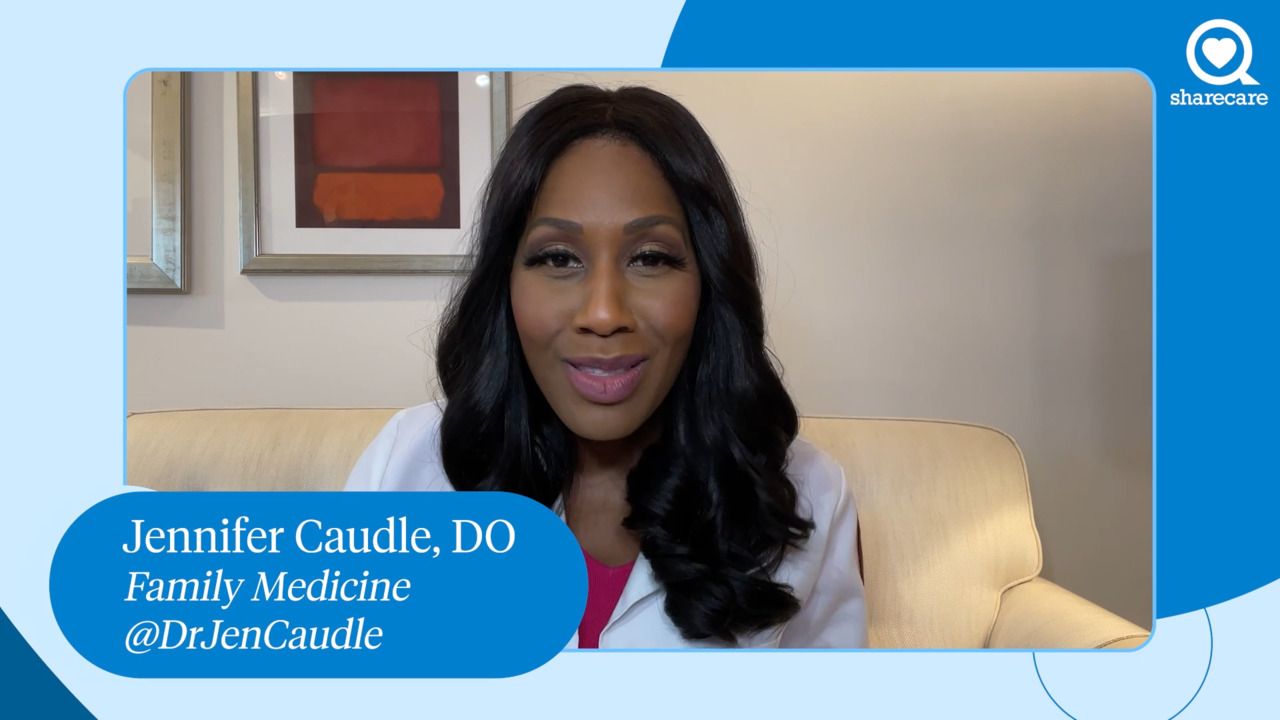
Dr. Jennifer Caudle, DO helps you find the words when talking to your doctor about the next steps in your HIV diagnosis.

Talking to the people in your life about your HIV diagnosis
Video

Talking to the people in your life about your HIV diagnosis

Dr. Jennifer Caudle, DO helps you find the words for talking to the people in your life about your HIV diagnosis.

AskMD by Sharecare LogoAskMD by Sharecare Logo
Privacy policyConsumer health data privacyTerms of use
Cookie policyYour privacy choices

© 2026 Sharecare, Inc.

ask-mdask-md
AskMD by Sharecare LogoAskMD by Sharecare Logo
Privacy policyConsumer health data privacyTerms of use
Cookie policyYour privacy choices

© 2026 Sharecare, Inc.