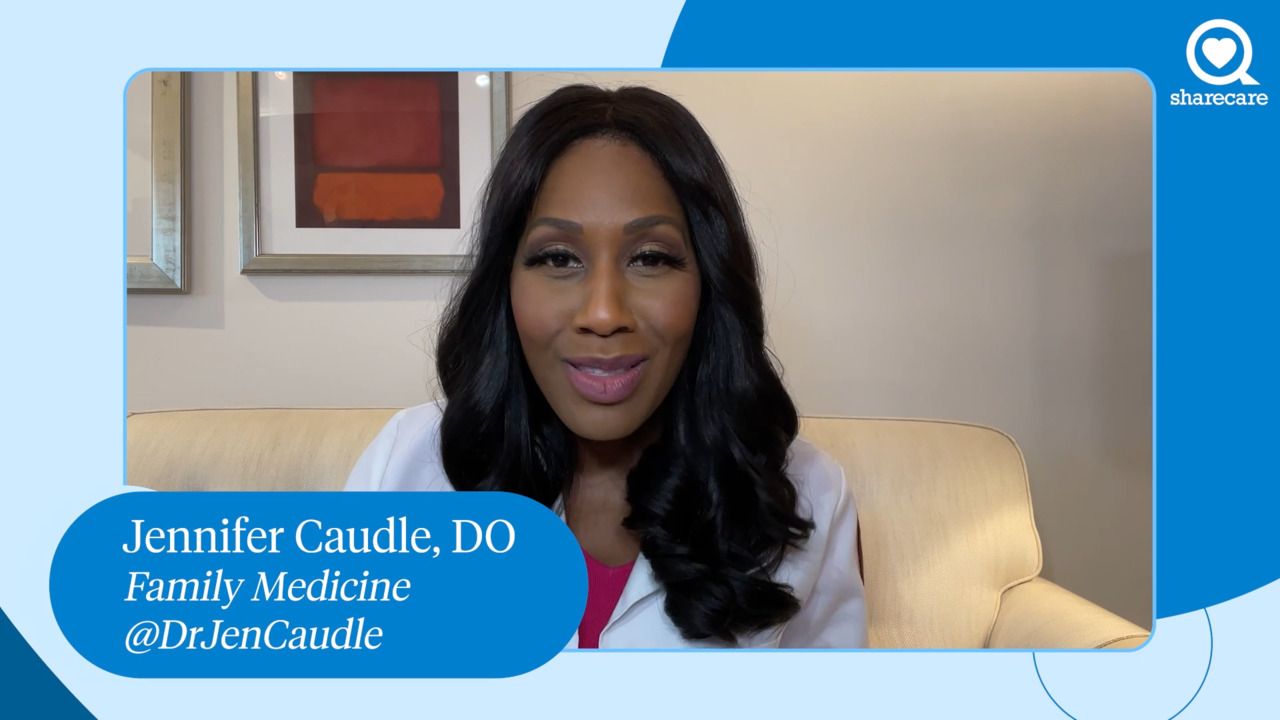


How to reduce the cost of HIV treatment


LearnInfectionsLiving well with HIV: treatment, adherence, and supportHow to reduce the cost of HIV treatment
  • Cost of treatment is a barrier to treatment
  • Federal and state programs
  • Discounts from drug manufacturers

Human immunodeficiency virus (HIV) is a virus that infects and damages the immune system. Infections with HIV are chronic but manageable. HIV is managed with antiretroviral therapy (ART), medications that disrupt the lifecycle of the HIV virus, stopping it from replicating.

ART cannot cure an HIV infection, but continuous treatment with ART can keep the amount of virus in the body at very low levels. This is known as viral suppression, and it allows a person with HIV to remain healthy. It also prevents the transmission of HIV to others.

Achieving and maintaining viral suppression is the main goal of treating HIV, and the key to maintaining viral suppression is taking HIV medications exactly as prescribed by a healthcare provider. This means taking every dose, taking every dose on time, and following any other instructions a healthcare provider specifies.

Cost of treatment is a barrier to treatment

A barrier is any factor that prevents a person from accessing healthcare. Cost is a significant barrier to healthcare in general, and many people who are living with HIV have difficulty accessing treatment due to the financial cost of treatment. This includes the cost of paying for medications, as well as the cost of healthcare appointments, blood tests, and other aspects of HIV care.

Federal and state programs

If you or a loved one is living with HIV and the cost of treatment is preventing you from accessing healthcare, there are resources that can help reduce the cost of treatment. This includes state and federal programs and, in some cases, discounts from drug manufacturers. If you are searching for ways to reduce the cost of HIV treatment, the information below can help you get started.

The Ryan White HIV/AIDS Program

Part of the Health Resources & Services Administration (HRSA), the Ryan White HIV/AIDS program funds HIV healthcare and support services (such as food and housing) to people with low income who do not have health insurance. Programs vary state by state, with different eligibility requirements and application processes. You can find programs in your area by visiting the state hotlines page on the Ryan White HIV/AIDS program’s webpage.

Medicaid and Medicare

Medicaid and Medicare are the largest sources of insurance coverage for people living with HIV in the United States. If you or a loved one is living with HIV and do not have health insurance, it is worth looking into eligibility requirements and applying.

  • Medicare is federally funded health insurance for people over the age of 65, as well as people who have certain disabilities. More information can be found at medicare.gov.
  • Medicaid provides health insurance for people with low income and resources. Because Medicaid receives joint funding from the federal government and state government, eligibility requirements and benefits can vary state by state. More information can be found at medicaid.gov.

There is also The Children's Health Insurance Program (CHIP), which provides health insurance to children whose families earn too much to qualify for Medicaid. More information can be found on the Medicaid website.

Discounts from drug manufacturers

Drug manufacturers often have their own programs that can help lower the cost of medications. Information about these programs can be found on a drug manufacturer’s website. Most programs fall into two categories:

Copay cards

If you have private insurance (through a healthcare provider) or commercial insurance (that you have purchased on your own) you may want to explore a copay savings program, or copay card program. People who participate in these programs are issued a card that they can present when picking up and paying for a medication. Information on the card is entered along with insurance information and a discount is applied to the price of the medication.

Patient assistance programs (PAPs)

If you are uninsured or underinsured and cannot cover the cost of a medication you need, you may be eligible for a payment assistance program. These provide medications at a lower cost to those who meet the eligibility requirements (which vary depending on the program).

If you are concerned about the cost of HIV medication, talk to your healthcare provider. They may have their own recommendations on resources that can help you. Your pharmacist can also be a good source of information.

Sources: HIV.gov. What Are HIV and AIDS? + 14
  1. HIV.gov. What Are HIV and AIDS?
  2. Cleveland Clinic. Antiretroviral Therapy.
  3. HIV.gov. Viral Suppression and an Undetectable Viral Load.
  4. Helena M. Swinkels, Angel A. Justiz Vaillant, Andrew D. Nguyen, and Peter G. Gulick. HIV and AIDS. StatPearls. July 27, 2024.
  5. Lindsey Dawson and Jennifer Kates. What Do We Know About People with HIV Who Are Not Engaged In Regular HIV Care? KFF. June 22, 2023.
  6. OASH Office on Women's Health. Barriers to care for HIV.
  7. Khayreddine Bouabida, Breitner Gomes Chaves, and Enoch Anane. Challenges and barriers to HIV care engagement and care cascade: viewpoint. Frontiers in Reproductive Health. July 19, 2023.
  8. Adrienna Bingham, Ram K Shrestha, et al. Estimated Lifetime HIV-Related Medical Costs in the United States. Sexually Transmitted Diseases, 2021. Vol. 48, No. 4.
  9. Cindy Y. Chen, Prina Donga, Alicia K. Campbell, and Babafemi Taiwo. Economic Burden of HIV in a Commercially Insured Population in the United States. Infectious Diseases, 2023. Vol. 10, No. 1.
  10. HIV.gov. Medicare, Medicaid, and People with HIV: New Issue Briefs from KFF.
  11. U.S. Department of Health and Human Services. What’s the difference between Medicare and Medicaid?
  12. HealthCare.gov. The Children's Health Insurance Program (CHIP).
  13. Lauren Chase. What Are Manufacturer Copay Cards? GoodRx Health. April 29, 2022.
  14. NeedyMeds. Co-pay Cards FAQs.
  15. Lauren Chase. What Are Patient Assistance Programs? GoodRx Health. April 28, 2022.
Written by Jameson Kowalczyk.
Medically reviewed by Amy Gonzales, MD.August, 2024
Updated onJuly, 2026
Written by Jameson Kowalczyk.
Medically reviewed by Amy Gonzales, MD.August, 2024
Updated onJuly, 2026
  • Cost of treatment is a barrier to treatment
  • Federal and state programs
  • Discounts from drug manufacturers

Featured content

Life Unscripted with HIV
Interactive

Life Unscripted with HIV

Can you switch HIV treatments?
Article

Can you switch HIV treatments?

The reasons people switch to different HIV medications and the importance of working with a healthcare provider.

How does antiretroviral therapy treat HIV?
Article

How does antiretroviral therapy treat HIV?

Learn how antiretroviral therapy (ART) can control an HIV infection and prevent the transmission of HIV.

Nutrition and HIV: what to eat and important food safety tips
Article

Nutrition and HIV: what to eat and important food safety tips

The foods you eat can benefit your overall health and your immune system. Here is what you need to know.

How to find emotional support when managing HIV
Article

How to find emotional support when managing HIV

Loved ones, healthcare providers, and peers can help make sure you don't navigate HIV alone.

HIV and the risk of age-associated disease
Article

HIV and the risk of age-associated disease

With antiretroviral therapy, people with HIV are living longer. But they’re at an increased risk of heart disease, diabetes, and osteoporosis.

What healthcare providers do you need on your HIV care team?
Article

What healthcare providers do you need on your HIV care team?

From primary care providers to mental health professionals and dentists, here’s who you need on your team.

How to take an active role in your HIV treatment
Article

How to take an active role in your HIV treatment

You may have heard the phrase “be your own health advocate.” Here’s what that means for people with HIV.

Building a relationship with your HIV healthcare provider
Article

Building a relationship with your HIV healthcare provider

Five strategies for finding the right healthcare provider, plus tips for getting the most out of your appointments.

HIV: you’ve achieved viral suppression, now what?
Article

HIV: you’ve achieved viral suppression, now what?

Two questions that can help you decide what’s next for your health when living with and treating HIV.

How to find the right healthcare provider to treat HIV
Article

How to find the right healthcare provider to treat HIV

What to look for in a healthcare provider when you’re looking for a healthcare provider to treat HIV.

Taking the next steps in HIV care after viral suppression
Article

Taking the next steps in HIV care after viral suppression

For anyone living with HIV, working with a healthcare provider is essential to staying as healthy as possible.

Why adherence matters when treating HIV
Article

Why adherence matters when treating HIV

How antiretroviral therapy (ART) works to treat HIV, and why viral suppression depends on taking every dose.

Tips for being honest with your HIV healthcare provider
Article

Tips for being honest with your HIV healthcare provider

If you’ve ever had a difficult time talking openly with your healthcare provider, these strategies may help.

Restarting HIV treatment after an unplanned interruption
Article

Restarting HIV treatment after an unplanned interruption

What you need to know about drug resistance testing and avoiding future interruptions in HIV treatment.

Understanding the relationship between HIV and mental health
Article

Understanding the relationship between HIV and mental health

Learn about the complicated relationship between HIV and mental health, and how mental health can impact treatment.

The goals of HIV treatment and the importance of adherence
Article

The goals of HIV treatment and the importance of adherence

HIV treatment adherence is the key to maintaining viral suppression and healthy white blood cell counts.

Understanding and coping with HIV stigma
Article

Understanding and coping with HIV stigma

For people living with HIV, feeling judged or othered can harm mental health and treatment adherence.

What to know when starting HIV treatment
Article

What to know when starting HIV treatment

Learn how HIV treatment works and what to discuss with your healthcare providers when you are ready to begin treatment.

A parent’s guide to HIV antiretroviral therapy for children
Article

A parent’s guide to HIV antiretroviral therapy for children

Antiretroviral therapy for HIV requires several considerations when the person being treated is a child.

9-minute meditation for HIV
Video

9-minute meditation for HIV

Meditation can help reduce stress for people living with HIV and may even help slow the progression of the condition.

Mind your health: HIV
Video

Mind your health: HIV

Mental health is critical to our whole body health.

Talking to your doctor about the next steps in your HIV treatment
Video

Talking to your doctor about the next steps in your HIV treatment

Dr. Jennifer Caudle, DO helps you find the words when talking to your doctor about the next steps in your HIV diagnosis.

Talking to the people in your life about your HIV diagnosis
Video

Talking to the people in your life about your HIV diagnosis

Dr. Jennifer Caudle, DO helps you find the words for talking to the people in your life about your HIV diagnosis.

AskMD by Sharecare LogoAskMD by Sharecare Logo
Privacy policyConsumer health data privacyTerms of use
Cookie policyYour privacy choices

© 2026 Sharecare, Inc.

ask-mdask-md
AskMD by Sharecare LogoAskMD by Sharecare Logo
Privacy policyConsumer health data privacyTerms of use
Cookie policyYour privacy choices

© 2026 Sharecare, Inc.