
Understanding the relationship between HIV and mental health


LearnInfectionsLiving well with HIV: treatment, adherence, and supportUnderstanding the relationship between HIV and mental health
  • A manageable condition
  • Adherence
  • HAND
  • Getting help

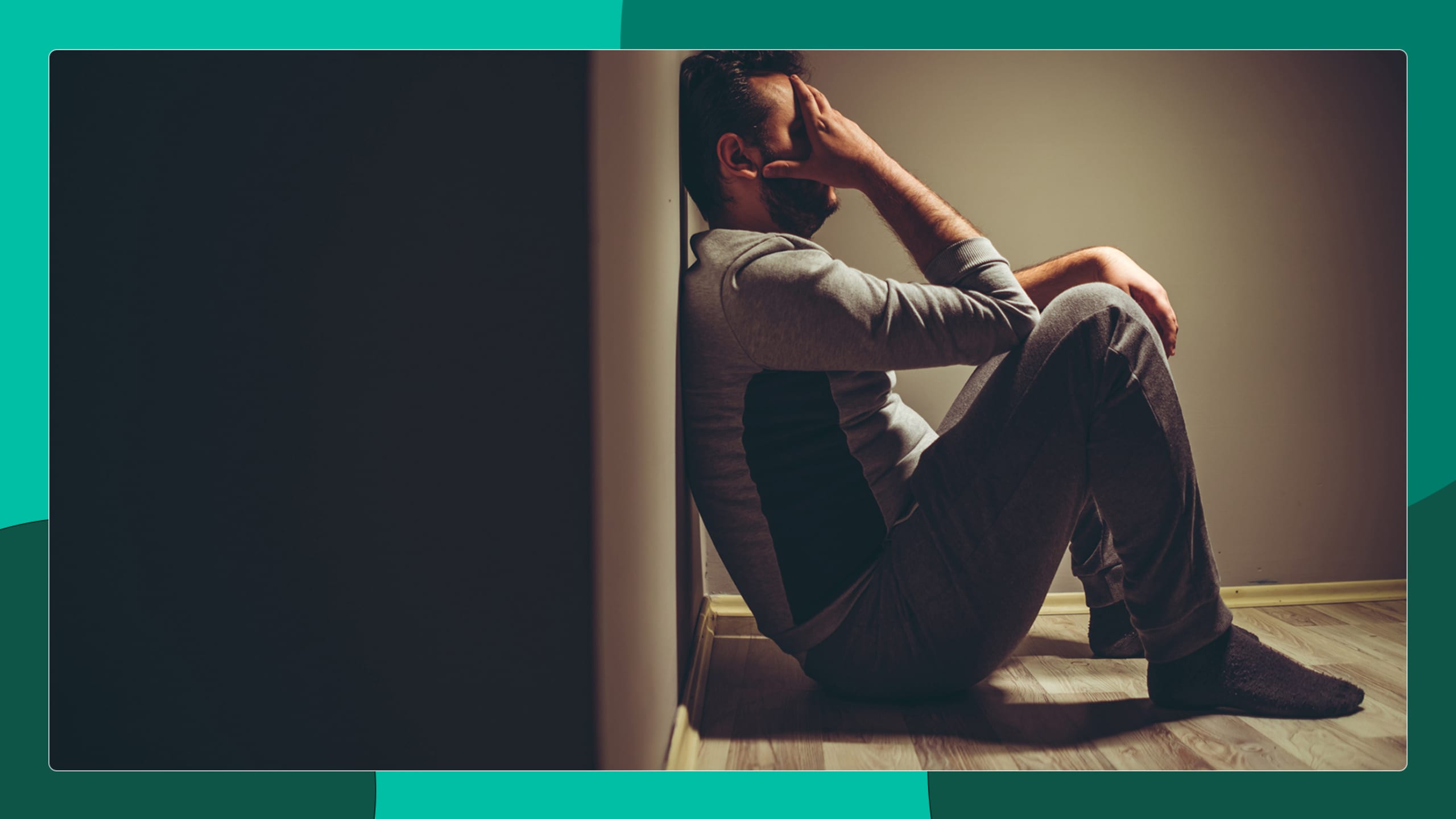
Mental health disorders like depression and anxiety are prevalent among people with HIV. The relationship between HIV and mental health is complex. A disorder like depression may be triggered by an HIV diagnosis, or a person with a history of depression may experience a relapse or worsening of symptoms following a diagnosis. Anxiety and depression may be a side effect of medications used to treat HIV. Medications used to treat HIV may also have drug interactions with medications a person is prescribed to manage disorders like anxiety and depression. HIV infections may also cause cognitive and neurological symptoms, such as changes in mood, memory, and motor function.

A manageable condition

It is important to understand that HIV is a manageable condition. A person with HIV will be treated with antiretroviral therapy (ART), medications that disrupt the lifecycle of HIV. While these medications do not cure the virus, they do drive the viral load (the amount of the virus present in the body) down to undetectable levels. This allows the immune system to recover. It also allows a person with HIV to have a near-normal lifespan, with minimal chances of transmitting the virus to others.

Adherence

The benefits of HIV treatment depend on adhering to the treatment plan, which involves taking medications daily for the rest of a person’s life. When adherence slips, it becomes easier for the virus to change form. If this occurs, treatments can become less effective or stop working, and the infection can progress.

Mental health can be a serious obstacle when treating HIV. People who are affected by mental health disorders like depression have a lower adherence to treatment (it is worth noting that this is true of HIV as well as other chronic health conditions). It is important for anyone with HIV—as well as their loved ones—to understand the signs and symptoms of depression:

  • Persistent feelings of sadness, anxiety, frustration, anger, irritability, hopelessness, guilt, worthlessness, feeling empty, or other negative emotions.
  • Loss of interest in activities, friends, and social life.
  • Problems with concentration, memory, or making decisions.
  • Changes in sleep, energy levels, and eating habits.
  • Suicidal thoughts, or thoughts about death.
  • Headaches, cramps, pain, or digestive issues.

HAND

Patients and caregivers should also be aware that HIV infections can cause a number of neurological and cognitive impairments. These are referred to as “HIV-associated neurocognitive disorders” or HAND, and can include changes in thinking, emotions, memory, and motor function.

Getting help

If you or your loved one is experiencing any symptoms of depression, or any changes in mood, motor function, memory, or cognitive ability, it is important to see your healthcare provider to identify and address the cause. Being diagnosed with a chronic illness like HIV is a life-altering experience, one that can result in a wide-range of emotional responses. Fortunately, there are effective treatments for both HIV and depression, and many people affected by these conditions are able to live long, fulfilling lives.

Written by Jameson Kowalczyk.
Medically reviewed by Ann Wendling, MD, MPH.August, 2025
Updated onJuly, 2026
Written by Jameson Kowalczyk.
Medically reviewed by Ann Wendling, MD, MPH.August, 2025
Updated onJuly, 2026
  • A manageable condition
  • Adherence
  • HAND
  • Getting help

Featured content

Life Unscripted with HIV
Interactive

Life Unscripted with HIV

Can you switch HIV treatments?
Article

Can you switch HIV treatments?

The reasons people switch to different HIV medications and the importance of working with a healthcare provider.

How does antiretroviral therapy treat HIV?
Article

How does antiretroviral therapy treat HIV?

Learn how antiretroviral therapy (ART) can control an HIV infection and prevent the transmission of HIV.

Nutrition and HIV: what to eat and important food safety tips
Article

Nutrition and HIV: what to eat and important food safety tips

The foods you eat can benefit your overall health and your immune system. Here is what you need to know.

How to find emotional support when managing HIV
Article

How to find emotional support when managing HIV

Loved ones, healthcare providers, and peers can help make sure you don't navigate HIV alone.

HIV and the risk of age-associated disease
Article

HIV and the risk of age-associated disease

With antiretroviral therapy, people with HIV are living longer. But they’re at an increased risk of heart disease, diabetes, and osteoporosis.

What healthcare providers do you need on your HIV care team?
Article

What healthcare providers do you need on your HIV care team?

From primary care providers to mental health professionals and dentists, here’s who you need on your team.

How to take an active role in your HIV treatment
Article

How to take an active role in your HIV treatment

You may have heard the phrase “be your own health advocate.” Here’s what that means for people with HIV.

Building a relationship with your HIV healthcare provider
Article

Building a relationship with your HIV healthcare provider

Five strategies for finding the right healthcare provider, plus tips for getting the most out of your appointments.

HIV: you’ve achieved viral suppression, now what?
Article

HIV: you’ve achieved viral suppression, now what?

Two questions that can help you decide what’s next for your health when living with and treating HIV.

How to find the right healthcare provider to treat HIV
Article

How to find the right healthcare provider to treat HIV

What to look for in a healthcare provider when you’re looking for a healthcare provider to treat HIV.

Taking the next steps in HIV care after viral suppression
Article

Taking the next steps in HIV care after viral suppression

For anyone living with HIV, working with a healthcare provider is essential to staying as healthy as possible.

Why adherence matters when treating HIV
Article

Why adherence matters when treating HIV

How antiretroviral therapy (ART) works to treat HIV, and why viral suppression depends on taking every dose.

Tips for being honest with your HIV healthcare provider
Article

Tips for being honest with your HIV healthcare provider

If you’ve ever had a difficult time talking openly with your healthcare provider, these strategies may help.

Restarting HIV treatment after an unplanned interruption
Article

Restarting HIV treatment after an unplanned interruption

What you need to know about drug resistance testing and avoiding future interruptions in HIV treatment.

The goals of HIV treatment and the importance of adherence
Article

The goals of HIV treatment and the importance of adherence

HIV treatment adherence is the key to maintaining viral suppression and healthy white blood cell counts.

Understanding and coping with HIV stigma
Article

Understanding and coping with HIV stigma

For people living with HIV, feeling judged or othered can harm mental health and treatment adherence.

What to know when starting HIV treatment
Article

What to know when starting HIV treatment

Learn how HIV treatment works and what to discuss with your healthcare providers when you are ready to begin treatment.

A parent’s guide to HIV antiretroviral therapy for children
Article

A parent’s guide to HIV antiretroviral therapy for children

Antiretroviral therapy for HIV requires several considerations when the person being treated is a child.

How to reduce the cost of HIV treatment
Article

How to reduce the cost of HIV treatment

If you are searching for ways to reduce the cost of HIV treatment, these resources can help you get started.

9-minute meditation for HIV
Video

9-minute meditation for HIV

Meditation can help reduce stress for people living with HIV and may even help slow the progression of the condition.

Mind your health: HIV
Video

Mind your health: HIV

Mental health is critical to our whole body health.

Talking to your doctor about the next steps in your HIV treatment
Video

Talking to your doctor about the next steps in your HIV treatment

Dr. Jennifer Caudle, DO helps you find the words when talking to your doctor about the next steps in your HIV diagnosis.

Talking to the people in your life about your HIV diagnosis
Video

Talking to the people in your life about your HIV diagnosis

Dr. Jennifer Caudle, DO helps you find the words for talking to the people in your life about your HIV diagnosis.

AskMD by Sharecare LogoAskMD by Sharecare Logo
Privacy policyConsumer health data privacyTerms of use
Cookie policyYour privacy choices

© 2026 Sharecare, Inc.

ask-mdask-md
AskMD by Sharecare LogoAskMD by Sharecare Logo
Privacy policyConsumer health data privacyTerms of use
Cookie policyYour privacy choices

© 2026 Sharecare, Inc.