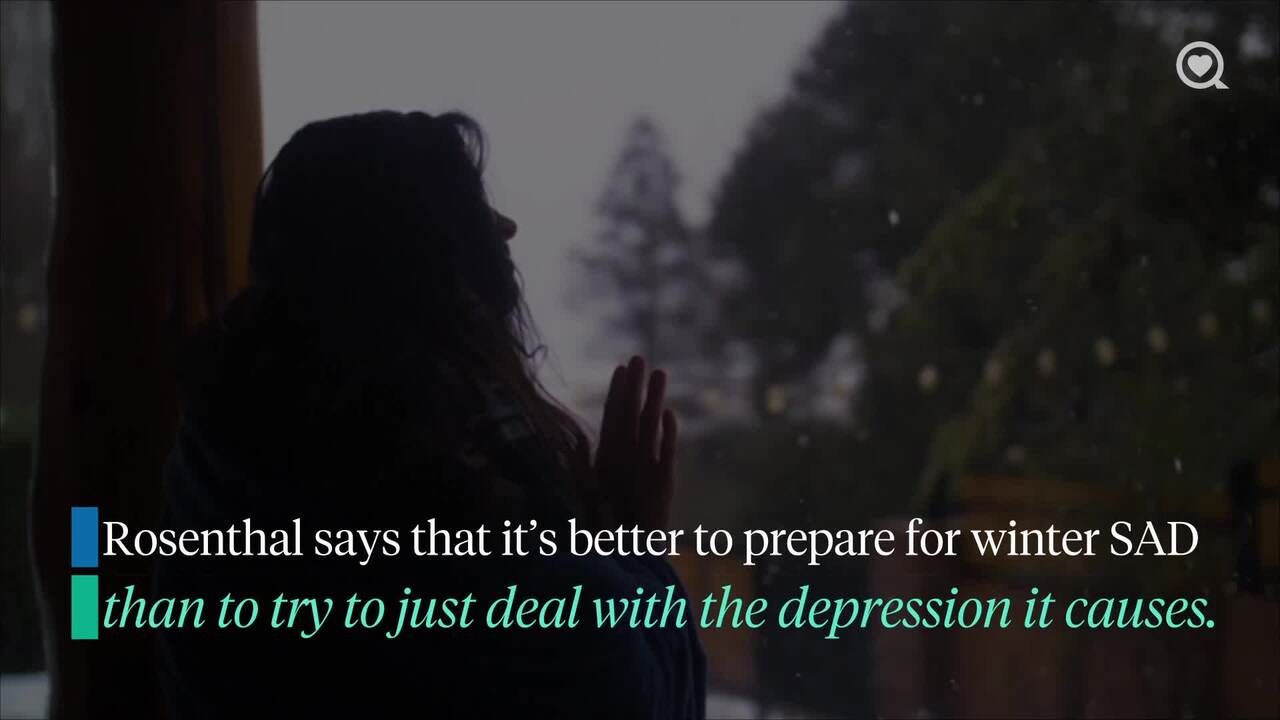


Sometimes, when the temperatures drop and days grow shorter, the blues seep in. Feeling down in the winter is common, especially once the rush of the holidays is over. It’s believed that between 10 and 20 percent of Americans may have mild symptoms linked to the change in season, like sadness and lethargy. These feelings are usually temporary and go away on their own fairly quickly. While you’re waiting, there are steps you can take to keep your spirits up.
How to help banish the blues
First thing's first: Head outside. A brisk midday walk or lunch in your backyard can improve your mood. When you can’t get outdoors, bring sunlight in. At home or the office, keep shades open and sit by a window. Remove obstacles that block light from shining through, whether it’s furniture or foliage. Position mirrors to reflect sun rays or paint your home in light colors.
Winter sadness often saps your motivation to socialize, but spending time with other people can be a powerful mood lifter. Make the effort to see friends and family, whether it’s a one-on-one dinner or a holiday gathering. Take up a hobby, volunteer, or try activities where you can meet new people. Sports or fitness classes are ideal, since regular exercise is a great pick-me-up in itself; physical activity boosts feel-good chemicals in your brain.
In general, it’s a good idea to practice healthy habits:
- Eat a healthy diet. Instead of overdoing simple carbohydrates like pasta and chips, eat a healthy diet focusing on fruits, vegetables, whole grains, heart-healthy fats, and lean protein. It can help maintain your weight and boost energy.
- Get enough sleep. Experts recommend seven to nine hours nightly for most healthy adults. Focusing on good sleep hygiene may help you get the hours you need.
- Find ways to help manage stress. Practicing relaxation techniques and mind-body exercises like meditation, yoga, and tai chi can ease worries and help to prevent low moods.
Finally, if your schedule and budget allow, consider taking a warm, sunny vacation. The change in scenery could help boost your mood in the weeks to come.
When to seek help
It’s natural to feel blue sometimes during the winter. But it’s important to know the difference between mild, temporary sadness and seasonal affective disorder (SAD), a type of clinical depression that occurs when the seasons change. SAD is a serious mental health condition that should be treated by a healthcare provider (HCP). If your depression lasts more than two weeks and disrupts your day-to-day function, reach out to an HCP or counselor.
Sources: National Institute of Health: News in He... + 6
- National Institute of Health: News in Health. Beat the Winter Blues.
- Villanova University. Winter Blues/Seasonal Affective Disorder.
- National Health Service (UK). Beating the Winter Blues.
- Mayo Clinic. Seasonal affective disorder (SAD).
- HelpGuide.org. Seasonal Affective Disorder (SAD).
- MedlinePlus. Learn to manage stress.
- National Institute of Mental Health. Seasonal Affective Disorder.