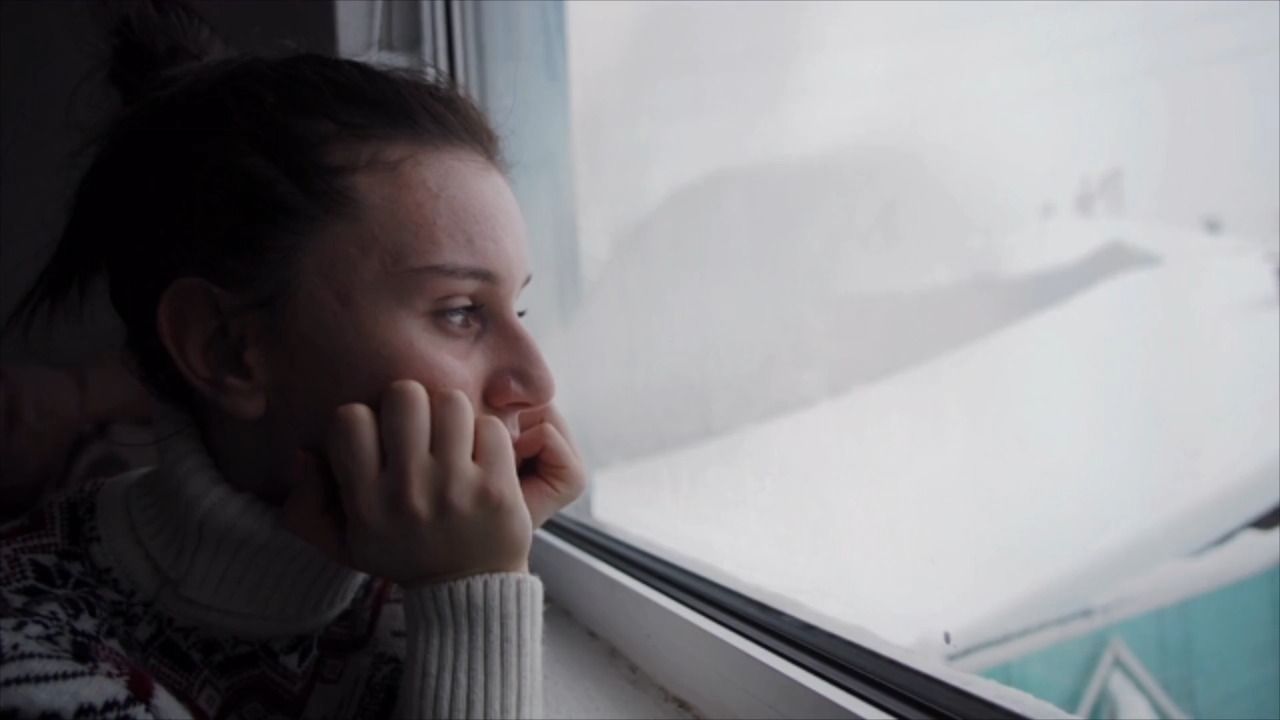


While the cooler temperatures and shorter days of fall and winter mean relief from summer heat and sun, they can, for some people, bring changes in mood. These changes may take the form of seasonal affective disorder (SAD), a type of depression that occurs during a particular season, then improves as the next season begins.
In most cases, SAD is more pronounced during these colder months, says Christina Leal-McKinley, MD, a family medicine physician in Covington, Louisiana. Millions of adults in the United States experience symptoms of winter-related SAD each year. Many also have less-severe symptoms, sometimes referred to as the winter blues. But some people do experience SAD in the spring or summer.
While the exact cause of SAD is unknown, some people are at greater risk for SAD than others. They include those who live in northern latitudes, those with a family history of SAD, and those with depression or bipolar disorder. Women are also more likely to have SAD than men.
Researchers have found that light has a lot to do with this condition. A lack of sunlight may interrupt the body’s biological clock that usually controls mood, sleep, and hormone levels.
People with SAD may have an imbalance of serotonin, a chemical in the brain that is responsible for controlling your mood. These people may also make too much of the sleep hormone melatonin, which can cause them to feel sleepier more often.
If left untreated, SAD can interfere with everyday life and increase the risk of other health concerns, like alcohol abuse.
Signs of SAD
A diagnosis of SAD is made if you have depression symptoms each season for two consecutive seasons. Symptoms of depression include:
- Feelings of depression all day, on more days than not
- Feelings of hopelessness
- Decreased energy levels
- Lack of interest in activities you once enjoyed
- Sleep problems
There are also some signs that describe SAD specifically. In the winter months, those with SAD can expect to have:
- Little energy
- Exhaustion
- A tendency to overeat and experience weight gain
- Cravings for carbohydrates
- Social withdrawal
Those with summertime SAD may notice:
- Weight loss or decreased appetite
- Sleeping problems
- Anxiety
- Irritability
- Restlessness
- Periods of violent behavior
How to ease symptoms of SAD
Symptoms usually improve as a new season begins, whether it's winter giving way to spring, or summer giving way to fall. But when you are at risk for SAD or have experienced symptoms in the past, it’s important to learn to identify and manage them so you can prepare for the changing seasons.
“Being cognizant of your seasonal shifts might help you become more aware of your mood fluctuations,” says Dr. McKinley. “We want to try to capture those changes when the season hits, so patients don’t suffer with the increased sleep issues, irritability, and fatigue, which are all some of the downers that come with depression.”
One of the first things McKinley recommends you do is establish a regular sleep/wake cycle. “I usually assess my patients to see what their current daily schedule is and what behaviors need to be modified," she explains.
McKinley also suggests getting regular exercise and sticking with the same wakeup and bedtime every day (even on the weekends). She recommends fueling your body with whole, nutritious foods that will help keep your energy levels up throughout the day as well. And be sure to get plenty of natural light: Eat lunch at a park instead of your desk, open your blinds, and sit closer to bright windows.
Beyond building a healthy lifestyle and sleep routine, here are some of the most common SAD treatment options:
Medication
This is usually prescribed as the first line of treatment for SAD. Medications are very effective on their own or may work in conjunction with other treatment methods.
Certain antidepressants known as selective serotonin reuptake inhibitors (SSRIs)—such as fluoxetine, paroxetine, and sertraline, among others—are typically used as the first drug of choice for SAD. It’s believed that they may help improve your brain’s serotonin levels, which can boost your mood.
“We will prescribe these medications to try and augment the neurochemicals that manage our behaviors and our mood,” says McKinley.
Your healthcare provider (HCP) may suggest that you take medication before the season begins and even after your symptoms have subsided to ensure they don’t return. It’s also possible that your HCP may try different medications to learn what works best for you and your symptoms.
Light therapy
This form of treatment has been around since the 1980s. Its main premise is that increasing your exposure to bright, artificial light during the fall and winter months can ease the symptoms of winter-related SAD.
The treatment typically involves sitting in front of a light box that emits 10,000 lux of cool-white fluorescent light for 20 to 60 minutes each morning through the fall and winter months. There’s no need to worry about skin-damaging ultraviolet rays as long as you get a light box that filters out UV rays, though people with eye conditions should speak to an eyecare provider before starting therapy.
Psychotherapy
Also known as talk therapy, psychotherapy can help with a wide assortment of mental and emotional health conditions like SAD, depression, anxiety, trauma, or loss of a loved one.
There are many different kinds of talk therapy. Cognitive behavioral therapy (CBT)—which is the method most commonly used for SAD—involves working to change behavior and thought patterns so that you can learn to focus on and solve problems. It also helps you recognize negative thoughts and replace them with positive ones.
In addition to these treatments, some experts believe vitamin D may sometimes help. Although supplements are not considered to be an official SAD treatment, research suggests that many people with SAD have lower levels of vitamin D. This could be from decreased exposure to sunlight or a diet low in vitamin D.
If you’re curious about your own vitamin D levels and are at risk for SAD, your HCP can order a simple blood test. If your levels are low, you may be advised to eat more vitamin D-rich foods such as salmon, whole milk, and Portobello mushrooms, or to take supplements.
Whether you’ve experienced SAD in the past, you’re currently dealing with symptoms of SAD, or you’re looking to manage certain lifestyle factors to lower your risk of SAD, McKinley says regular appointments with your primary care provider are extremely beneficial. You can discuss any mood fluctuations with them, and they can recommend therapies you should try or lifestyle changes you might need to make. And always, if you notice symptoms, don’t be ashamed to talk about them.
“See your doctor sooner rather than later,” says McKinley. “It’s important to know that you’re not alone and help is always available.”
Sources: Mental Health America. Seasonal Affectiv... + 11
- Mental Health America. Seasonal Affective Disorder (SAD). Accessed September 16, 2026.
- American Heart Association. As winter approaches, seasonal depression may set in for millions. November 30, 2022.
- National Institute of Mental Health. Seasonal Affective Disorder. 2023.
- MedlinePlus. Seasonal Affective Disorder. July 19, 2017.
- Cleveland Clinic. Seasonal Depression. April 10, 2022.
- Cleveland Clinic. Why Summer Depression Happens — and How To Cope. April 1, 2026.
- Mayo Clinic. Seasonal Affective Disorder Diagnosis and Treatment. December 14, 2021.
- Change Mental Health. Seasonal Affective Disorder. Accessed September 16, 2026.
- Mayo Clinic. SSRIs. September 11, 2024.
- Munir S, Gunturu S, Abbas M. Seasonal Affective Disorder. 2024 Apr 20. In: StatPearls [Internet]. Treasure Island (FL): StatPearls Publishing; 2026 Jan–.
- U.S. Department of Veterans Affairs. Combating Seasonal Affective Disorder. Accessed September 16, 2026.
- NIH Office of Dietary Supplements. Vitamin D: Fact Sheet for Professionals. June 27, 2025.