Feeling tired? It may not be because you skipped your morning coffee—it could be your body’s way of telling you to eat more iron-rich foods. According to the World Health Organization, anemia affects over 30 percent of the world’s population. If you are feeling tired, cold, dizzy and irritable after a few days or over the course of several weeks, then you might want to consider seeing a doctor for a physical.
What is anemia?
Our body uses oxygen carried in the red blood cells to produce energy. Anemia is a condition in which the body does not have enough healthy red blood cells to carry oxygen to the rest of the body, preventing our cells from being able to use the energy that they need to function.
What causes anemia?
Blood loss, overall deficiency in red blood cell production and blood cell destruction are the three biggest causes of anemia.
Blood loss anemia can occur because of excessive blood loss during surgery, gastrointestinal bleeding or heavy bleeding during menstrual periods. The body tries to compensate by making more red blood cells, but if bleeding is chronic, iron levels will lower.
Other types of anemia can occur because of a problem with red blood cell production. This could occur if you lack Vitamin B12 or folate in your system, so red cells are produced but not functional.
While less common, red blood cell destruction can also occur, typically called hemolytic anemia. Many conditions such as autoimmune diseases, infections, or genetic disorders cause the body to destroy blood cells.
Symptoms of anemia
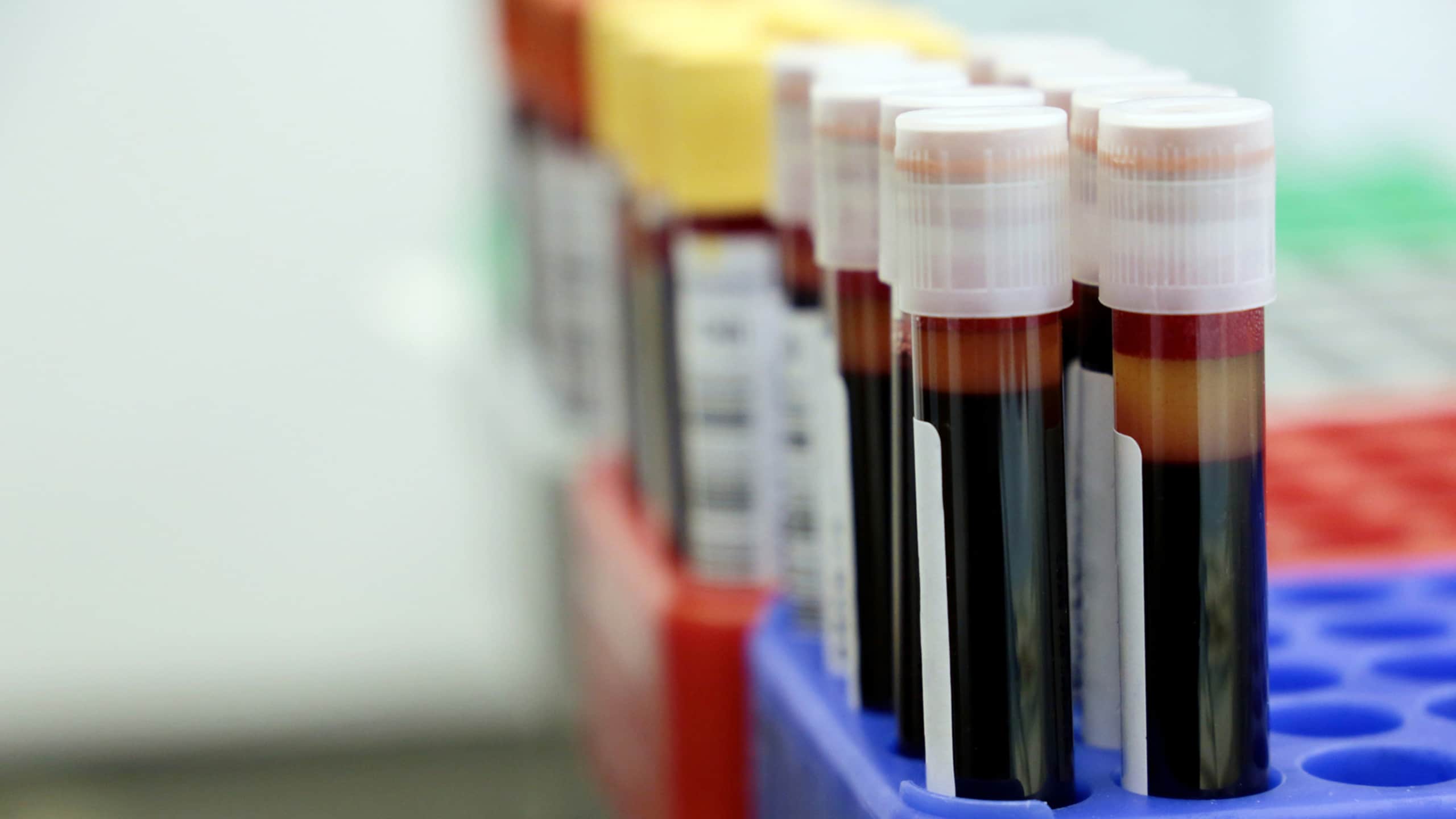
Symptoms of anemia may not show up right away. Oftentimes, people don’t realize they are anemic until they undergo routine blood tests. Some common symptoms of anemia may include fatigue, headaches, chest pain, weakness or shortness of breath. Other common symptoms, depending on the type of anemia, include cold hands or feet and pale or even in some cases, yellow skin, known as jaundice.
The most common cause of anemia is blood loss. This type of anemia occurs when loss of red blood cells through excessive bleeding is greater than the production of new red blood cells. Symptoms include dizziness, drop in blood pressure, exhaustion, shortness of breath and pale skin.
Prevention and treatment
Management of anemia depends on the type of blood disorder you have. For example, your doctor may suggest that you try to raise your hemoglobin levels through iron-rich foods or supplementation, or treat the actual cause of the anemia if it’s a disease.
There are over 400 types of anemia; each case should be handled differently depending on the cause.
Anemia from blood loss. Treatment options depend heavily on how much blood was lost. For excessive bleeding, the source of the blood loss needs to be stopped. If it cannot be stopped, blood transfusion may be necessary. The body may be able to produce enough red blood cells to make up for blood loss if it’s a small amount. In that case, taking iron supplements may be required, but again, it’s important to consult with a doctor first.
Iron deficiency anemia. For iron deficiency, adding iron-rich sources of protein such as lentils, red meat and tofu, to your diet can increase the body’s ability to produce hemoglobin (the substance that carries oxygen to the rest of the body). Foods high in iron include leafy greens like spinach and broccoli. Speak with your doctor and ask if you need to take supplements or see if you are already getting enough iron from your diet.
Anemia from red blood cell destruction. Treatment depends on what is causing the destruction. Speak with your doctor about why your red blood cell level is low and the best treatment options based on the severity of your condition.
Don’t ignore symptoms of fatigue, especially if they become recurring. Speak with a healthcare provider (HCP) to discuss the root of your anemia and the best treatment options.