5 ways to safely exercise with anemia


LearnFitnessLiving well with anemia5 ways to safely exercise with anemia

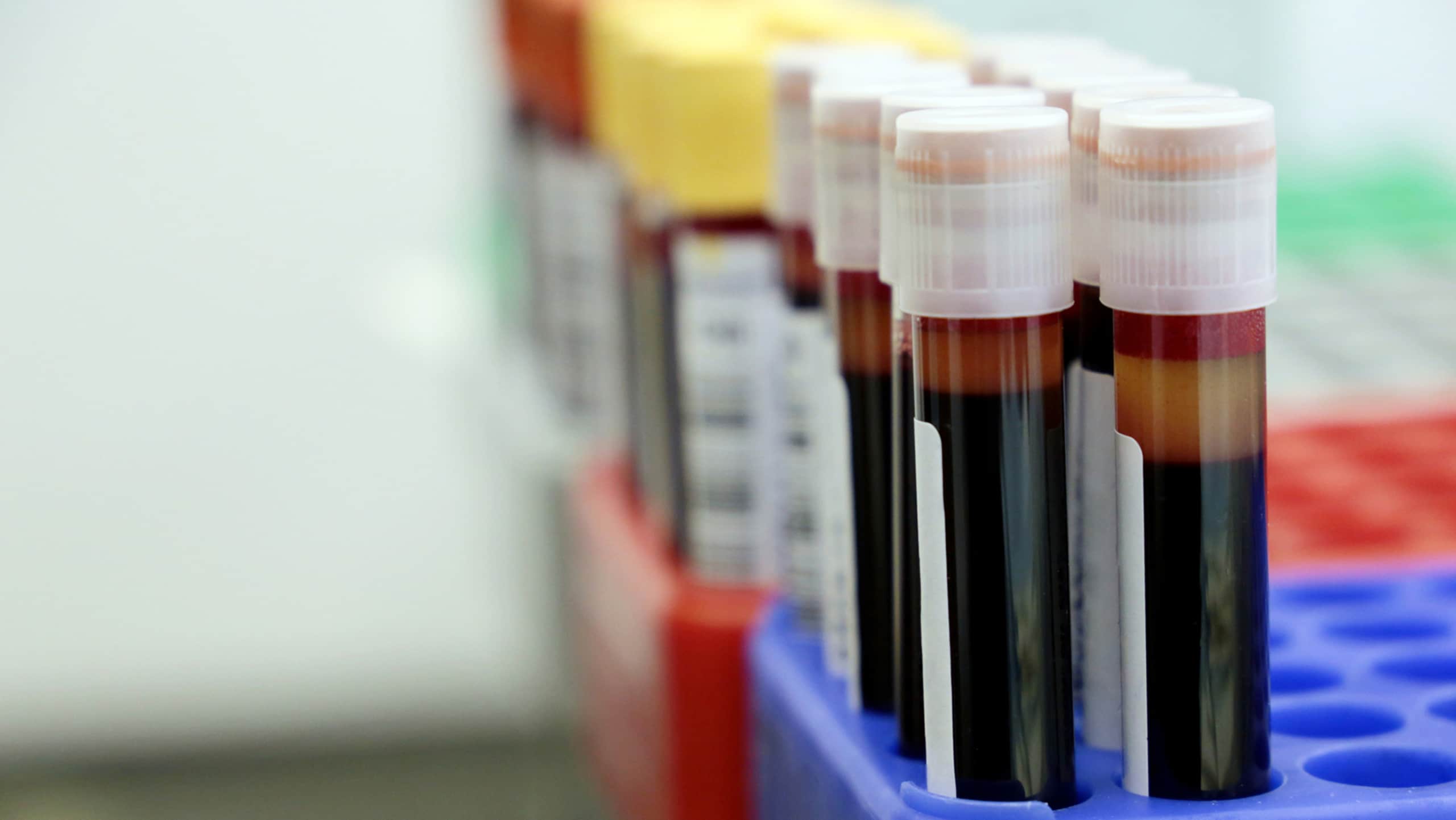
When a person is anemic, it means their blood doesn’t have enough healthy red blood cells to carry oxygen to the rest of the body. This can make it challenging to exercise.

However, working out is often possible with anemia. Take these simple precautions to maintain your fitness routine when you’re living with anemia.

Start off slow. If you have anemia, exercising too intensely too soon might leave you feeling fatigued due to a lack of oxygen circulating through your body. Start your workouts slow and progressively increase the intensity over time. Stick to lower-intensity workouts, too, like a yoga class or a walk rather than a run or HIIT (high-intensity interval training) routine.

Take breaks often. Always listen to your body. If you feel tired, pause and assess whether you can continue. Also, only do what you can. Pushing yourself to your limit is not necessary. If you feel exhausted, sit down and catch your breath. Waiting it out might be the best option.

Shorten your workouts. Any amount of exercise is better than none. Experts recommend that most healthy adults get at least 150 minutes of moderate activity or 75 minutes of intense exercise each week. Getting closer to 300 minutes of moderate exercise or 150 minutes of strenuous activity on a weekly basis, however, provides even greater health benefits.

If long or intense workouts seem daunting, just try to sit less and move more. If you have anemia, you don’t have to spend a long time on exercise for it to benefit you. Shorter workouts, such as walking around the block or climbing stairs, add up and contribute to your weekly physical activity goal.

Timing is key. Work out when you feel the most energized. For some, this means moving in the morning. For others, a late-night gym session is ideal for peak performance. Sometimes this takes trial and error, but try to figure out when you feel most invigorated.

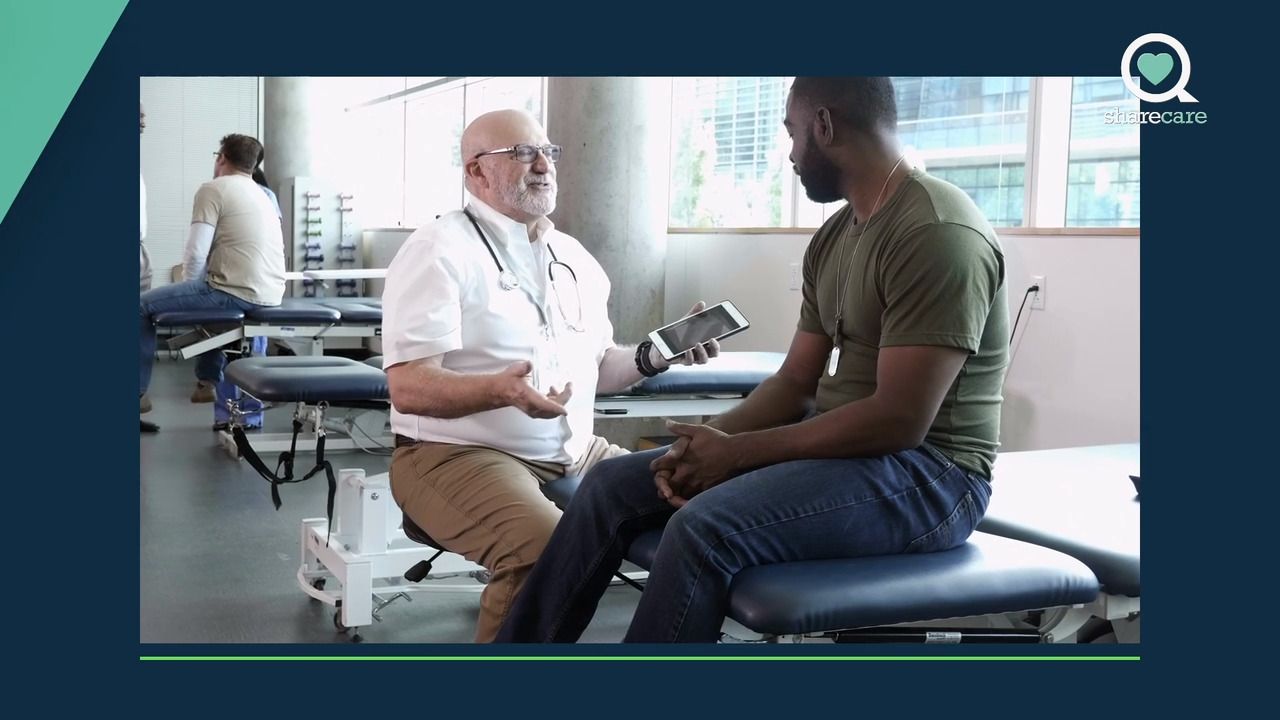
Talk to a healthcare provider. Be sure to talk to your primary care physician to ensure your workout routine is safe, and remember to always stick to the treatment plan already prescribed to you. Because there are both mild and extreme forms of anemia, you may have to change up your routine.

Exercising with anemia is possible as long you don’t overexert yourself. Listen to your body’s needs and act accordingly.

Sources: Mayo Clinic. Anemia. May 11, 2023. + 2
  1. Mayo Clinic. Anemia. May 11, 2023.
  2. Connes P, Machado R, Hue O, Reid H. Exercise limitation, exercise testing and exercise recommendations in sickle cell anemia. Clin Hemorheol Microcirc. 2011;49(1-4):151-63.
  3. U.S. Department of Health and Human Services. Physical Activity Guidelines for Americans 2nd Edition. 2018.
Written by Ediva Zanker.
Medically reviewed by Megan Burke, MD.March, 2026
Updated onAugust, 2026
Written by Ediva Zanker.
Medically reviewed by Megan Burke, MD.March, 2026
Updated onAugust, 2026

Featured content

Doctor Discussion Guide: Anemia
Interactive

Doctor Discussion Guide: Anemia

Questions to ask your doctor about iron-deficiency anemia
Article

Questions to ask your doctor about iron-deficiency anemia

Be prepared to discuss causes, symptoms and treatments for iron-deficiency anemia

Must-know anemia facts and warning signs
Article

Must-know anemia facts and warning signs

Fatigue, headaches and shortness of breath are just a few warning signs.

Can iron-deficiency anemia impact your mental health?
Article

Can iron-deficiency anemia impact your mental health?

You already know IDA can take a toll on your physical health. Learn why it may take a toll on mental health, too.

What to expect during an iron infusion
Article

What to expect during an iron infusion

Find out how iron infusions work to treat iron deficiency anemia and ways to prepare for your appointment.

Habits that help maximize your iron absorption
Article

Habits that help maximize your iron absorption

Get the most from iron-rich foods by avoiding habits that interfere with how well your body absorbs iron.

A guide to understanding your iron levels
Article

A guide to understanding your iron levels

A breakdown or iron, serum iron, ferritin, and more to help you understand the results of a blood panel.

What are the treatment options for iron-deficiency anemia?
Article

What are the treatment options for iron-deficiency anemia?

Here's what you need to know about iron supplements, lifestyle changes, and iron infusions to treat iron-deficiency anemia.

How kidney disease can lead to anemia
Article

How kidney disease can lead to anemia

Find out how a loss of kidney function can cause red blood cells to drop below healthy levels.

Menstruation, GI disorders, and iron deficiency anemia
Article

Menstruation, GI disorders, and iron deficiency anemia

How heavy menstrual periods, bleeding in the GI tract, and malabsorption can lead to iron deficiency anemia.

Everything you need to know about anemia
Video

Everything you need to know about anemia

Learn about anemia, a condition characterized by a lack of red blood cells, which results in fatigue, shortness of breath and more.

My story: Nikkie and Ida
Video

My story: Nikkie and Ida

Nikkie shares her IDA diagnosis story and the importance of seeking treatment for this type of anemia.

My story: Carolyn and Ida
Video

My story: Carolyn and Ida

Carolyn shares her IDA diagnosis story and common symptoms associated with this condition.

Managing IDA with chronic kidney disease
Video

Managing IDA with chronic kidney disease

Dr. Caudle explains how impaired kidney function can impact your red blood cell count.

My story: Julie and Ida
Video

My story: Julie and Ida

Learn how Julie took back control after a severe Crohn's flare-up sent her to the ER.

My story: Corrine and Ida
Video

My story: Corrine and Ida

Corrine's healthcare provider diagnosed the true reason she was always fatigued—iron deficiency anemia.

AskMD by Sharecare LogoAskMD by Sharecare Logo
Privacy policyConsumer health data privacyTerms of use
Cookie policyYour privacy choices

© 2026 Sharecare, Inc.

ask-mdask-md
AskMD by Sharecare LogoAskMD by Sharecare Logo
Privacy policyConsumer health data privacyTerms of use
Cookie policyYour privacy choices

© 2026 Sharecare, Inc.