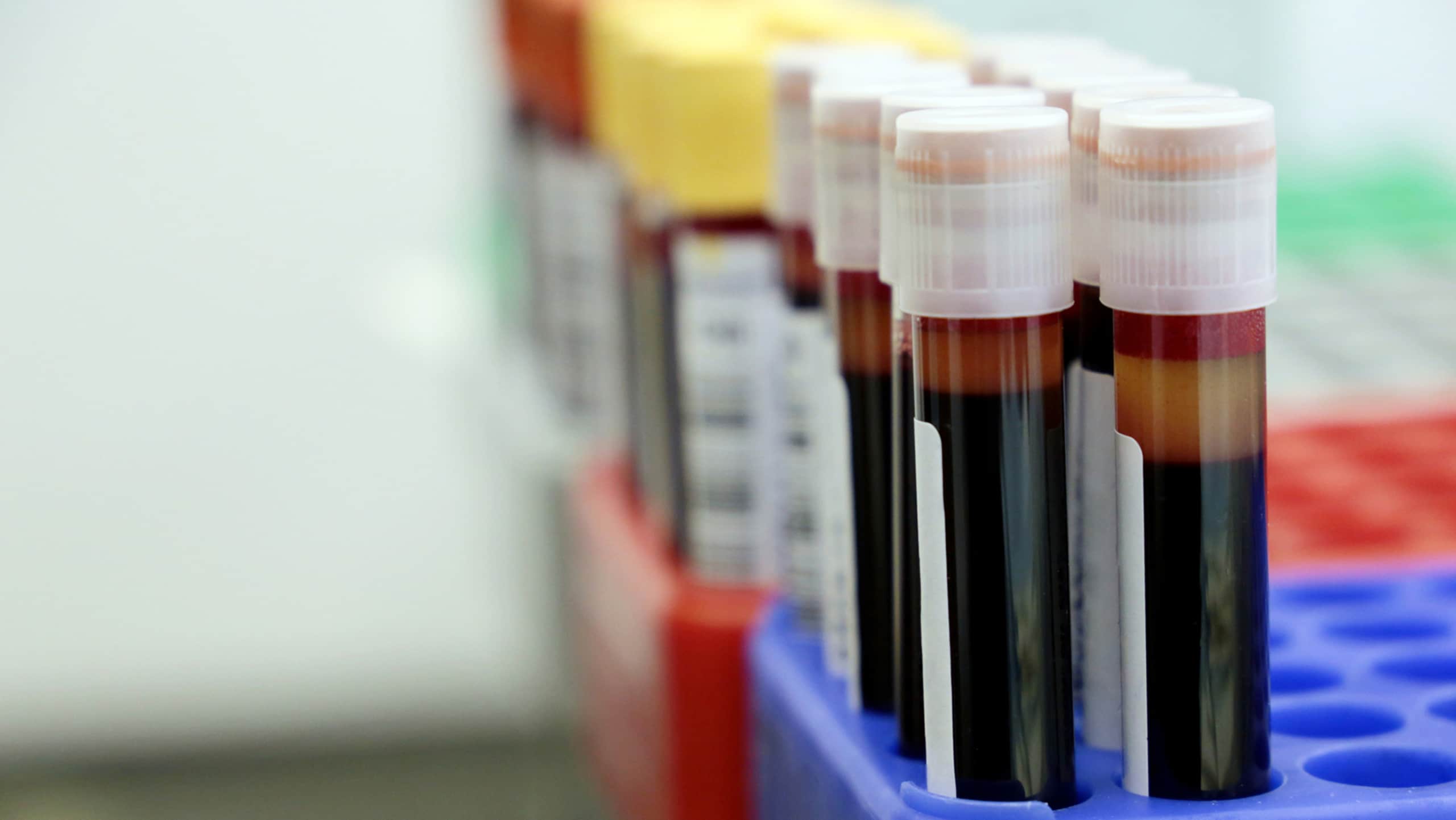


Anemia refers to a group of disorders that occur when the blood does not contain enough red blood cells, or the red blood cells it does contain do not function well. For example, red blood cells may not function well if they lack enough hemoglobin.
Hemoglobin is an iron-rich protein that binds to oxygen and enables blood to perform one of its most vital functions—transporting oxygen from the lungs to the many cells, tissues, and organs that make up the body. At the cellular level, every system in your body depends on oxygen to function normally and stay healthy.
Without enough oxygen, the body starts to work less well. You may feel fatigued, cold, out of breath, dizzy, or lightheaded—all of which are common symptoms of anemia.
Iron deficiency anemia
There are different types of anemia, and some are more common than others. The most common type of anemia is iron deficiency anemia.
Iron is a mineral that is one of the main components of hemoglobin. When iron levels become too low, hemoglobin levels become too low, and the number of healthy red blood cells eventually becomes too low. (Keep in mind that this is a simple explanation of a complex process.)
Heavy menstrual periods
Blood loss is the most common cause of iron deficiency anemia. This includes blood loss due to heavy menstrual periods. According to the U.S. Office on Women’s Health, up to 5 percent of women of childbearing age develop iron deficiency anemia for this reason.
Pregnancy can also cause low iron levels, as more iron is needed to support the development of a baby in utero. Being anemic during pregnancy also increases a woman’s risk of postpartum hemorrhage (heavy bleeding after giving birth), which in itself can cause or worsen anemia.
Iron deficiency anemia is also more common in athletes, especially female endurance athletes.
GI bleeding and malabsorption
Numerous underlying causes of iron deficiency anemia begin in the gastrointestinal (GI) tract (also known as the digestive tract).
These include conditions and disorders that cause bleeding in the GI tract, such as peptic ulcers, diverticular disease, inflammatory bowel disease, damage to the esophagus, and cancers. Any disorder that causes bleeding in the GI tract is a serious risk to a person’s health and requires immediate treatment.
Conditions that cause malabsorption can also cause iron deficiency anemia. Malabsorption means that the body is unable to properly absorb nutrients from food, including iron.
One example is celiac disease, an autoimmune disease that causes damage to the small intestine—including cells that are needed to absorb iron. Inflammatory bowel disease can also cause damage to the GI tract and result in malabsorption. Malabsorption can also occur as a side effect of bariatric surgery (weight loss surgery).
Getting a diagnosis—and treatment
This is not a comprehensive list of the causes and potential contributing factors associated with iron deficiency anemia. There are many others. For example, iron deficiency anemia is a common complication of chronic kidney disease, a serious medical condition where the kidneys gradually stop working.
Identifying what is causing iron deficiency is essential to getting appropriate treatment, and a treatment plan must prioritize treating and addressing the cause of iron deficiency anemia.
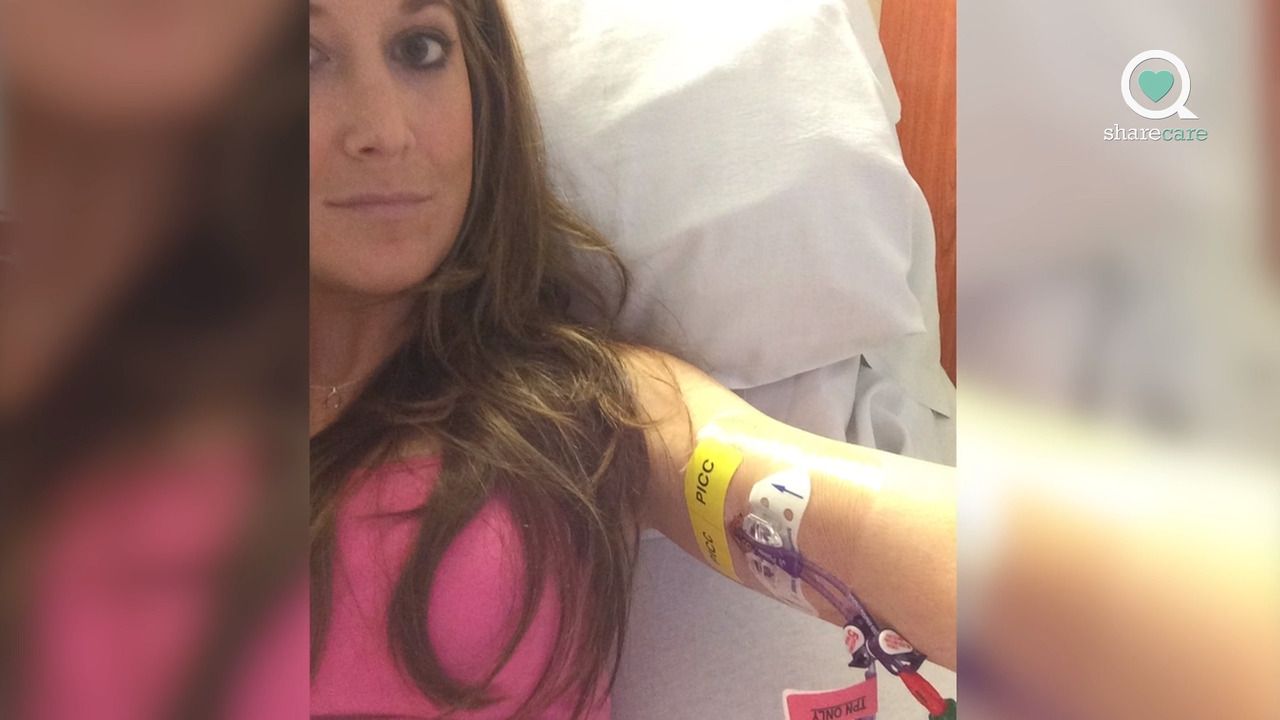
A treatment plan will also focus on restoring your iron levels. This will involve oral iron supplements (commonly called iron pills) or iron infusions (where an iron-containing solution is administered into the bloodstream with an IV). It may also involve eating more iron-rich foods.
The underlying cause of iron deficiency anemia is something to consider when choosing a therapy to restore iron levels. Though iron pills are effective and inexpensive, infusions may be a better choice for many people, including people with GI disorders, people who are pregnant, and people whose iron levels are severely low.
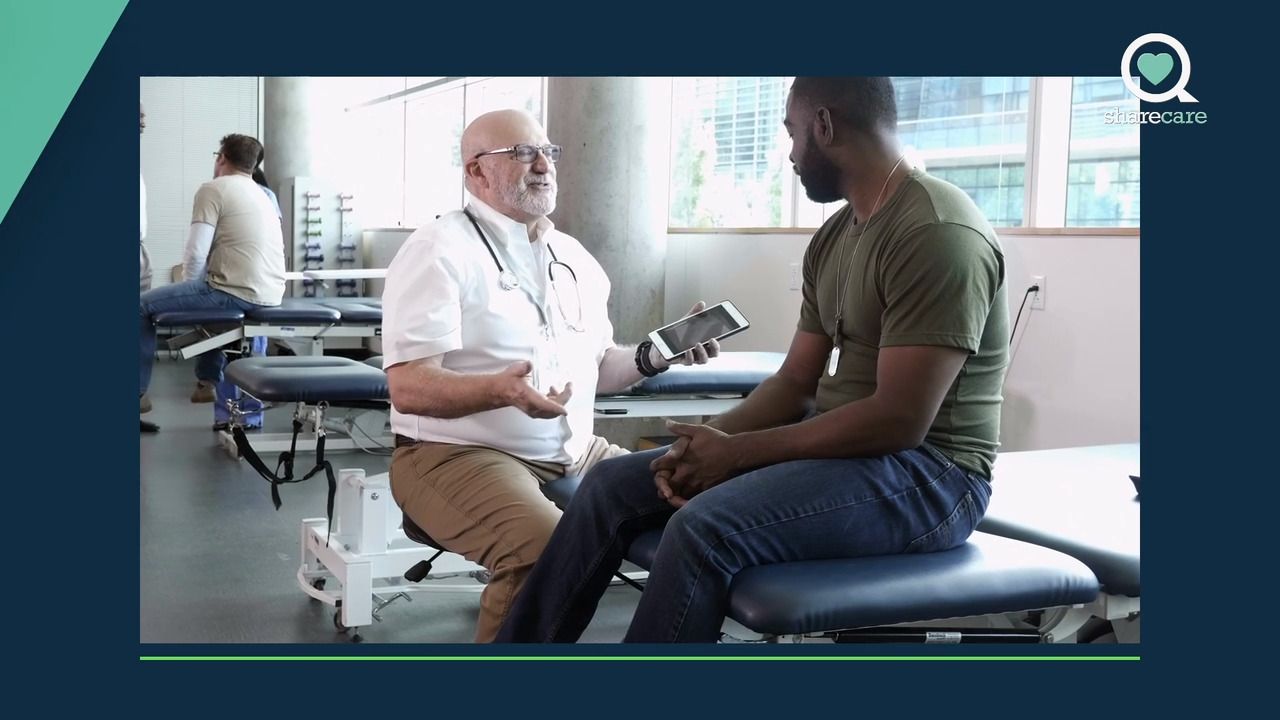
There are multiple types of medications—both iron pills and infusions—which means people with iron deficiency anemia have a choice of treatment options. Your best course of action for choosing a treatment will be to work with your healthcare provider, who will be your best source of information.
Sources: MedlinePlus. Anemia. + 18
- MedlinePlus. Anemia.
- Hematology.org. Anemia.
- MedlinePlus. Hemoglobin.
- Cleveland Clinic. Low Hemoglobin.
- Harvard T.H. Chan School of Public Health. Iron.
- Office of Women's Health. Iron-deficiency anemia.
- Hematology.org. Anemia and Pregnancy.
- UpToDate. Patient education: Anemia caused by low iron in adults (Beyond the Basics).
- Ann Evensen, Janice M. Anderson, and Patricia Fontaine. Postpartum Hemorrhage: Prevention and Treatment. American Family Physician, 2017. Vol. 95, No. 7.
- Terence T. Lao, Lulu L. Wong, Shuk Yi Annie Hui, and Daljit S. Sahota. Iron Deficiency Anaemia and Atonic Postpartum Haemorrhage Following Labour. Reproductive Sciences, 2022. Vo. 29.
- Mayo Clinic. Gastrointestinal bleeding.
- National Heart, Lung, and Blood Institute. Iron-Deficiency Anemia.
- National Institute of Diabetes and Digestive and Kidney Diseases. Definition & Facts for Celiac Disease.
- Hugh James Freeman. Iron deficiency anemia in celiac disease. World Journal of Gastroenterology, 2015. Vol. 21, No. 31.
- Crohn's & Colitis Foundation. Malnutrition and IBD.
- National Institute of Diabetes and Digestive and Kidney Diseases. Anemia in Chronic Kidney Disease.
- Marci A. Goolsby and Heidi Skolnik. What Female Athletes Should Know about Iron Deficiency. HSS. August 17, 2021.
- Cleveland Clinic. Intravenous Iron Supplementation.
- Christina Aungst. What to Know About Iron Infusions for Iron Deficiency Anemia. GoodRx Health. January 14, 2022.