Iron-deficiency anemia (IDA) occurs when your body does not have enough of the mineral iron to support good health and normal function. Iron is an important component of many proteins and enzymes, including hemoglobin, a protein in red blood cells needed to carry oxygen molecules throughout the body.
IDA can often be treated by increasing your intake of iron-rich foods and/or taking iron supplements, which should always be done under the guidance of a healthcare provider (HCP).
However, if iron deficiency is very severe or if a person is unable to tolerate iron supplements, it may be treated with iron infusions.
What is an iron infusion?
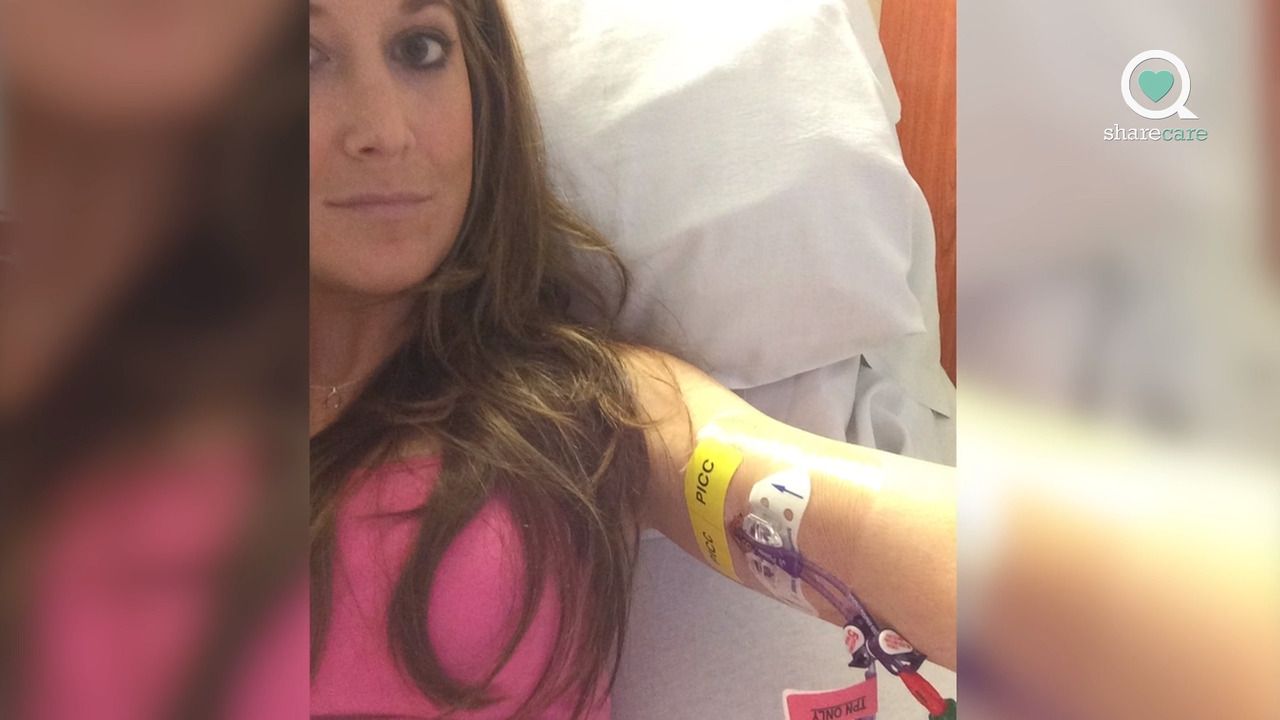
During an iron infusion, a fluid containing iron is administered through an IV. It goes directly into a vein and into the bloodstream, using a needle and a small, flexible tube called a catheter. This increases the levels of iron and hemoglobin in the body. This procedure usually takes place at an infusion center.
What happens during an iron infusion?
The infusion is given while you are sitting or lying down. An HCP inserts the catheter into a vein using a needle, usually in your arm or hand. You might feel a slight pinch when the needle goes in.
Your HCP will then remove the needle, leaving the catheter in your vein. The catheter is attached to a long tube, which is connected to an IV bag filled with the iron-containing solution. This apparatus uses gravity to slowly drip the solution into the tube and into the vein.
Before the iron infusion begins, you may be given a test dose to ensure you’re tolerating the iron well. Most people who receive iron infusions experience minimal side effects or no side effects at all.
If you do not have any adverse or unanticipated reactions, the remaining iron will be administered and you’ll continue to be monitored.
The week before the infusion
If you take oral iron supplements, your HCP will likely tell you to stop during the week leading up to the infusion. The supplements may prevent your body from efficiently absorbing the iron given during the infusion.
Additionally, tell your HCPs about all other medications you take—including prescription medications, herbal supplements, and over-the-counter medications—and ask whether you need to pause any of them.
Preparing for your iron infusion
It’s normal to feel a bit nervous about having a medical procedure. Talk to your HCP beforehand. They can answer questions and walk you through the process.
Here are some tips that can help you have a positive experience.
- Block off time in your schedule. Since the iron drips into your veins slowly to help you tolerate it better, the entire process typically takes 15 to 60 minutes.
- Eat a nourishing meal. There’s no need to fast, and in fact it’s important to eat a balanced meal beforehand.
- Drink plenty of water. In the days leading up to your iron infusion, be sure to drink plenty of water. This will make it easier for the HCP to find your vein when inserting the IV needle. It’s also a good idea to sip water throughout the procedure.
- Wear comfortable clothing. You’ll want to be as relaxed as possible, as you may be sitting or lying down for quite some time. Choose clothes that are loose and non-constricting. Be sure to wear a shirt that’s short-sleeved or that has sleeves that can easily roll up.
- Bring some entertainment. Keeping your mind occupied and calm will help pass the time. Take something to watch, read, or listen to.
What can you expect after an iron infusion?
Most people can resume activities following an iron infusion, but it’s possible you may experience some side effects for one or two days afterward.
Most side effects are mild and may include a headache, nausea, a metallic taste in your mouth, or muscle and joint pain. If you experience chest pain, dizziness, swelling in the mouth, or difficulty breathing, seek medical attention immediately.
How many iron infusions will you need?
Ideally, IDA symptoms will start to resolve as the amount of iron in your blood increases. This can take several weeks. Your HCP will regularly check your iron levels to ensure the iron infusions are working.
Sources: Mayo Clinic. Iron deficiency anemia. Sep... + 8
- Mayo Clinic. Iron deficiency anemia. September 20, 2025.
- National Heart, Lung, and Blood Institute. Iron-Deficiency Anemia. March 24, 2022.
- MedlinePlus. Iron deficiency anemia. April 1, 2025.
- Cleveland Clinic. Intravenous Iron Supplementation. August 30, 2023.
- Medicines Learning Portal (UK). Intravenous medicines. December 16, 2024.
- Royal Women’s Hospital (Australia). Iron Infusions. July 2018.
- MedlinePlus. Intravenous. April 1, 2025.
- Mayo Clinic. Iron Dextran (Injection Route). February 1, 2026.
- Van Doren L, Steinheiser M, et al. Expert consensus guidelines: Intravenous iron uses, formulations, administration, and management of reactions. Am J Hematol. 2024 Jul;99(7):1338-1348.