Macular degeneration: 5 healthier habits for healthier eyes


LearnEyesYour guide to managing wet age-related macular degenerationMacular degeneration: 5 healthier habits for healthier eyes
  • Quit smoking
  • Exercise
  • Wear sunglasses
  • Eat green leafy vegetables and fish
  • Keep up with appointments

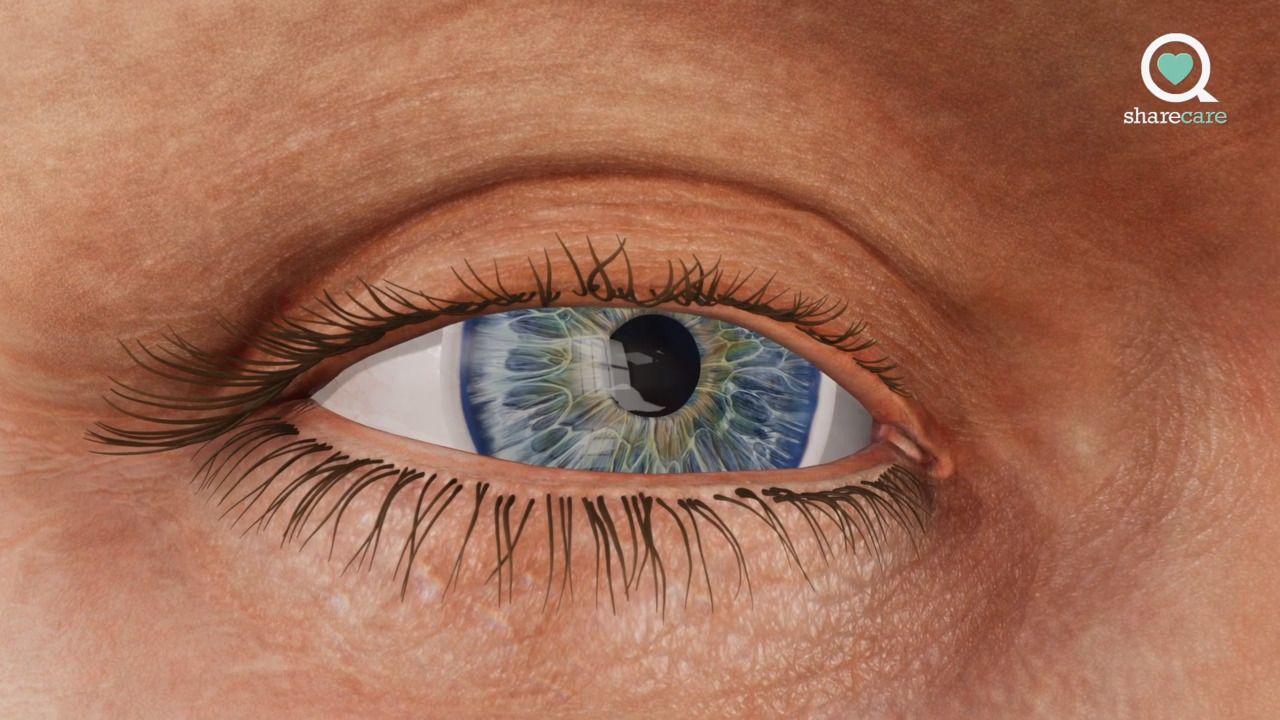
Age-related macular degeneration (AMD) is a common cause of vision loss. As the name implies, it is associated with aging, and it affects a part of the eye called the macula. The macula is the central and most sensitive part of the retina—the part of the eye that converts light into neurological signals that can be rendered into images by the brain. The macula is made up of millions of nerve cells. When these nerve cells become damaged, the eyes and brain cannot render images as clearly as they could when the eye was healthy, and vision loss occurs.

The type of vision loss associated with AMD is called central vision loss—the center of vision becomes blurred and may have blank spots, while the peripheral or outer edges of the vision remain clear. There are two types of late-stage AMD, wet and dry. With wet AMD, abnormal blood vessels develop beneath the retina and leak blood and fluid into the eye. About 10 to 20 percent of people with AMD have this type. The majority have dry AMD, where there is no leakage, but substantial vision loss can occur. While AMD does not cause complete blindness, it can cause legal blindness.

People with AMD are encouraged to make healthy lifestyle choices, which may help prevent AMD or slow the progression of vision loss. Here is a look at some steps to you can take to protect your vision from AMD.

Quit smoking

If you are a smoker, quit (and if you’re a nonsmoker, take care to avoid secondhand smoke). AMD is more common among smokers, and smokers develop AMD at younger ages than nonsmokers. People who smoke and have AMD are encouraged to quit. While quitting smoking can be very challenging, remember that there are resources to help you. Talk to your healthcare provider about nicotine replacement therapy and strategies for smoking cessation.

Exercise

AMD is less common in people who have a healthy lifestyle that includes one to two hours of low-intensity exercise per week. Exercise also protects against other diseases associated with AMD, including obesity, cardiovascular disease, high cholesterol, diabetes, and high blood pressure.

Wear sunglasses

Exposure to sunlight can damage your eyes. Protect your eyes by wearing sunglasses and brimmed hats.

Eat green leafy vegetables and fish

Eat an overall healthy diet, one that includes green leafy vegetables like kale and spinach, and fatty fish such as salmon and tuna. People with diets that include these foods are less likely to have AMD. These foods also promote overall health and eye health.

Keep up with appointments

This includes appointments with your eye doctor as well as your primary care physician, and any specialists you see to manage other health conditions. As mentioned above, diseases like obesity, high blood pressure, diabetes, and cardiovascular disease are associated with AMD. Keeping these conditions under control may help slow the progression of AMD, and are important to your overall health.

There are no known effective treatments for dry AMD, but nutritional supplements have been shown to slow progression of dry AMD for some people. They may be prescribed by a healthcare provider.

There are treatments available for wet AMD. The most common is called anti-VEGF therapy, which uses injections of drugs that slow the growth of abnormal blood vessels. Less common therapy approaches for wet AMD include photodynamic therapy and laser surgery.

Sources: InformedHealth.org [Internet]. Cologne, ... + 10
  1. InformedHealth.org [Internet]. Cologne, Germany: Institute for Quality and Efficiency in Health Care (IQWiG); 2006-. Overview: Age-related macular degeneration (AMD) [Updated 2024 Mar 25].
  2. American Academy of Ophthalmology. Age-Related Macular Degeneration. September 18, 2025
  3. Merck Manual Consumer Version. Age-Related Macular Degeneration (AMD or ARMD). April 2024.
  4. Velilla S, García-Medina JJ, et al. Smoking and age-related macular degeneration: review and update. J Ophthalmol. 2013;2013:895147.
  5. Macular Society. Smoking and sight loss. Accessed October 27, 2025.
  6. Carneiro Â, Andrade JP. Nutritional and Lifestyle Interventions for Age-Related Macular Degeneration: A Review. Oxid Med Cell Longev. 2017;2017:6469138.
  7. Zhang QY, Tie LJ, et al. Overweight, Obesity, and Risk of Age-Related Macular Degeneration. Invest Ophthalmol Vis Sci. 2016 Mar;57(3):1276-83.
  8. Pennington KL, DeAngelis MM. Epidemiology of age-related macular degeneration (AMD): associations with cardiovascular disease phenotypes and lipid factors. Eye Vis (Lond). 2016 Dec 22;3:34.
  9. He MS, Chang FL, et al. The Association Between Diabetes and Age-Related Macular Degeneration Among the Elderly in Taiwan. Diabetes Care. 2018 Oct;41(10):2202-2211.
  10. Harvard Health Publishing. 5 Ways to Protect Your Eyes from AMD. June 28, 2017
  11. Cleveland Clinic. Macular Degeneration Symptoms, Diagnosis and Treatment. February 14, 2023.
Written by Jameson Kowalczyk.
Medically reviewed by Mark Arredondo, MD.July, 2025
Updated onAugust, 2026
Written by Jameson Kowalczyk.
Medically reviewed by Mark Arredondo, MD.July, 2025
Updated onAugust, 2026
  • Quit smoking
  • Exercise
  • Wear sunglasses
  • Eat green leafy vegetables and fish
  • Keep up with appointments

Featured content

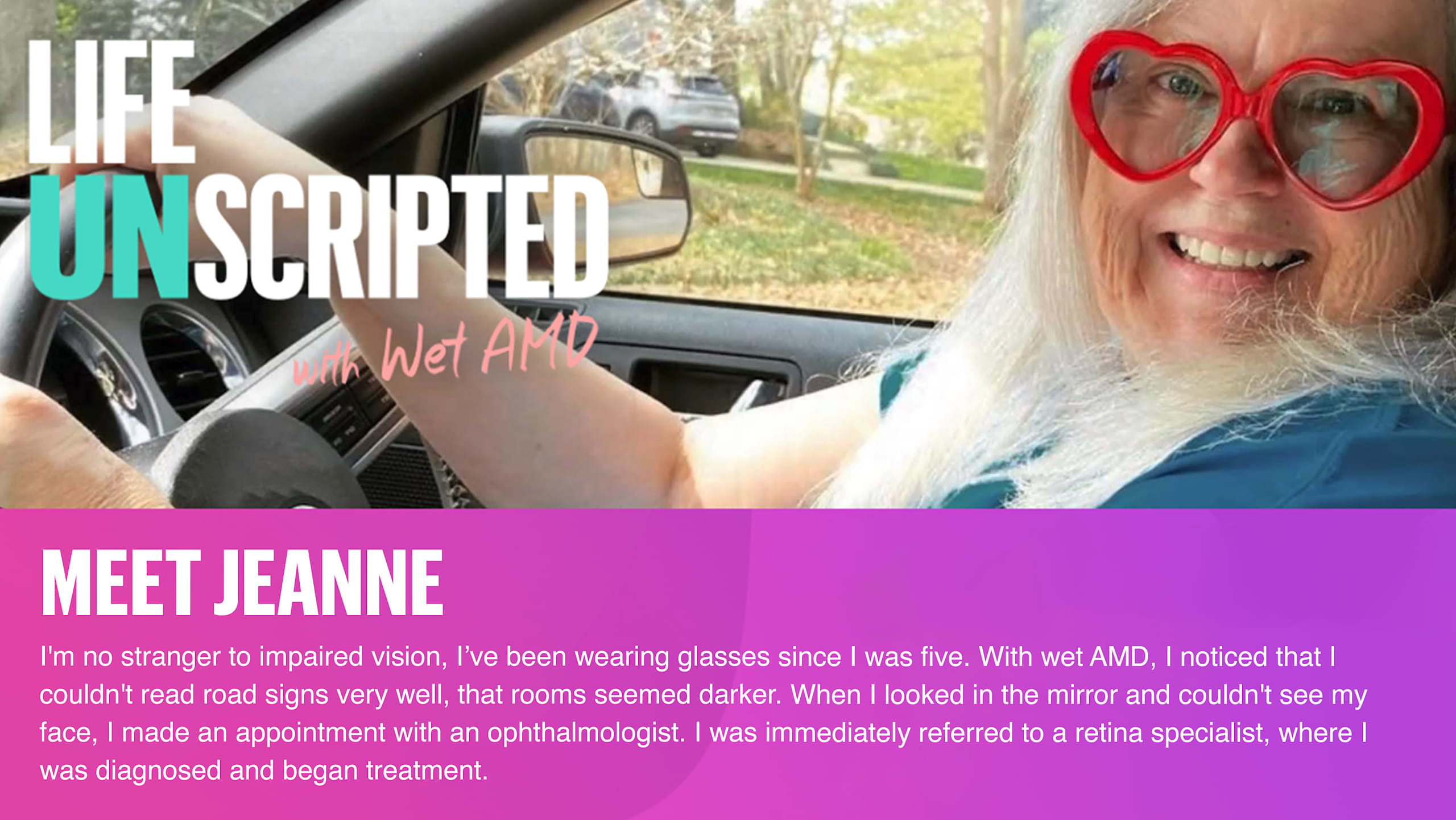
Life Unscripted With Wet AMD
Interactive

Life Unscripted With Wet AMD

Organ ID: Wet AMD
Interactive

Organ ID: Wet AMD

Cyrus the Super Cell: Wet AMD (subpage)
Interactive

Cyrus the Super Cell: Wet AMD (subpage)

AI Assistant - Wet AMD
Interactive

AI Assistant - Wet AMD

What’s the difference between wet and dry AMD?
Article

What’s the difference between wet and dry AMD?

Learn about the two main types of age-related macular degeneration.

Living with and managing age-related macular degeneration
Article

Living with and managing age-related macular degeneration

Take these steps to protect your remaining vision and cope with vision loss.

Age-related macular degeneration: tracking your symptoms
Article

Age-related macular degeneration: tracking your symptoms

Tracking your symptoms is crucial to protecting your vision when living with age-related macular degeneration.

Is there a connection between AMD and heart disease?
Article

Is there a connection between AMD and heart disease?

What we do and don’t know about the association between cardiovascular health and age-related macular degeneration.

How meditation may help you cope with wet AMD
Article

How meditation may help you cope with wet AMD

Meditation may help you reduce stress and learn new ways of managing living with central vision loss.

How can vision rehabilitation help a person with wet AMD?
Article

How can vision rehabilitation help a person with wet AMD?

Vision rehabilitation can help a person make the most of impaired vision and maintain independence.

Wet AMD: home adaptations for low vision
Article

Wet AMD: home adaptations for low vision

Strategies for safety and organization for anyone living with low vision from wet age-related macular degeneration.

How to get the most from treatment for wet AMD
Article

How to get the most from treatment for wet AMD

Strategies to help you get the best result from anti-VEGF therapy for wet age-related macular degeneration (AMD).

Strategies to ease the cost of treatment for wet AMD
Article

Strategies to ease the cost of treatment for wet AMD

If you are concerned about the out-of-pocket costs of treatment for AMD, here are three strategies to try.

AMD: talking to your provider about treatment cost
Article

AMD: talking to your provider about treatment cost

How to bring up the topic of treatment cost at your healthcare appointment for neovascular AMD.

The stages of age-related macular degeneration
Article

The stages of age-related macular degeneration

A look at the early, intermediate, and advanced stages of age-related macular degeneration, including wet AMD.

Anti-VEGF injections: 5 strategies to help you relax
Article

Anti-VEGF injections: 5 strategies to help you relax

If you are nervous about receiving an injection of anti-VEGF medication, try one—or all five—of these strategies.

3 health numbers to track if you have wet AMD
Article

3 health numbers to track if you have wet AMD

Why managing glucose levels, cholesterol, and blood pressure can make a difference when treating wet AMD.

What prevents people from receiving treatment for AMD?
Article

What prevents people from receiving treatment for AMD?

A look at common barriers to care for wet AMD, with a few ideas on what you can do to overcome these barriers.

What healthcare providers treat macular degeneration?
Article

What healthcare providers treat macular degeneration?

A guide to the healthcare providers you may work with when managing age-related macular degeneration (AMD).

Wet AMD: preparing for your eye appointments
Article

Wet AMD: preparing for your eye appointments

What to ask your eye care provider and what to share during appointments for wet age-related macular degeneration.

A virtual look at wet AMD
Video

A virtual look at wet AMD

Jen Caudle, DO explains how the eye works and how AMD impacts the normal functioning of the eye.

How is macular degeneration diagnosed?
Video

How is macular degeneration diagnosed?

Dr. Manvi Maker explains how macular degeneration is diagnosed.

What is macular degeneration?
Video

What is macular degeneration?

Learn more about macular degeneration from Dr. Manvi Maker.

AskMD by Sharecare LogoAskMD by Sharecare Logo
Privacy policyConsumer health data privacyTerms of use
Cookie policyYour privacy choices

© 2026 Sharecare, Inc.

ask-mdask-md
AskMD by Sharecare LogoAskMD by Sharecare Logo
Privacy policyConsumer health data privacyTerms of use
Cookie policyYour privacy choices

© 2026 Sharecare, Inc.