What healthcare providers treat macular degeneration?


LearnEyesYour guide to managing wet age-related macular degenerationWhat healthcare providers treat macular degeneration?
  • How is AMD treated?
  • What healthcare providers treat AMD?

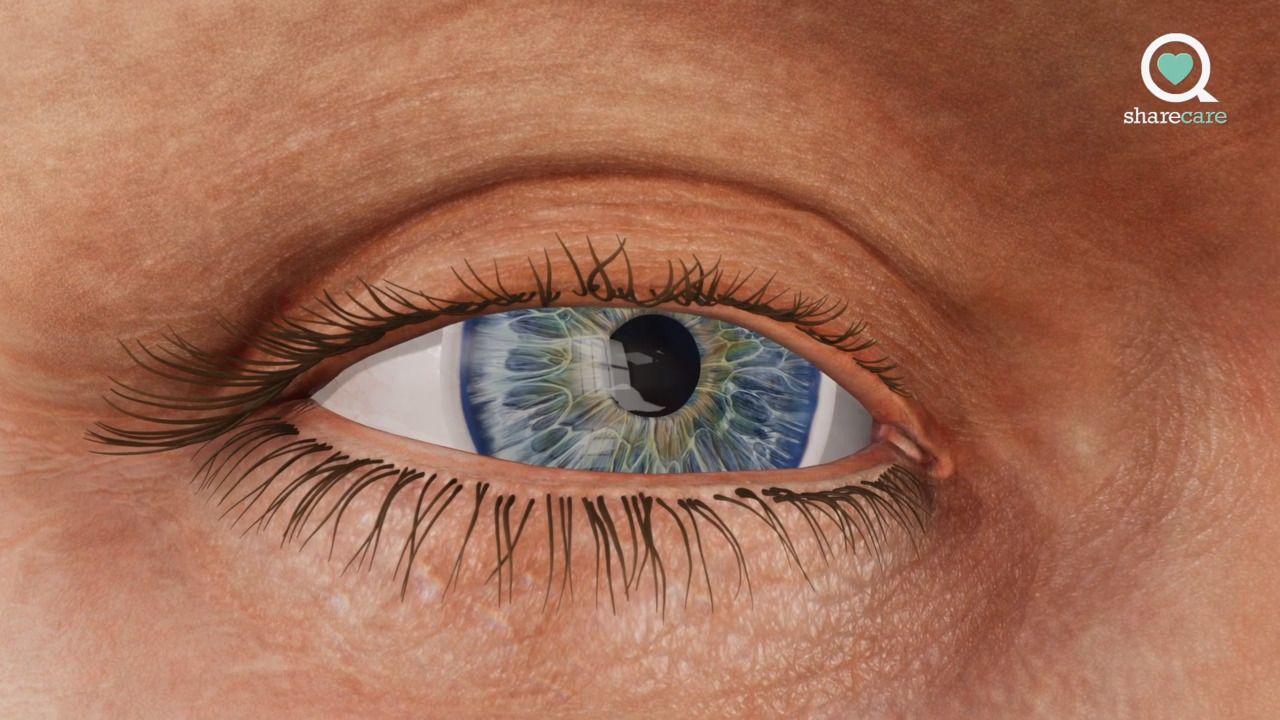
Age-related macular degeneration (AMD) is a disorder that damages the macula. The macula is a cluster of light-sensitive cells located in the back of the eyeball. The light-sensitive cells that make up the macula are called photoreceptor cells. These cells convert light that enters the eyeball into nerve signals that travel to the brain.

In other words, the macula plays a very important role in a person’s vision. Specifically, it enables central vision, the ability to focus and clearly see details directly in front of the eyes. Tasks like reading, driving, and measuring ingredients all rely on central vision.

AMD damages the macula, causing a loss of photoreceptor cells and a loss of central vision. As the name implies, age is a significant risk factor for AMD, and AMD is the leading cause of vision loss in adults over the age of 60. However, AMD can and does occur at younger ages.

How is AMD treated?

There is no cure for AMD. In the early stages of the disease, the only treatment options are steps that may help slow the progression of the disease—changes to diet, quitting smoking (for anyone who smokes), managing blood pressure and cardiovascular health, and protecting the eyes from sunlight.

The advanced stages of the disease are called wet AMD and geographic atrophy:

  • Wet AMD involves the growth of new, abnormal blood vessels in the eye, which leak fluid and cause more severe and more rapid vision loss.
  • Geographic atrophy is characterized by patches of dead photoreceptor cells that grow in size over time.

There are medications available for both wet AMD and geographic atrophy, which are given as injections into the eye. These medications can help slow the progression of damage and vision loss.

What healthcare providers treat AMD?

A person may work with several different healthcare providers when treating AMD. Here is a quick guide to who those healthcare providers are and where they fit into a treatment plan for AMD:

Ophthalmologist

An ophthalmologist is a medical doctor that specializes in diseases and conditions that affect the eye. This is typically the provider that oversees treatment for AMD. For anyone being treated for an advanced form of AMD, an ophthalmologist will be the provider who administers injections of medications into the eye. In many cases, AMD is treated by a retina specialist, an ophthalmologist with specialized training in diseases that affect the retina (the part of the eye that contains the macula).

Optometrist

An optometrist is a healthcare provider who performs eye exams and prescribes eyeglasses. Because eye exams include tests to check for signs of AMD, in many cases an optometrist will be the first healthcare provider a person talks to about signs and symptoms, and will be the provider who writes a referral to an ophthalmologist.

Low vision specialist

Low vision rehabilitation is a supportive treatment for AMD and vision loss. A low vision specialist will assess a person’s vision and needs. They will recommend ways to make the most of vision that has been impaired, such as the use of assistive devices, changing the lighting in a home, and adapting to other areas of day-to-day functioning. A program may also include counseling and social support.

Primary care provider

A primary care provider is the healthcare provider a person sees for preventive care and common health concerns. Primary care providers also make referrals to specialists that treat more specific health concerns, and coordinate care among the different healthcare providers a person is working with. People with AMD should work with a primary care provider to manage overall health and other health concerns. This may include health concerns that are related to AMD, such as managing cholesterol and blood pressure.

Sources: MedlinePlus. Macular Degeneration. + 18
  1. MedlinePlus. Macular Degeneration.
  2. American Academy of Ophthalmology. Macula.
  3. American Academy of Ophthalmology. Photoreceptors.
  4. New York Presbyterian Health Library. Central Vision.
  5. Centers for Disease Control and Prevention. Prevalence Estimate for Age-Related Macular Degeneration (AMD).
  6. National Eye Institute. Age-Related Macular Degeneration (AMD).
  7. NYU Langone. Lifestyle Changes for Macular Degeneration.
  8. Cleveland Clinic. Wet Macular Degeneration.
  9. Brad H. Feldman, Vinay A. Shah, et al. Age-Related Macular Degeneration. American Academy of Ophthalmology EyeWiki. September 2, 2024.
  10. Cleveland Clinic. Geographic Atrophy.
  11. American Macular Degeneration Foundation. What Kind of Doctor Do I Need to See.
  12. Cleveland Clinic. Ophthalmologist.
  13. Kierstan Boyd. Eye Injections. American Academy of Ophthalmology. August 26, 2022.
  14. Cleveland Clinic. Retina Specialist.
  15. Cleveland Clinic. Optometrist.
  16. Prevent Blindness Living Well With Low Vision. What Is Low Vision Rehabilitation?
  17. MedlinePlus Medical Encyclopedia. Choosing a primary care provider.
  18. Agency for Healthcare Research and Quality. Care Coordination.
  19. Cedars Sinai. Age-Related Macular Degeneration (AMD).
Written by Jameson Kowalczyk.
Medically reviewed by Mark Arredondo, MD.November, 2024
Updated onJuly, 2026
Written by Jameson Kowalczyk.
Medically reviewed by Mark Arredondo, MD.November, 2024
Updated onJuly, 2026
  • How is AMD treated?
  • What healthcare providers treat AMD?

Featured content

Life Unscripted With Wet AMD
Interactive

Life Unscripted With Wet AMD

Organ ID: Wet AMD
Interactive

Organ ID: Wet AMD

Cyrus the Super Cell: Wet AMD (subpage)
Interactive

Cyrus the Super Cell: Wet AMD (subpage)

AI Assistant - Wet AMD
Interactive

AI Assistant - Wet AMD

Macular degeneration: 5 healthier habits for healthier eyes
Article

Macular degeneration: 5 healthier habits for healthier eyes

Adopting these health lifestyle choices may help slow the progression of age-related macular degeneration.

What’s the difference between wet and dry AMD?
Article

What’s the difference between wet and dry AMD?

Learn about the two main types of age-related macular degeneration.

Living with and managing age-related macular degeneration
Article

Living with and managing age-related macular degeneration

Take these steps to protect your remaining vision and cope with vision loss.

Age-related macular degeneration: tracking your symptoms
Article

Age-related macular degeneration: tracking your symptoms

Tracking your symptoms is crucial to protecting your vision when living with age-related macular degeneration.

Is there a connection between AMD and heart disease?
Article

Is there a connection between AMD and heart disease?

What we do and don’t know about the association between cardiovascular health and age-related macular degeneration.

How meditation may help you cope with wet AMD
Article

How meditation may help you cope with wet AMD

Meditation may help you reduce stress and learn new ways of managing living with central vision loss.

How can vision rehabilitation help a person with wet AMD?
Article

How can vision rehabilitation help a person with wet AMD?

Vision rehabilitation can help a person make the most of impaired vision and maintain independence.

Wet AMD: home adaptations for low vision
Article

Wet AMD: home adaptations for low vision

Strategies for safety and organization for anyone living with low vision from wet age-related macular degeneration.

How to get the most from treatment for wet AMD
Article

How to get the most from treatment for wet AMD

Strategies to help you get the best result from anti-VEGF therapy for wet age-related macular degeneration (AMD).

Strategies to ease the cost of treatment for wet AMD
Article

Strategies to ease the cost of treatment for wet AMD

If you are concerned about the out-of-pocket costs of treatment for AMD, here are three strategies to try.

AMD: talking to your provider about treatment cost
Article

AMD: talking to your provider about treatment cost

How to bring up the topic of treatment cost at your healthcare appointment for neovascular AMD.

The stages of age-related macular degeneration
Article

The stages of age-related macular degeneration

A look at the early, intermediate, and advanced stages of age-related macular degeneration, including wet AMD.

Anti-VEGF injections: 5 strategies to help you relax
Article

Anti-VEGF injections: 5 strategies to help you relax

If you are nervous about receiving an injection of anti-VEGF medication, try one—or all five—of these strategies.

3 health numbers to track if you have wet AMD
Article

3 health numbers to track if you have wet AMD

Why managing glucose levels, cholesterol, and blood pressure can make a difference when treating wet AMD.

What prevents people from receiving treatment for AMD?
Article

What prevents people from receiving treatment for AMD?

A look at common barriers to care for wet AMD, with a few ideas on what you can do to overcome these barriers.

Wet AMD: preparing for your eye appointments
Article

Wet AMD: preparing for your eye appointments

What to ask your eye care provider and what to share during appointments for wet age-related macular degeneration.

A virtual look at wet AMD
Video

A virtual look at wet AMD

Jen Caudle, DO explains how the eye works and how AMD impacts the normal functioning of the eye.

How is macular degeneration diagnosed?
Video

How is macular degeneration diagnosed?

Dr. Manvi Maker explains how macular degeneration is diagnosed.

What is macular degeneration?
Video

What is macular degeneration?

Learn more about macular degeneration from Dr. Manvi Maker.

AskMD by Sharecare LogoAskMD by Sharecare Logo
Privacy policyConsumer health data privacyTerms of use
Cookie policyYour privacy choices

© 2026 Sharecare, Inc.

ask-mdask-md
AskMD by Sharecare LogoAskMD by Sharecare Logo
Privacy policyConsumer health data privacyTerms of use
Cookie policyYour privacy choices

© 2026 Sharecare, Inc.