
Whether you’ve just been diagnosed with endometriosis or have been living with it for years, you may be wondering if there is anything you can do at home to get relief from pain and other endometriosis symptoms.
Millions of people worldwide live with endometriosis, and while it may seem counterproductive to hit the gym when you’re in pain, research suggests exercise may be effective at managing stress, releasing endorphins, and reducing endometriosis-related pelvic pain. Below are just three of the ways exercise can relieve symptoms associated with endometriosis and how working out may help you find relief and peace of mind.
Managing stress
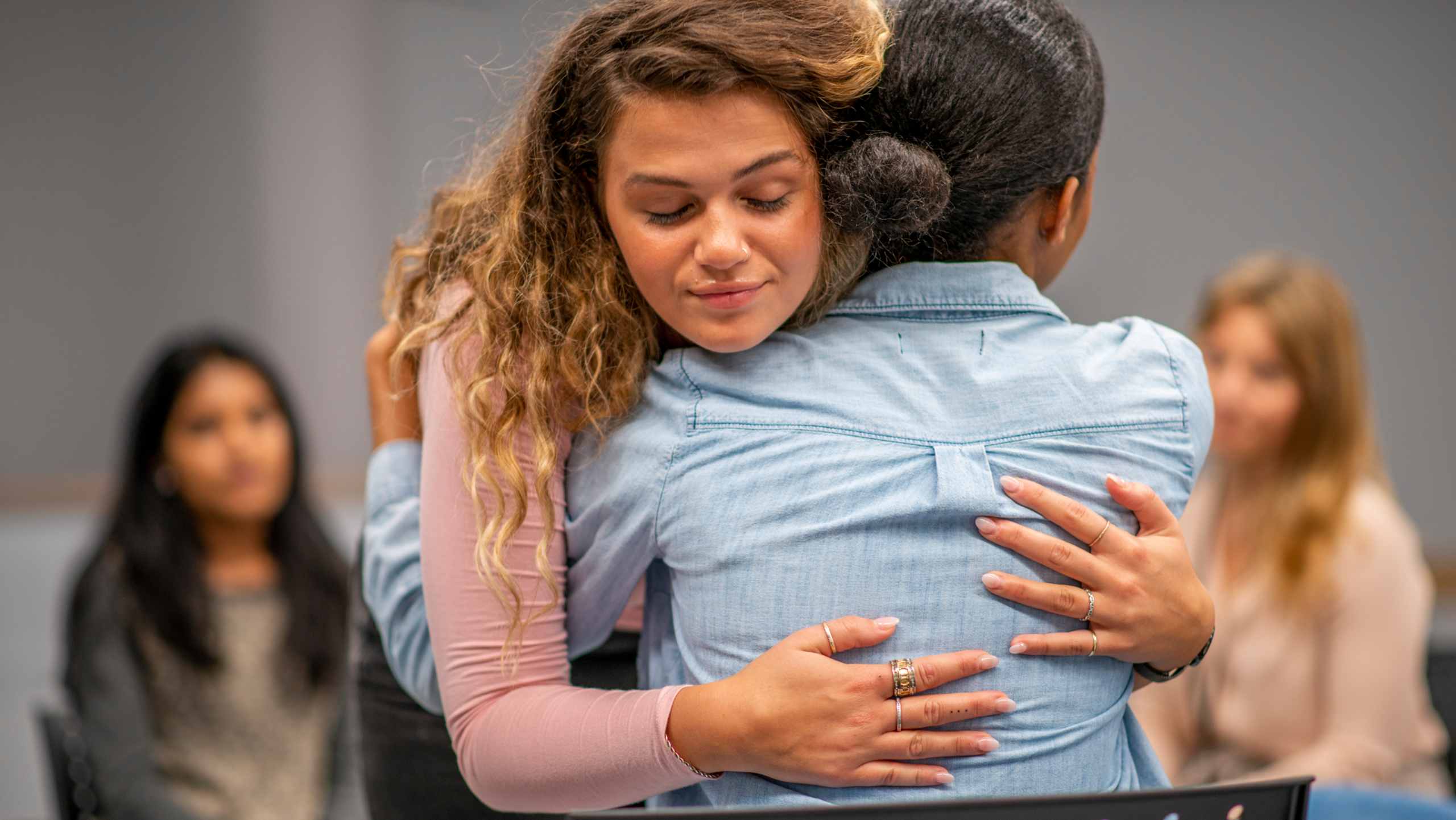
Endometriosis is stressful and can lead to missed days of school, loss of work productivity, pain with sex, and discomfort with bowel movements and urination. It can put a strain on healthy relationships, disrupt daily life, and make you feel isolated and misunderstood by those around you. People with endometriosis are more likely to experience depression and anxiety than those without the disease.
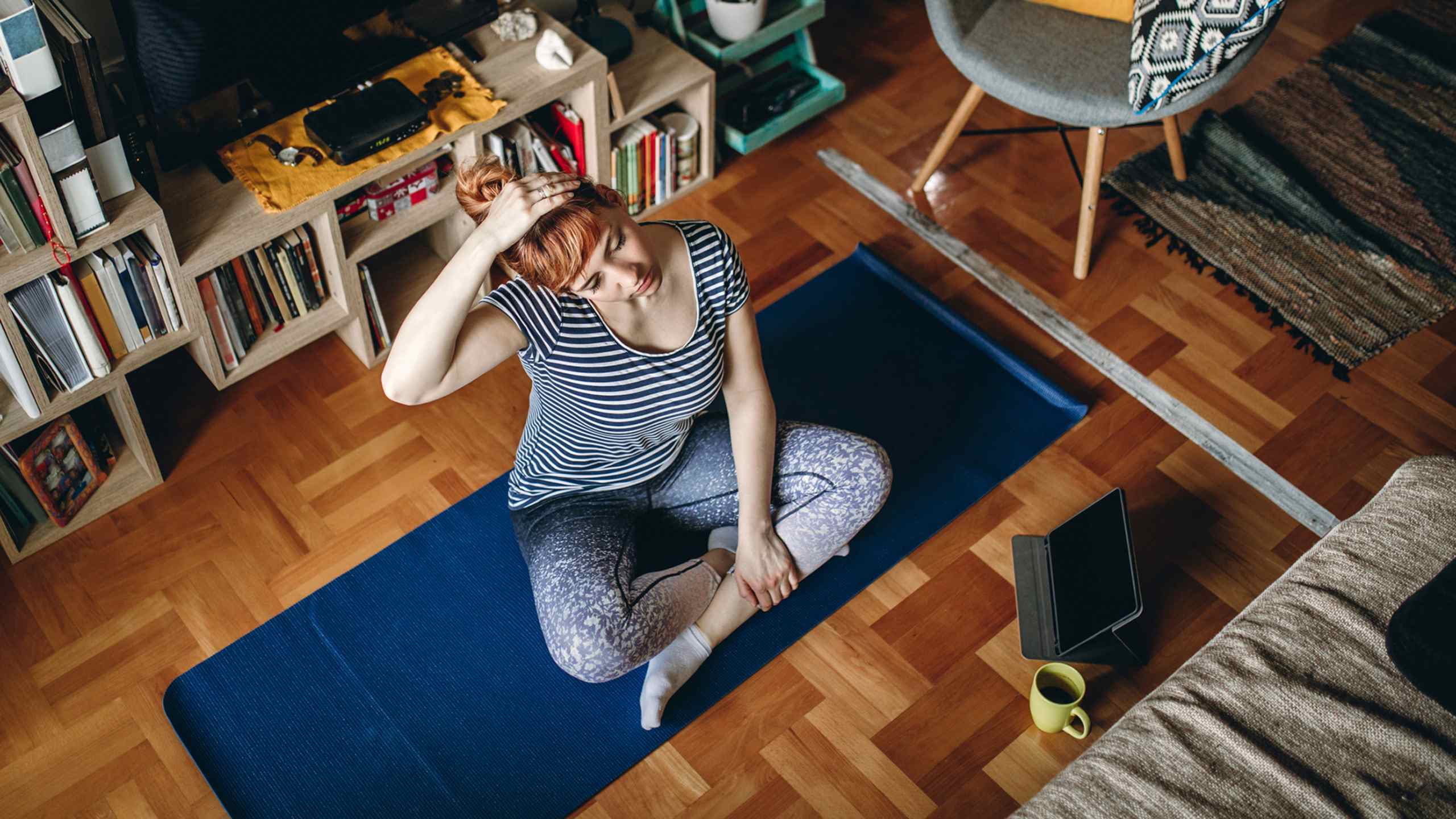
Regular exercise can help protect individuals against the negative consequences of stress, both physical and mental. Physical activity can help you relax, improve your mood, and increase self-confidence. Even on days when you feel it’s near-impossible to get out of bed and do a full workout, you can try something simpler like low-impact stretching exercises or a walk around the neighborhood.
Releasing endorphins
Some days, it’s difficult to drag ourselves to the gym, but it can reward both your body and mind. Exercise causes the body to release chemicals, called endorphins, that act as natural painkillers and may help reduce discomfort and stress. Along with other neurochemicals, elevated levels of endorphins in the body play a role in exercise-induced euphoria and improving mood.
You might feel better after a light jog in the park, while someone else may need an intense group cycling session for a mood boost. Try some group fitness classes such as like yoga, tai chi, or boxing, or reach out to a certified personal trainer to get a feel for what type of workouts suit you best.
Reducing pain
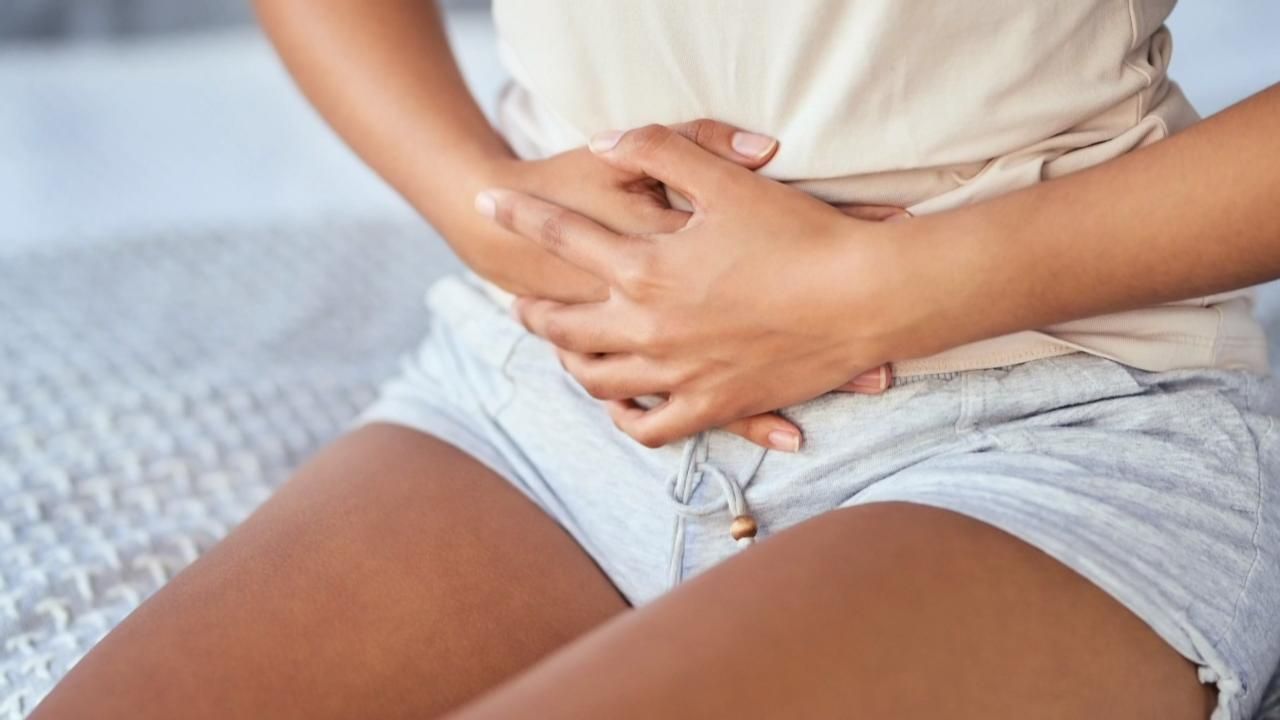
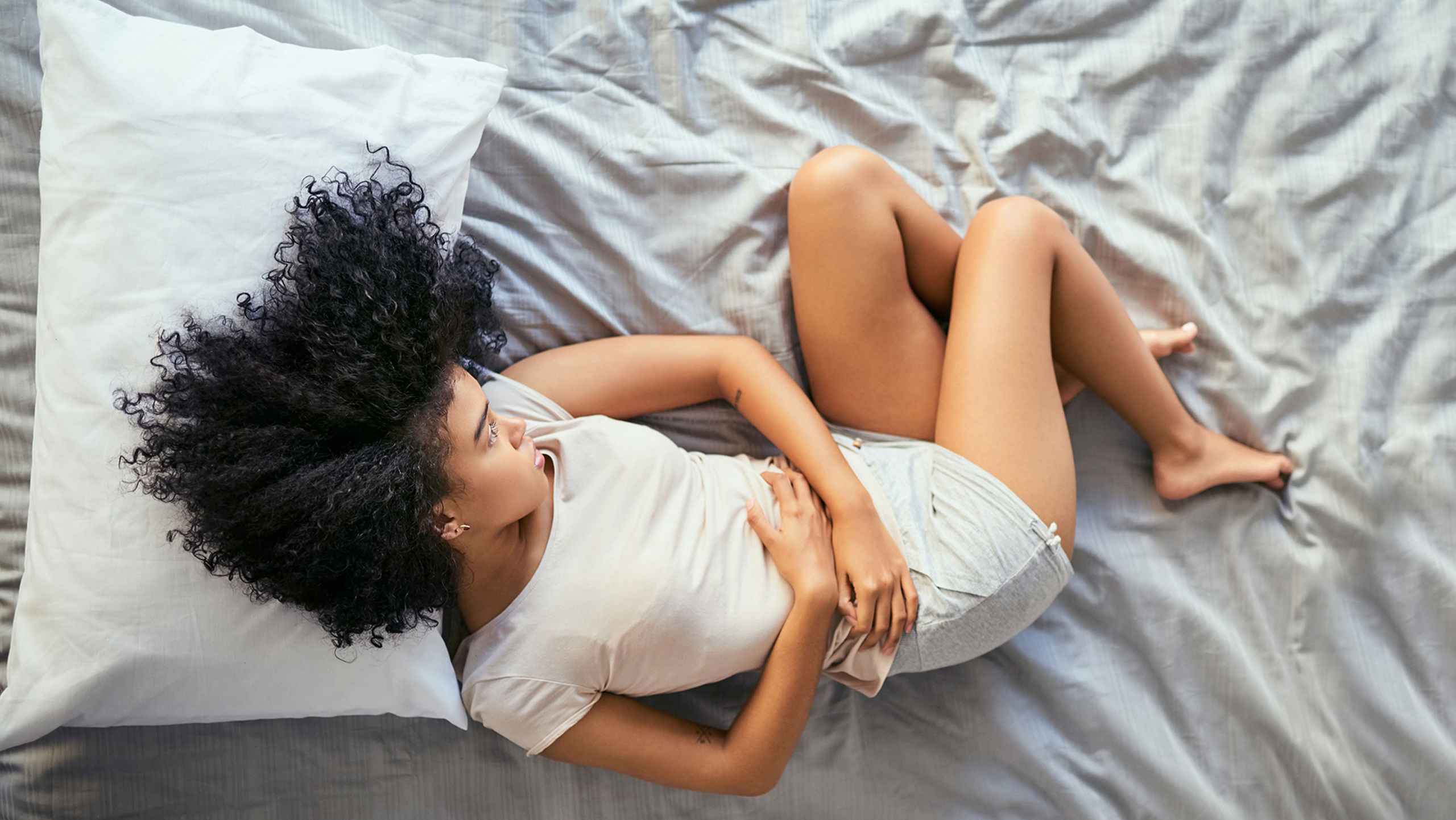
Many people diagnosed with endometriosis live with chronic pelvic pain, often presenting during their periods. For some, regular exercise can alleviate abdominal and lower back pain associated with endometriosis and reduce the need for pain medications. It’s difficult to predict how daily workouts will affect you and your body, so start slowly and allow yourself to adjust and avoid injury.
In addition to reducing pain, managing stress, and boosting overall well-being, exercise can increase energy levels, help with sleep, and improve circulation.
Endometriosis affects every person differently, and there is not a one-size-fits-all treatment that will work for everyone. Before starting or changing your workout routine, talk with your healthcare provider, who can recommend the right type and amount of exercise for you.
Sources: World Health Organization. Endometriosis... + 6
- World Health Organization. Endometriosis. Published March 31, 2021.
- Ensari I, Lipsky-Gorman S, et al. Associations between physical exercise patterns and pain symptoms in individuals with endometriosis: a cross-sectional mHealth-based investigation. BMJ Open. 2022;12(7):e059280.
- MedlinePlus. Endometriosis. Last updated March 7, 2022.
- Casalechi M, Vieira-Lopes M, et al. Endometriosis and related pelvic pain: association with stress, anxiety and depressive symptoms. Minerva Obstetrics and Gynecology. 2021;73(3).
- Mayo Clinic. Exercise and stress: Get moving to manage stress. Last updated August 2, 2022. Published August 18, 2020.
- Muharam R, Amalia T, Pratama G, et al. Chronic Pelvic Pain in Women with Endometriosis is Associated with Psychiatric Disorder and Quality of Life Deterioration. International Journal of Women’s Health. 2022;Volume 14:131-138.
- Mayo Clinic. Endometriosis - Symptoms and causes. Published July 24, 2018.