3 challenges of treating psoriasis in sensitive places


LearnSkinLiving well with psoriasis3 challenges of treating psoriasis in sensitive places
  • Irritation
  • Sensitive skin
  • Embarrassment

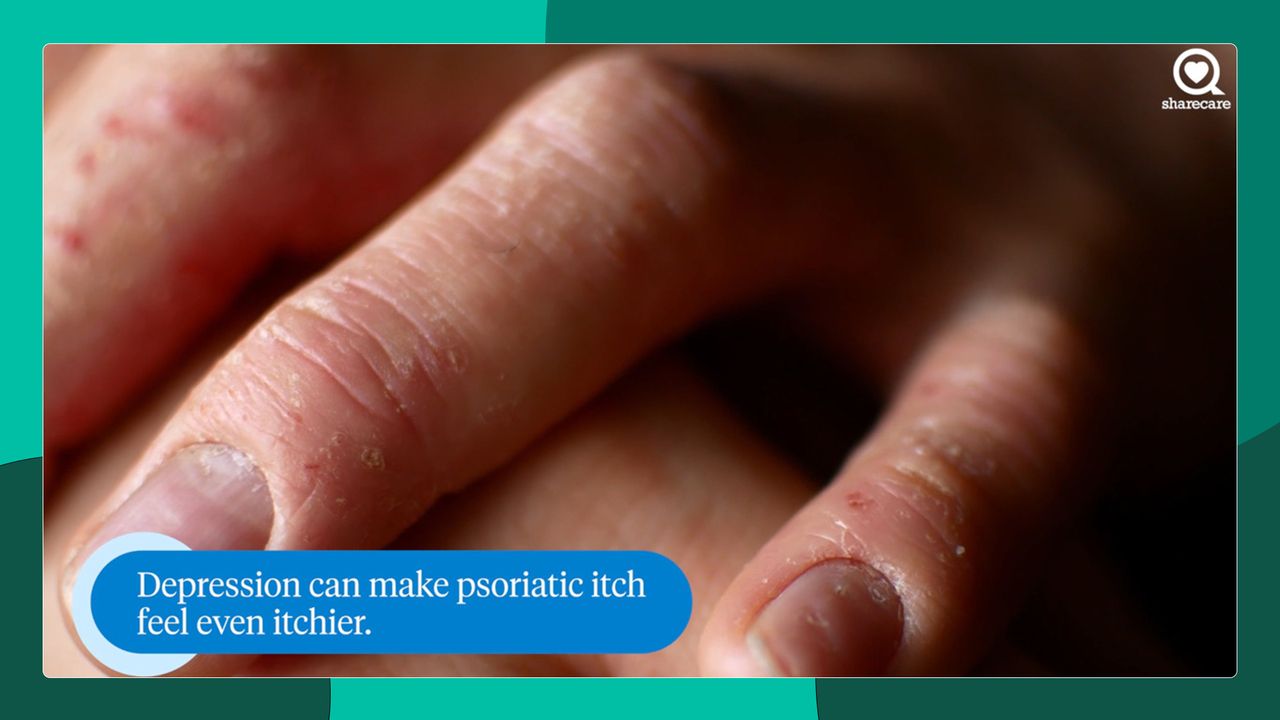
Though exact statistics are difficult to pin down, research suggests that a significant percentage of people with plaque psoriasis experience genital psoriasis. Genital psoriasis is when psoriasis symptoms appear on the skin of the genitals and the skin surrounding the genitals. This can include the vagina, penis, scrotum, pubis, anus, the upper thighs, the creases between the buttocks and the creases between the groin and thighs. Genital psoriasis typically manifests as something called inverse psoriasis, which causes smooth, shiny, bright red lesions. But it can manifest as other symptoms as well.

Genital psoriasis is caused by the same underlying autoimmune condition as other forms of psoriasis, and while there is no cure, there are treatments available that can reduce symptoms and improve the appearance of the skin. However, there are a number of additional challenges that come with treating genital psoriasis.

Irritation

Unfortunately, the areas of the body that are affected by genital psoriasis are exposed to a number of factors that can further irritate skin lesions. Friction and dampness from sweating can make inverse psoriasis symptoms worse, and these areas of the body tend to be prone to both. Skin-on-skin contact is unavoidable on certain parts of the body—such as at the fold between the groin and thighs, and between the buttocks—which means the skin can be consistently irritated without a chance to properly heal. Tight-fitting clothing, feces, urine and toilet paper (especially rough toilet paper) are all known to cause irritation. Friction and sweating during exercise can aggravate symptoms. Sex is also reported to aggravate symptoms.

Sensitive skin

The skin on and around the genitals is thinner and more sensitive than other areas on the body, which means that special care must be taken with certain treatments. Corticosteroids are a topical treatment that reduces inflammation and helps slow the production of skin cells, and are an effective treatment for many cases of psoriasis. However, long-term use of corticosteroids can cause the skin to become thinner, and strong doses of corticosteroids are not safe to use on areas of the body where the skin is already thin. UV light therapy shouldn’t be used on genital psoriasis except in special cases, since the skin or the genitals is easily sunburned, and exposure to ultraviolet light may increase the risk of skin cancer on the genitals.

Embarrassment

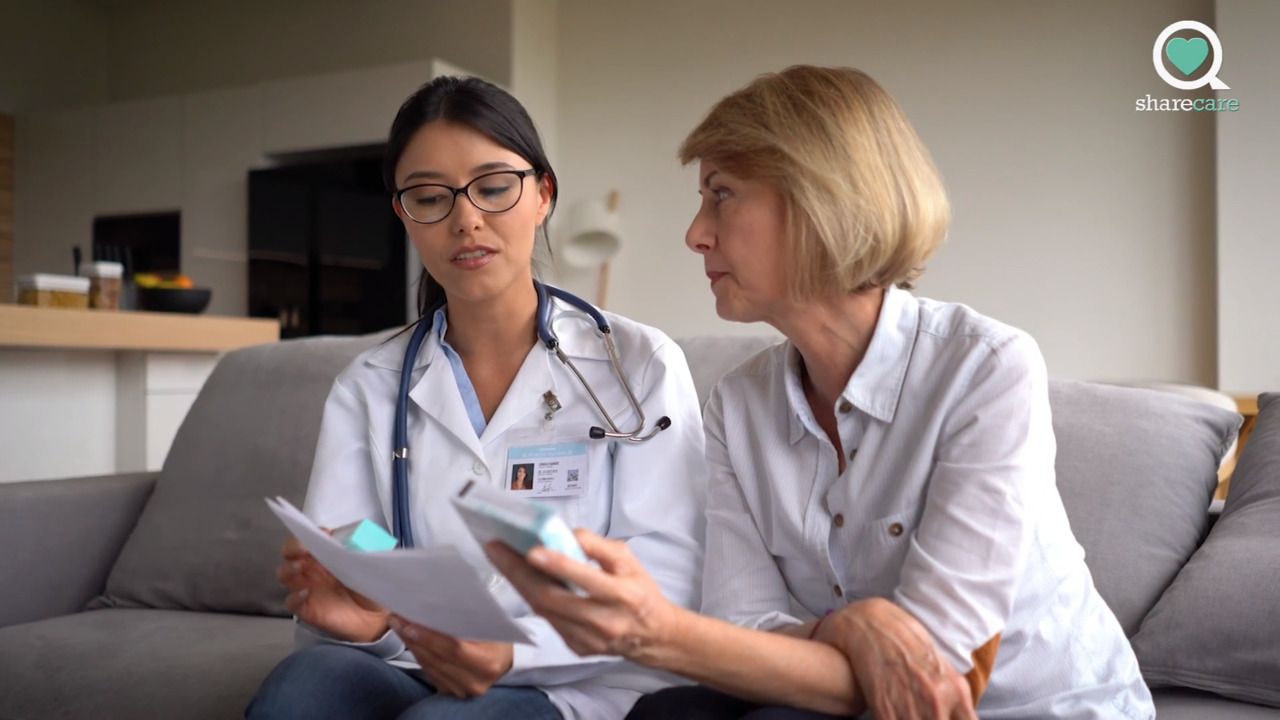
For some, the biggest challenge of treating genital psoriasis is speaking to a healthcare provider about their symptoms. One study, conducted by the Dutch Psoriasis Society, found that nearly half of the participants experiencing severe genital psoriasis symptoms had not discussed these symptoms with a healthcare provider. Many patients are embarrassed about the condition, and genital psoriasis is known to have a significant negative impact on quality of life, including relationships, social life and sex.

While talking about genital psoriasis may seem embarrassing, your healthcare provider is there to help you. While having the conversation may be a difficult emotional hurdle, keep in mind that there are treatments available that can help you manage the physical symptoms and emotional burden of the condition.

Written by Jameson Kowalczyk.
Medically reviewed by Megan Burke, MD.November, 2024
Updated onJuly, 2026
Written by Jameson Kowalczyk.
Medically reviewed by Megan Burke, MD.November, 2024
Updated onJuly, 2026
  • Irritation
  • Sensitive skin
  • Embarrassment

Featured content

A guide to moisturizers for people with psoriasis
Article

A guide to moisturizers for people with psoriasis

A breakdown of different moisturizers and which ones are recommended for people with psoriasis.

5 facts about psoriasis on the face
Article

5 facts about psoriasis on the face

Psoriasis can affect any area of the body, including the face. Here’s what patients need to know.

Uveitis and how psoriasis can affect the eyes
Article

Uveitis and how psoriasis can affect the eyes

What people with psoriasis and psoriatic arthritis can do to help keep their eyes healthy.

What to do when topical psoriasis treatments stop working
Article

What to do when topical psoriasis treatments stop working

Sticking to your psoriasis treatment is key to managing symptoms, but what happens when it’s no longer effective?

How to recognize different types of psoriasis
Article

How to recognize different types of psoriasis

Learn about the less common forms of this inflammatory skin disorder.

Being a parent with psoriasis
Article

Being a parent with psoriasis

How taking care of your own health can be one of the best lessons you can teach your kids.

Tips for going to the beach when you have psoriasis
Article

Tips for going to the beach when you have psoriasis

For people with psoriasis, going to the beach comes with a few risks, but also a few benefits.

Ways to improve your chances of success with psoriasis treatment
Article

Ways to improve your chances of success with psoriasis treatment

Learn strategies that can help raise your odds of achieving and maintaining remission.

A guide to understanding psoriasis inflammation
Article

A guide to understanding psoriasis inflammation

Learn the important difference between acute and chronic inflammation and what it means for people with psoriasis.

5 different ways to think about psoriasis
Article

5 different ways to think about psoriasis

Psoriasis is a skin condition. It is also much more than a skin condition.

Can meditation help you better manage psoriasis?
Article

Can meditation help you better manage psoriasis?

How meditation may help people with psoriasis cope with stress and improve symptoms.

5 questions to ask when starting a biologic therapy for psoriasis
Video

5 questions to ask when starting a biologic therapy for psoriasis

Biologics are an effective treatment for moderate-to-severe psoriasis.

8-minute meditation for psoriasis
Video

8-minute meditation for psoriasis

Stress can play a major roll in psoriasis flare-ups. Take a break with this calming beginner's meditation session.

Mind your health: anxiety, depression, and psoriasis
Video

Mind your health: anxiety, depression, and psoriasis

One small study reported 84% of psoriasis patients had psychiatric comorbidities.

AskMD by Sharecare LogoAskMD by Sharecare Logo
Privacy policyConsumer health data privacyTerms of use
Cookie policyYour privacy choices

© 2026 Sharecare, Inc.

ask-mdask-md
AskMD by Sharecare LogoAskMD by Sharecare Logo
Privacy policyConsumer health data privacyTerms of use
Cookie policyYour privacy choices

© 2026 Sharecare, Inc.