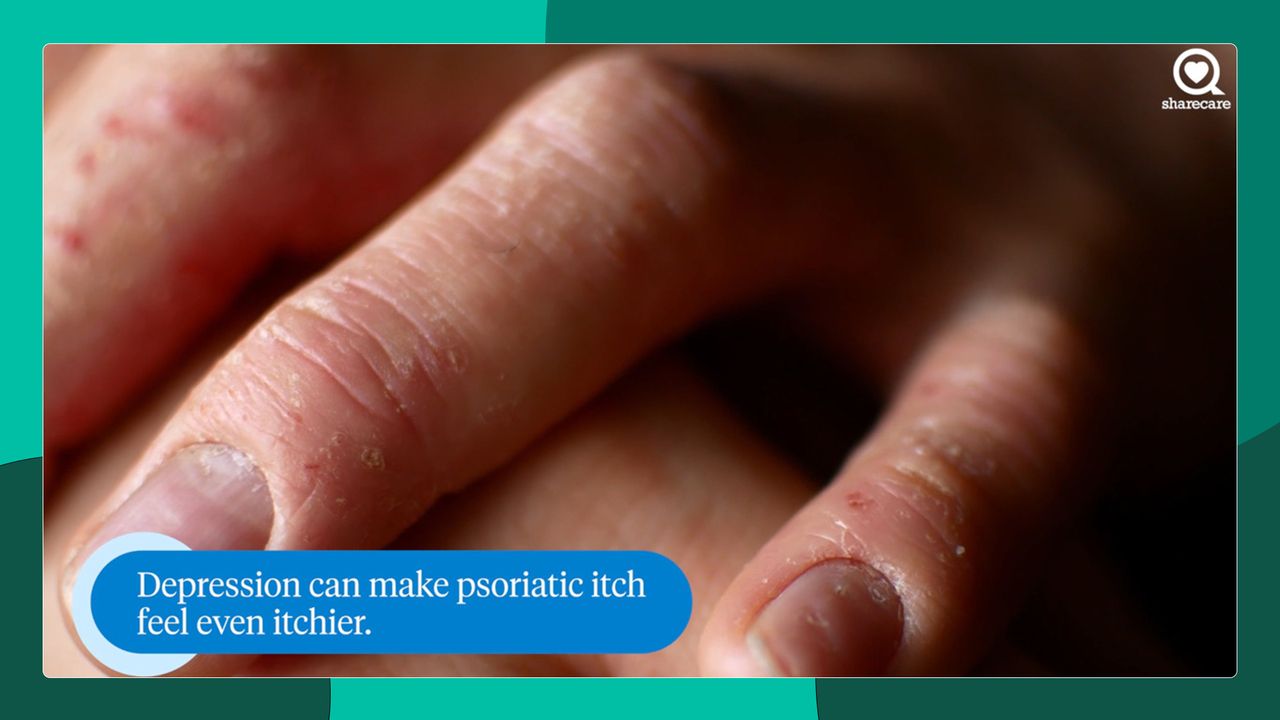

A guide to moisturizers for people with psoriasis


LearnSkinLiving well with psoriasisA guide to moisturizers for people with psoriasis
  • Types of moisturizers
  • Other ingredients
  • When to moisturize

Psoriasis is an inflammatory autoimmune condition that causes skin cells to grow at faster rates than normal. Psoriasis can manifest in a number of different types, each with different skin symptoms. It can also manifest as psoriatic arthritis, where an autoimmune response causes inflammation and damage to the joints. The most common type of psoriasis is plaque psoriasis, where symptoms present as thickened plaques of skin that appear red and scaly.

As with some other skin conditions (atopic dermatitis, for instance) daily moisturizing is a key element of managing psoriasis. Moisturizers are topical skincare products that help keep the skin hydrated. For people with psoriasis, using a moisturizer can help reduce symptoms like itching and dry skin, help soften skin that is cracked, and help soften skin that is scaled. Moisturizing can also help improve the skin’s barrier function—the skin’s ability to protect the body. Some moisturizers also have anti-inflammatory properties.

Types of moisturizers

Moisturizers contain oils and water, and the general consensus is that products that contain more oil are a better option. Products are categorized based on the ratio of oil to water they contain:

  • Ointments. Ointments have the highest oil content. The downside to having the highest oil content is that ointments can feel greasy. Petroleum jelly would fall into this category.
  • Creams. These rank second in terms of oil content, but also work well, and will feel less greasy than ointments.
  • Lotions. These contain only a little oil and are mostly made up of water. Because they are mostly made up of water, they evaporate from the skin more quickly than ointments or creams. But remember that every person’s skin reacts differently, and if a particular product has been working for you, don’t rule it out.

Some people with psoriasis also moisturize using natural oil products like coconut oil and sunflower seed oil. Since they are pure oil, they will leave a greasy feeling on the skin similar to ointments. You also must be careful with what type of natural oil you choose, as using olive oil as a topical has been shown to damage the skin barrier.

Other ingredients

Of course, many products contain additional ingredients beyond oil and water. Many products contain fragrances, dyes and preservatives, and you may want to avoid these ingredients as they can irritate the skin and aggravate symptoms.

Many moisturizers also contain ingredients that have anti-inflammatory properties, which may be beneficial to psoriasis symptoms. A few examples include:

  • Aloe Vera
  • Shea butter
  • Bisabolol, a chamomile plant extract
  • Glycyrrhetinic acid, which is derived from licorice root
  • Niacinamide, a form of vitamin B3
  • Palmitoylethanolamide, a type of fatty acid
  • Zinc gluconate, a type of zinc salt

If you’re unsure about a new skincare product, you may want to apply it to a small patch of skin and wait a day or two to see if you have a reaction (and cleanse the area immediately if a reaction does occur).

When to moisturize

It is recommended that people with psoriasis apply moisturizers immediately after bathing or washing their hands, as well as other times as needed. Remember, it is best to bathe only using lukewarm water and to limit baths and showers to ten minutes, since hot water and prolonged time in water can dry out the skin.

Written by Jameson Kowalczyk.
Medically reviewed by Megan Burke, MD.November, 2024
Updated onJuly, 2026
Written by Jameson Kowalczyk.
Medically reviewed by Megan Burke, MD.November, 2024
Updated onJuly, 2026
  • Types of moisturizers
  • Other ingredients
  • When to moisturize

Featured content

3 challenges of treating psoriasis in sensitive places
Article

3 challenges of treating psoriasis in sensitive places

Learn why treating psoriasis on the genitals can be more challenging than treating psoriasis on other areas of the body.

5 facts about psoriasis on the face
Article

5 facts about psoriasis on the face

Psoriasis can affect any area of the body, including the face. Here’s what patients need to know.

Uveitis and how psoriasis can affect the eyes
Article

Uveitis and how psoriasis can affect the eyes

What people with psoriasis and psoriatic arthritis can do to help keep their eyes healthy.

What to do when topical psoriasis treatments stop working
Article

What to do when topical psoriasis treatments stop working

Sticking to your psoriasis treatment is key to managing symptoms, but what happens when it’s no longer effective?

How to recognize different types of psoriasis
Article

How to recognize different types of psoriasis

Learn about the less common forms of this inflammatory skin disorder.

Being a parent with psoriasis
Article

Being a parent with psoriasis

How taking care of your own health can be one of the best lessons you can teach your kids.

Tips for going to the beach when you have psoriasis
Article

Tips for going to the beach when you have psoriasis

For people with psoriasis, going to the beach comes with a few risks, but also a few benefits.

Ways to improve your chances of success with psoriasis treatment
Article

Ways to improve your chances of success with psoriasis treatment

Learn strategies that can help raise your odds of achieving and maintaining remission.

A guide to understanding psoriasis inflammation
Article

A guide to understanding psoriasis inflammation

Learn the important difference between acute and chronic inflammation and what it means for people with psoriasis.

5 different ways to think about psoriasis
Article

5 different ways to think about psoriasis

Psoriasis is a skin condition. It is also much more than a skin condition.

Can meditation help you better manage psoriasis?
Article

Can meditation help you better manage psoriasis?

How meditation may help people with psoriasis cope with stress and improve symptoms.

5 questions to ask when starting a biologic therapy for psoriasis
Video

5 questions to ask when starting a biologic therapy for psoriasis

Biologics are an effective treatment for moderate-to-severe psoriasis.

8-minute meditation for psoriasis
Video

8-minute meditation for psoriasis

Stress can play a major roll in psoriasis flare-ups. Take a break with this calming beginner's meditation session.

Mind your health: anxiety, depression, and psoriasis
Video

Mind your health: anxiety, depression, and psoriasis

One small study reported 84% of psoriasis patients had psychiatric comorbidities.

AskMD by Sharecare LogoAskMD by Sharecare Logo
Privacy policyConsumer health data privacyTerms of use
Cookie policyYour privacy choices

© 2026 Sharecare, Inc.

ask-mdask-md
AskMD by Sharecare LogoAskMD by Sharecare Logo
Privacy policyConsumer health data privacyTerms of use
Cookie policyYour privacy choices

© 2026 Sharecare, Inc.