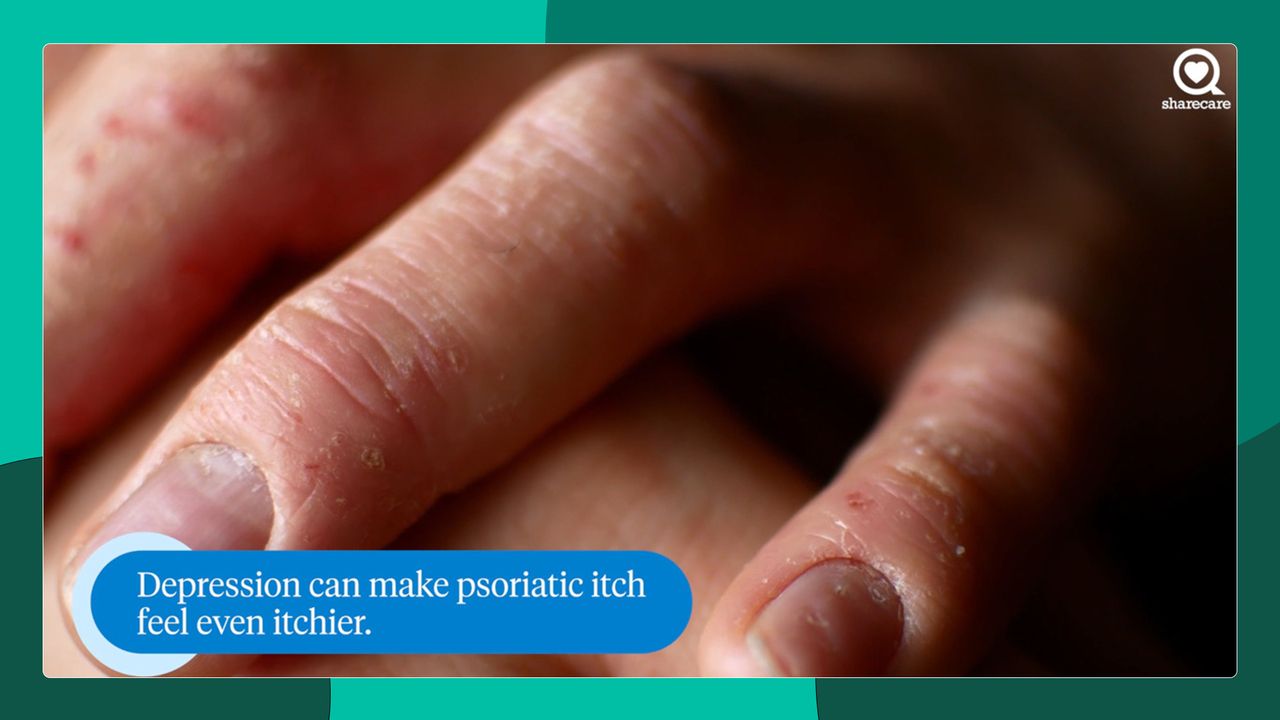
The most common form of psoriasis is plaque psoriasis, which causes thickened, red patches of skin that are described as having a silvery, scaled texture. These patches are called plaques, and can appear on any area of the body, though are most common on the outsides of the elbows and knees, as well as on the scalp, face, lower back, the palms of the hands, and the soles of the feet.
Although plaque psoriasis accounts for most cases, there are other types. In some cases, a person may have more than one type of psoriasis, and the type of psoriasis a person has can change over time.
Symptoms vary depending on the type of psoriasis a person has. Here, we look at the different types of psoriasis and the symptoms each type can cause.
Guttate psoriasis
The lesions caused by guttate psoriasis are described as small, red, and scaly, and are either round or shaped like droplets. The arms, legs, and trunk of the body are the most common areas affected. Guttate psoriasis is most common in children, teens, and young adults. The onset may be triggered by an illness or infection, such as strep throat or a respiratory infection.
Inverse psoriasis
Inverse psoriasis tends to affect areas of the body where skin folds against skin. The armpits, under the breasts, behind the knees, the buttocks, and the genitals are areas where this type of psoriasis may occur. Friction and sweat aggravate symptoms and irritate lesions, which have a smooth, shiny, bright red appearance.
Because the skin in areas affected by inverse psoriasis is thinner and more sensitive than skin in other areas of the body, it can present different challenges to treat. Also, because it affects intimate areas of the body, symptoms can be difficult for patients to bring up during healthcare appointments.
Pustular psoriasis
This type of psoriasis causes blister-type lesions, or pustules. The pustules are filled with white blood cells, and can appear white or yellowish, and will peel and crust over.
These pustules can appear on the hands and feet (called localized pustular psoriasis) or across the entire body (called generalized pustular psoriasis). Generalized pustular psoriasis requires emergency medical care—severe itching, fever, fatigue, muscle weakness, and changes in heart rate are other symptoms.
Erythrodermic psoriasis
Another type of psoriasis that requires emergency medical care is erythrodermic psoriasis. While extremely rare, it causes a life-threatening inflammatory response that can affect nearly the entire body.
During an episode of erythrodermic psoriasis, a person may experience intense pain and itching, redness over large areas of the body, blisters, skin that sheds in sheets, increased heart rate, and fluctuations in body temperature. Fluid loss and protein loss are concerns, as are infection and heart failure.
Erythrodermic psoriasis can be triggered by allergic reactions to medications, sudden withdrawal of psoriasis medications, severe stress, alcoholism, infections, and injuries to the skin such as a severe sunburn.
Psoriatic nail disease
The nails on the fingers and toes can also be affected by psoriasis. This is sometimes called psoriatic nail disease or “nail psoriasis.” The nails can become thickened, pitted, discolored, fragile, and separate from the nail bed. It can also be painful.
Psoriatic arthritis
Psoriatic arthritis is a type of arthritis that affects some people who have psoriasis. Psoriatic arthritis causes inflammation in the joints, which results in pain, swelling, and stiffness, and can lead to permanent joint damage. Any joint pain should be discussed with a healthcare provider.
Sources: Mayo Clinic. Psoriasis. + 13
- Mayo Clinic. Psoriasis.
- National Psoriasis Foundation. Plaque Psoriasis.
- National Psoriasis Foundation. Locations and Types.
- UpToDate. Patient education: Psoriasis (Beyond the Basics).
- American Academy of Dermatology Association. Types of Psoriasis: Can You Have More Than One?
- National Psoriasis Foundation. Guttate Psoriasis.
- Cleveland Clinic. Inverse Psoriasis.
- Julie J. Hong, Megan L. Mosca, et al. Genital and Inverse/Intertriginous Psoriasis: An Updated Review of Therapies and Recommendations for Practical Management. Dermatology and Therapy, 2021. Vol. 11, No. 3.
- National Psoriasis Foundation. Pustular Psoriasis.
- American Academy of Dermatology Association. Pustular Psoriasis: Treatment Options.
- National Psoriasis Foundation. Erythrodermic Psoriasis.
- DermNet. Erythrodermic psoriasis.
- Mount Sinai. Erythrodermic Psoriasis.
- American Academy of Dermatology Association. What is Nail Psoriasis, and How Can I Treat It?