Heading to the beach is a great way to unwind with friends, but for people living with psoriasis, a beach day comes with several considerations and challenges.
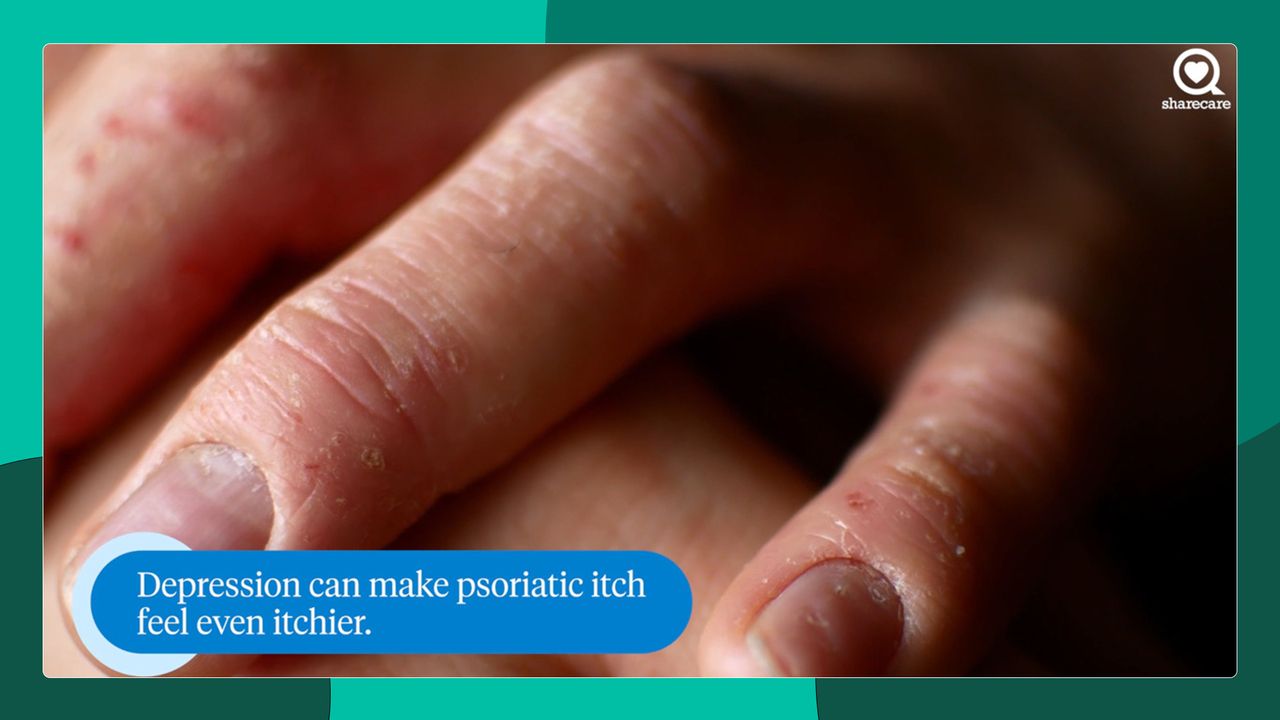
One challenge is the mental and emotional burden that often accompanies a chronic skin condition. Psoriasis causes skin lesions—most commonly, patches of dry, red, scaly skin (plaque psoriasis). As a result, many people with the condition may struggle with feelings of low confidence, low self-esteem, and insecurity about their bodies and appearance. These feelings may be more present or amplified in settings where people are wearing swimsuits or minimal clothing.
It’s also important to consider the potential psoriasis triggers that you may encounter during a day at the beach—sunburn, insect bites, irritation from sand, and even certain foods can trigger psoriasis symptoms and derail psoriasis management.
Here, we look at a few precautions that can help you protect your skin, as well as some of the potential benefits a day at the beach can have for your psoriasis management.
Check in with yourself beforehand
Psoriasis affects different people in different ways at different times. How comfortable a person is feeling in their skin at a given time will depend on several factors, including how well psoriasis is controlled, how visible symptoms are, and how well they deal with things like inquisitive looks.
Before going to the beach, take a few moments to check in with yourself, what you are concerned about at the moment, and also what you are looking forward to. It is also worth mentioning that mental health should be a focus of treatment for psoriasis.
Check in with your support system
One of the most important things to realize about living with psoriasis—you do not have to live with it alone. Friends and family often form the foundation of a support system. Additionally, support groups offer an opportunity to connect with other people who have psoriasis. You may also consider inviting a close friend or a friend who also has psoriasis along with you to the beach.
Avoiding psoriasis triggers at the beach
As mentioned above, there are numerous psoriasis triggers that you may encounter at the beach. Preparing ahead of time helps you minimize the impact of sunburn, bug bites, irritating sand caught in a swimsuit, and other things that can exacerbate psoriasis symptoms. Here are the basics of what you should pack for a day at the beach:
- Sunscreen. Look for a broad-spectrum sunscreen that is water resistant and has at least 30 SPF (sun protection factor). Since anything you put on your skin can affect psoriasis, consider sunscreen products that are intended for sensitive skin or that are made by brands that you have used before. Apply sunscreen before you arrive at the beach. Reapply every two hours and also after swimming.
- Moisturizer. You’ll want to reapply after swimming.
- The right swimsuit. Pick something that has been comfortable to wear in the past. Keep in mind that elastic can irritate skin. Sand that gets caught underneath fabric can also irritate skin.
- Extra clothing. Pack some lightweight, breathable clothing, including a long-sleeved shirt and pants. Clothing that offers UV protection is recommended. Clothing can also protect you from insect bites.
- Hat and sunglasses. In addition to protecting your eyes and vision, these will help protect your scalp and face.
- Shade. Pack an umbrella or bring a beach tent that offers UV protection.
- Insect repellent. As with any topical product, choose something that is made for sensitive skin. Also, avoid being outside at sunset when insects are most active.
- Medications and skincare products. If you’re going away for a few days, make sure to pack enough doses of your medications.
- Drinking water. Bring plenty of drinking water and be sure you drink throughout the day. Also avoid consuming alcohol, which is known to exacerbate psoriasis symptoms.
The benefits of the beach
It’s also important to keep in mind the benefits that a day at the beach can have for your psoriasis management.
Exposure to sunlight may help improve psoriasis symptoms—some healthcare providers even prescribe short doses of sun exposure to people with psoriasis. (However, too much sun exposure can cause sunburn, which can trigger a psoriasis flare as well as increase the risk of skin cancer.)
A dip in the ocean can be beneficial to psoriasis management, since saltwater helps clear off dead skin cells. Be sure to rinse off well after your swim and reapply both sunscreen and moisturizer.
Going to the beach is also a great time to destress and relax—something that is good for psoriasis management as well as overall health.
Sources: National Psoriasis Foundation. "Location... + 12
- National Psoriasis Foundation. "Locations and Types."
- Winchester Hospital. "Coping With the Emotional Pain of Psoriasis."
- Hulya Nazik, Selcuk Nazik, and Feride C. Gul. "Body Image, Self-esteem, and Quality of Life in Patients with Psoriasis." Indian Dermatology Online Journal, 2017. Vol. 8, No. 5.
- National Psoriasis Foundation. "Causes and Triggers."
- Jenna Fletcher. "Psoriasis: What is the Koebner phenomenon?" Medical News Today. June 18, 2019.
- Brian Wu. "Psychological effects of psoriasis." DermNet New Zealand. March 2017.
- Mary West. "What to know about living with psoriasis." Medical News Today. May 27, 2021.
- Jon Johnson. "Is the sun good or bad for psoriasis?" Medical News Today. June 18, 2019.
- PlaquePsoriasis.com. "Clothing & Makeup Choices." May 21, 2016.
- U.S. Food & Drug Administration. "5 Tips for a Healthy Vacation."
- Jenny Fitzgerald. "Can you drink alcohol if you have psoriasis?" Medical News Today. October 10, 2018.
- Cancer Research UK. "How does the sun and UV cause cancer?"
- Morgan Meissner. "Salt water, chlorine, and swimming: How water activities can affect psoriasis." Medical News Today. May 12, 2021.