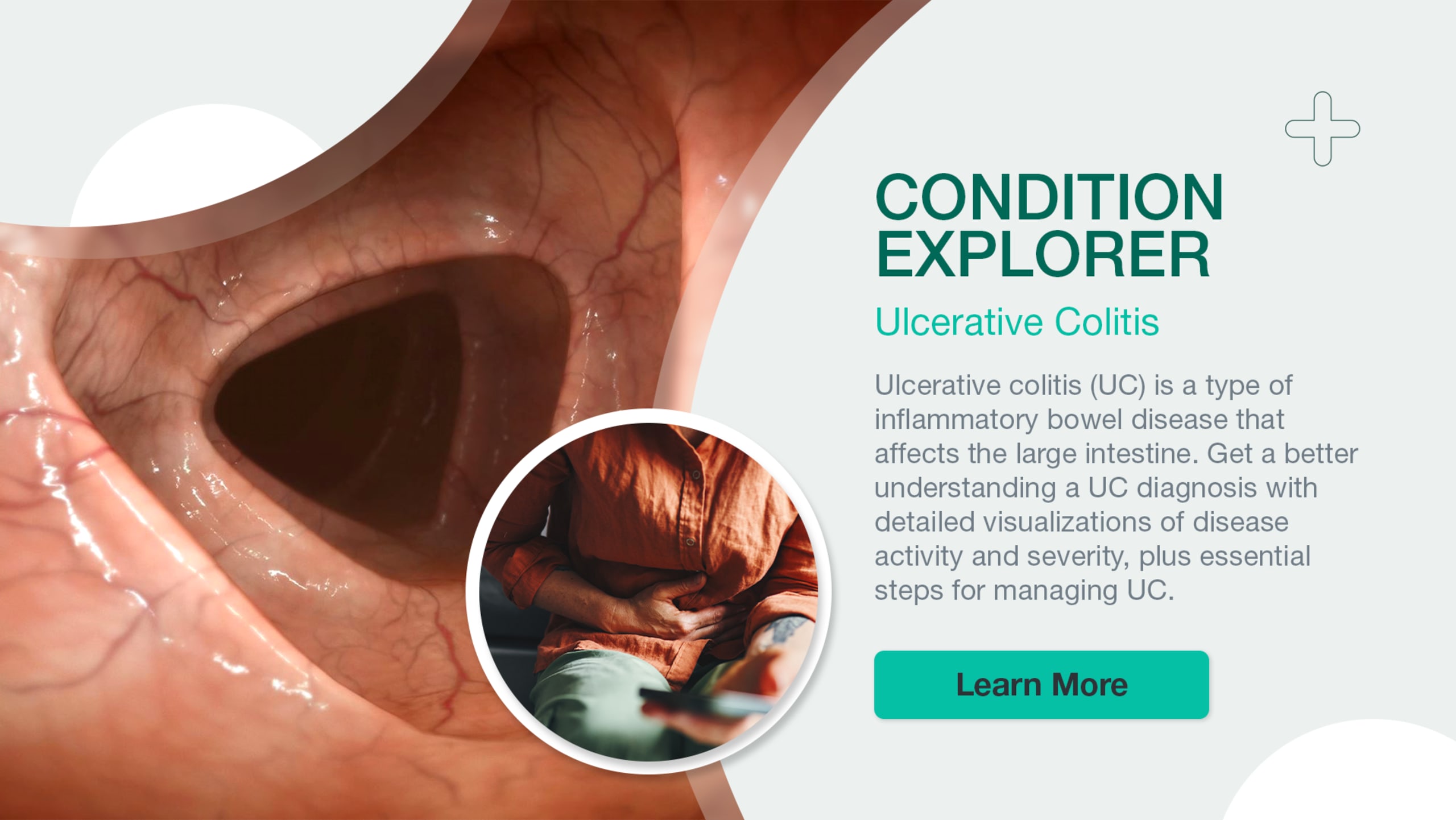


Along with Crohn’s disease, ulcerative colitis (UC) is one of the main forms of inflammatory bowel disease (IBD), a group of conditions that cause inflammation and damage in the tissues of the gastrointestinal (GI) tract.
With UC, inflammation affects the inner lining of the large intestine, almost always begins in the rectum, and affects a continuous section of the large intestine. Like other forms of IBD, UC follows a pattern of relapse and remission, with inflammation getting worse at times and improving at other times. Relapses are commonly called flare-ups.
Treatment for UC typically includes a combination of medications and other strategies.
Treatment goals include regulating the immune system, controlling inflammation, reducing symptoms, and allowing the large intestine to heal and recover.
Maintaining remission is another important goal of treatment. Recurring flare-ups increase the risk of complications and negatively impact physical health and quality of life in many ways.
Below are a few strategies for preventing flare-ups.
Take all medications exactly as prescribed
Medications are one of the main treatments for UC. There are multiple types of medications that may be prescribed, including:
- Medications applied directly to the rectum to ease inflammation, including liquids, foams, and suppositories (dissolvable tablets placed into the rectum).
- Systemic medications, which are taken as pills, injections, or infusions and act on inflammation throughout the body.
- A combination of different medications taken simultaneously.
The most important thing you can do to prevent UC flare-ups is to follow your treatment plan exactly as prescribed by your healthcare provider. Missing or skipping doses of a medication or taking a medication inconsistently can cause or contribute to flare-ups.
Tell your healthcare provider if you have any difficulty taking a medication, for any reason.
When prescribed any medication or making treatment decisions, it’s important to understand the potential benefits as well as the potential side effects. For example, biologic therapies are powerful systemic medications that can reduce inflammation throughout the body. These are also drugs that change how the immune system works and come with an increased risk of serious infections.
Risks and benefits are also a critical topic to discuss when considering surgery to treat UC. Surgery to remove the colon and rectum is a treatment option used to treat severe UC. This is typically considered only after other therapies have not been able to keep UC in remission. Surgery may also be needed in emergency situations where a severe flare is causing life-threatening complications.
Avoid things that can trigger flares
A trigger is something that leads to a flare. Triggers vary from person to person, but common UC triggers include:
- Anxiety and emotional stress
- Non-steroidal anti-inflammatory drugs (NSAIDs)
- Common trigger foods: Alcohol, caffeine, sugary foods and beverages, spicy foods, high-fat foods, foods high in lactose, artificial sweeteners and sugar alcohols, and high-fiber foods (especially insoluble fiber)
When discussing the role of diet in the treatment of UC, it’s also important to discuss how UC can affect nutrition.
Following a flare, it’s important to replace lost fluids and nutrients. Additionally, people with UC often have lower levels of important nutrients. This can result from frequent diarrhea (which also causes fluid loss) and digestion not working as well as it needs to. It can also result from avoiding certain foods. Talk to your healthcare provider about nutritional needs, bloodwork results, and any supplements you should be taking.
Keep a symptom journal
Keeping notes on symptoms, flares, and also remissions can help you identify triggers and patterns in your symptoms. This is useful information that you can share with your healthcare team. Remember that your healthcare providers will be your best source of information, and that you are also an important source of information for your healthcare providers.
Sources: CDC Inflammatory bowel disease (IBD). In... + 18
- CDC Inflammatory bowel disease (IBD). Inflammatory Bowel Disease (IBD) Basics. June 21, 2024.
- Mayo Clinic. Ulcerative colitis vs. Crohn's disease. March 19, 2026.
- Christopher McDowell, Umer Farooq, and Muhammad Haseeb. Inflammatory Bowel Disease. StatPearls. August 4, 2023.
- Crohn's & Colitis Foundation. Ulcerative Colitis Treatment Options. Accessed June 16, 2026.
- Aaron E. Walfish. Ulcerative Colitis. Merck Manual Consumer Version. March 2026.
- Aaron E. Walfish and Rafael Antonio Ching Companioni. Ulcerative Colitis. Merck Manual Professional Version. April 2026.
- Aaron E. Walfish. Overview of Inflammatory Bowel Disease (IBD). Merck Manual Consumer Version. March 2026.
- Maria-Andriani Mitropoulou, Evangelos C. Fradelos, et al. Quality of Life in Patients With Inflammatory Bowel Disease: Importance of Psychological Symptoms. Cureus, 2022. Vol. 14, No. 8.
- Cleveland Clinic. Budesonide Rectal foam. Accessed June 16, 2026.
- NCI Dictionary of Cancer Terms. Systemic therapy. Accessed June 16, 2026.
- Crohn's & Colitis Foundation. Medication Options for Ulcerative Colitis. Accessed June 16, 2026.
- Crohn's & Colitis Foundation of America. Managing Flares and Other IBD Symptoms. Accessed June 16, 2026.
- Mandeep Sohal. 8 Biologics for Ulcerative Colitis: What to Know About Humira, Remicade, and More. GoodRx. December 18, 2025.
- NHS. Ulcerative colitis: Treatment. November 1, 2022.
- Crohn's & Colitis Foundation. Surgery for Ulcerative Colitis. Accessed June 16, 2026.
- Cleveland Clinic. Ulcerative Colitis. November 5, 2023.
- Crohn's & Colitis Foundation. What Should I Eat with IBD? January 7, 2026.
- Crohn's & Colitis Foundation. Malnutrition and IBD. Accessed June 16, 2026.
- Lihi Godny and Iris Dotan. Avoiding food avoidance in patients with inflammatory bowel disease. United European Gastroenterology Journal, 2023. Vol. 11, No. 4.