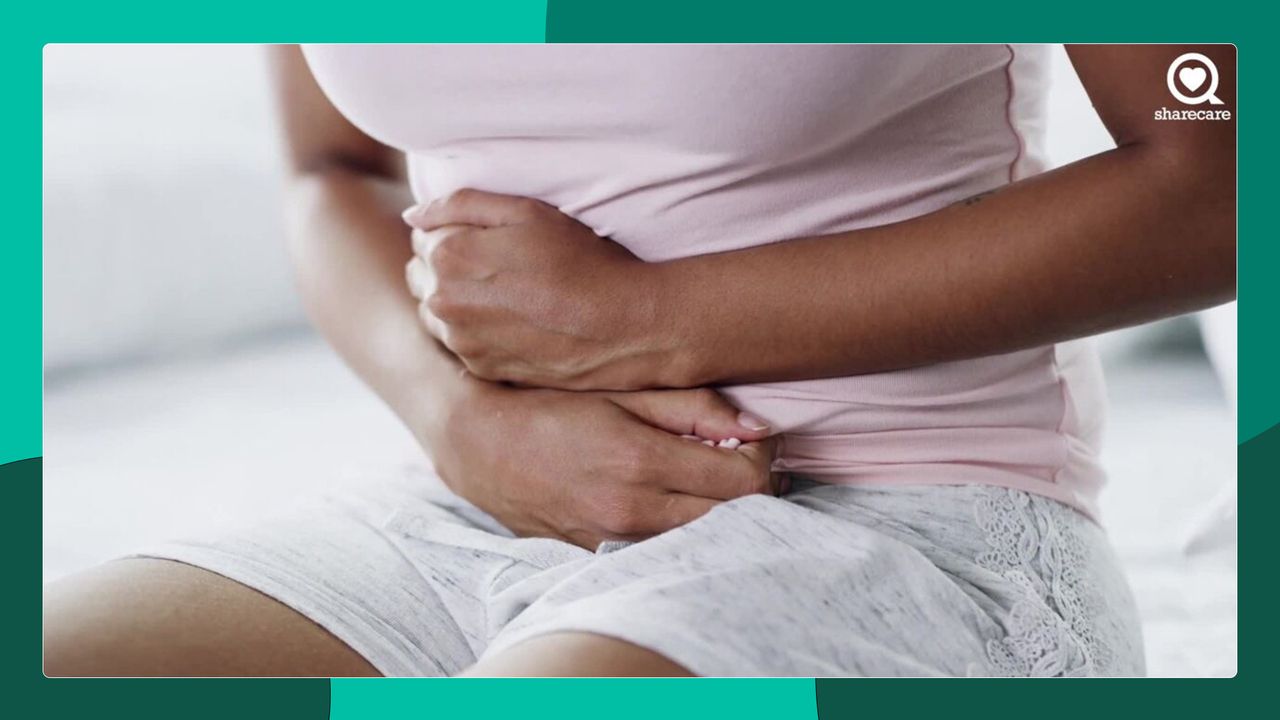
5 steps to living well with ulcerative colitis


LearnDigestive healthControlling Crohn’s disease and ulcerative colitis5 steps to living well with ulcerative colitis
  • Learn everything you can
  • Find emotional support
  • Keep a journal
  • Plan ahead
  • Follow your treatment plan

There is no cure for ulcerative colitis (UC), but there are treatments that can help control inflammation, ease symptoms, and address or prevent complications. Another focus of treatment is improving quality of life. UC and other forms of inflammatory bowel disease (IBD)—like Crohn’s disease—can prevent a person from doing many things and interfere with normal life in many ways.

If you are living with UC, the following strategies may help you take a proactive approach to managing the condition and enjoying the things you enjoy.

Learn everything you can

Educating yourself about UC can help you make more informed decisions about your treatment. A great place to start learning are your healthcare providers. Treatment for UC is typically overseen by a gastroenterologist, but it may also include other providers.

Because every case of UC is different, your healthcare team is your best source of information. If you have a question about your diagnosis, ask. You can also ask if there are any patient education materials that you can take with you, such as pamphlets or patient brochures.

Find emotional support

Coping with a chronic medical condition can be difficult. A disease like UC can impact your quality of life and your sense of self-esteem. Family members and friends can be good sources of emotional support and understanding. Many people living with a chronic illness also find it helpful to work with a counselor or therapist. Because the only people who really know what it’s like to live with UC are other people who have the disease, consider joining a support group.

Keep a journal

Keeping a record of what you eat, what you do, how you feel, and your symptoms can help you identify triggers and patterns in symptoms. Food is one of the most important things you can record—write down what you eat, at what times, and the portion sizes.

Writing down a summary of your day—where you went and what you did—can also help identify triggers. Pay attention to things like your mood, if you felt stressed, and your energy levels.

Also keep track of any information you can about symptoms—when a symptom started, the severity, and anything you did to alleviate it. While this can seem like a bit of work, this information can be very helpful to you and your healthcare providers.

Plan ahead

As mentioned above, your quality of life should be an important focus of treatment for IBD. Planning ahead can help you continue to enjoy things like exercise, hobbies, and social engagements. Being prepared can help put your mind more at ease while you are out. This may include scheduling an outing during a time of day when you’re typically feeling good or taking some time to relax before going out. While you’re out, planning ahead may involve knowing where the restrooms are and having an emergency kit ready in case symptoms occur.

Follow your treatment plan

UC tends to follow a cycle of remission and relapse—symptoms go away at times, then flare up at other times. It is important to follow your treatment plan, even during those times when you are feeling good. This means taking medications as prescribed, keeping your appointments with your healthcare providers, avoiding triggers, and trying to live an overall healthy lifestyle.

Sources: Crohn's and Colitis Foundation. "Ulcerat... + 13
  1. Crohn's and Colitis Foundation. "Ulcerative Colitis Treatment Options."
  2. Simon R. Knowles, Laurie Keefer, et al. "Quality of Life in Inflammatory Bowel Disease: A Systematic Review and Meta-analyses—Part II." Inflammatory Bowel Diseases, 2018. Vol. 24, No. 5.
  3. T. Hibi, T. Ishibashi, et al. "Ulcerative Colitis: Disease Burden, Impact on Daily Life, and Reluctance to Consult Medical Professionals: Results from a Japanese Internet Survey." Inflammatory Intestinal Diseases, 2020. Vol. 5, No. 1.
  4. Berna Nilgun Ozgursoy Uran, Yasemin Yıldırım, Fisun Senuzun Aykar and Belkıs Unsal. "Importance of Web-Based Education in the Management of Inflammatory Bowel Disease." Journal of Nursing and Practice, 2018. Vol. 2, No. 1.
  5. Subrata Ghosh. "Multidisciplinary teams as standard of care in inflammatory bowel disease." Canadian Journal of Gastroenterology, 2013. Vol. 27, No. 4.
  6. Cedars Sinai. "A Patient's Guide to IBD."
  7. Crohn's and Colitis Foundation. "Mental Health."
  8. Randi Opheim, Bjorn Moum, et al. "Self-esteem in patients with inflammatory bowel disease." Quality of Life Research, 2020. Vol. 29, No. 7.
  9. Crohn's and Colitis Foundation. "Find a Support Group."
  10. Crohn's and Colitis Canada. "Food for Thought."
  11. Crohn's and Colitis Foundation. "Food."
  12. Crohn's and Colitis Foundation. "Navigating Daily Life with IBD."
  13. Crohn's & Colitis Australia. "Understanding the remission and relapse cycle in Crohn’s disease."
  14. Webber Chan, Andy Chen, et al. "Medication adherence in inflammatory bowel disease." Intestinal Research, 2017. Vol. 15, No. 4.
Written by Jameson Kowalczyk.
Medically reviewed by Mark Arredondo, MD.April, 2025
Updated onAugust, 2026
Written by Jameson Kowalczyk.
Medically reviewed by Mark Arredondo, MD.April, 2025
Updated onAugust, 2026
  • Learn everything you can
  • Find emotional support
  • Keep a journal
  • Plan ahead
  • Follow your treatment plan

Featured content

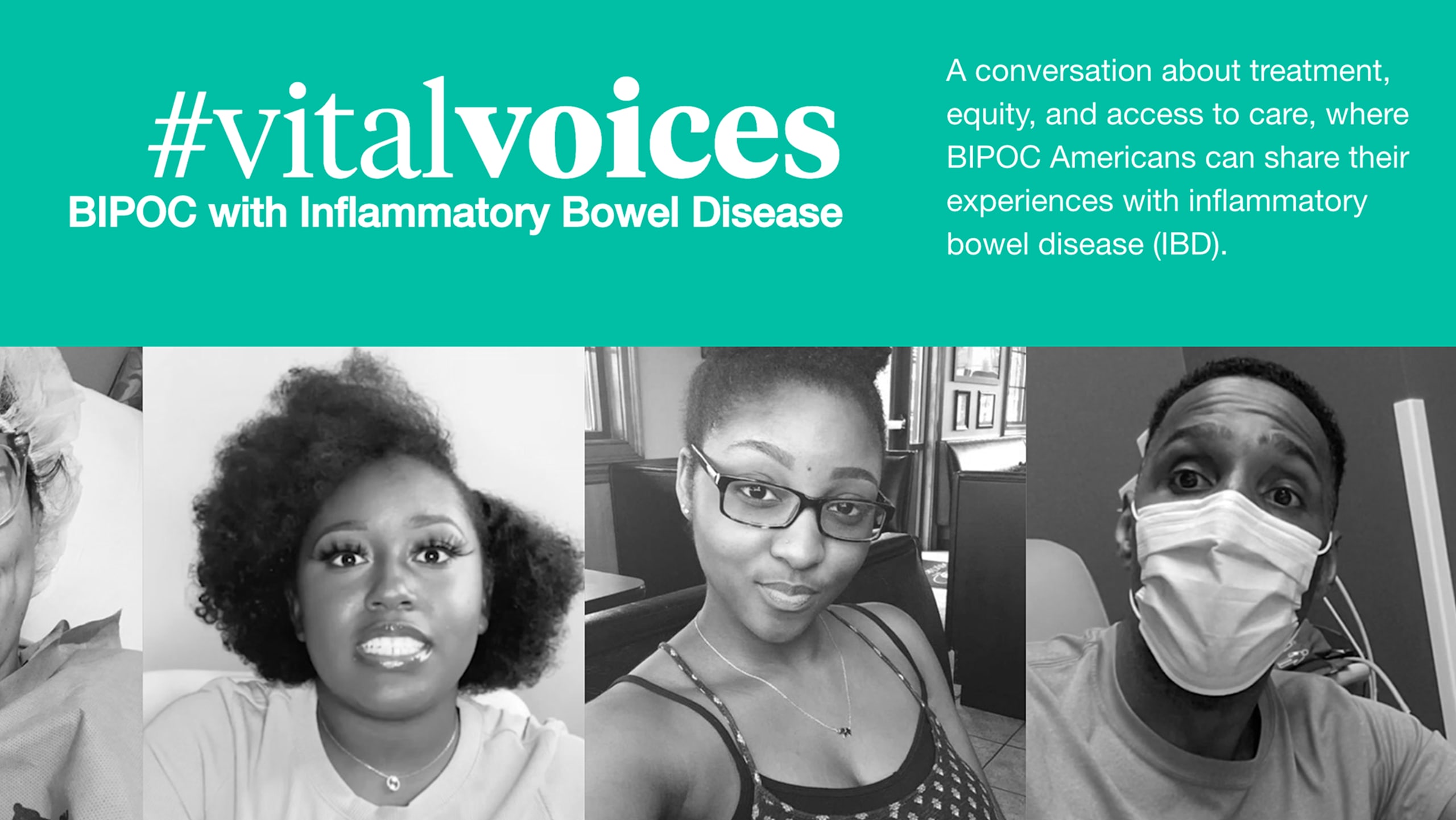
Vital Voices: BIPOC with Inflammatory Bowel Disease
Interactive

Vital Voices: BIPOC with Inflammatory Bowel Disease

Interactive Patient Story - UC
Interactive

Interactive Patient Story - UC

Nutritional supplements for people with Crohn's disease
Article

Nutritional supplements for people with Crohn's disease

Common nutritional deficiencies in people who have IBD and the supplements that can help.

4 ways to avoid flares when you have UC
Article

4 ways to avoid flares when you have UC

If you are living with IBD, learn how a few lifestyle changes could help ease your symptoms.

What medications are used to treat ulcerative colitis?
Article

What medications are used to treat ulcerative colitis?

Learn about the medications that can help control inflammation for people who have UC.

Coping with the mental and emotional burden of ulcerative colitis
Article

Coping with the mental and emotional burden of ulcerative colitis

Like other chronic illnesses, ulcerative colitis can affect mental and emotional health.

Crohn's disease: 5 topics to discuss with your doctor
Article

Crohn's disease: 5 topics to discuss with your doctor

Questions and topics to help you prepare for an appointment with your healthcare provider.

Crohn's disease: talking to your doctor about fatigue
Article

Crohn's disease: talking to your doctor about fatigue

Learn four ways Crohn’s disease contributes to fatigue and how to discuss fatigue with your healthcare providers.

How Crohn's disease impacts mental health
Article

How Crohn's disease impacts mental health

How to get help for feelings of depression and anxiety when you have IBD.

Is there a link between psoriasis and inflammatory bowel disease?
Article

Is there a link between psoriasis and inflammatory bowel disease?

Learn how these two inflammatory conditions are connected and what psoriasis patients need to know.

Do you need surgery to treat ulcerative colitis?
Article

Do you need surgery to treat ulcerative colitis?

Find out when to start thinking about surgery for your inflammatory bowel disease (IBD).

6 drug options for Crohn's disease
Article

6 drug options for Crohn's disease

Whether you have mild or severe IBD, these Crohn's meds can help stop your symptoms.

5 ways IBD can harm your health
Article

5 ways IBD can harm your health

Learn how the impact of inflammatory bowel disease (IBD) can extend beyond the digestive system.

Strategies for a better night's sleep with IBD
Article

Strategies for a better night's sleep with IBD

Understand the cyclical relationship between sleep problems and inflammatory bowel disease, and what you can do about it.

Working when you have Crohn's disease
Article

Working when you have Crohn's disease

Tips for finding the right job, maintaining work/life balance, and preparing for a day at work.

Can meditation help with inflammatory bowel disease?
Article

Can meditation help with inflammatory bowel disease?

Why people with inflammatory bowel disease might consider making meditation a part of treatment.

How UC can damage your joints and bones
Article

How UC can damage your joints and bones

How ulcerative colitis can contribute to painful symptoms in your joints and bones.

Can mindful eating help you manage ulcerative colitis?
Article

Can mindful eating help you manage ulcerative colitis?

How mindful eating can benefit digestion and help lower stress.

Staying hydrated when you have ulcerative colitis
Article

Staying hydrated when you have ulcerative colitis

Why people who have ulcerative colitis are at risk for dehydration and what they can do to stay hydrated.

5 answers about biologic therapies for IBD
Article

5 answers about biologic therapies for IBD

How biologic therapies may help people with inflammatory bowel disease achieve and maintain remission.

Avoiding stress-induced IBD flares
Article

Avoiding stress-induced IBD flares

Learn about the connection between IBD and stress, plus strategies to reduce stress.

9-minute meditation for ulcerative colitis
Video

9-minute meditation for ulcerative colitis

Meditation can bring lasting improvements to quality of life when you have inflammatory bowel disease.

Mind your health: ulcerative colitis, Crohn's disease, and mental health
Video

Mind your health: ulcerative colitis, Crohn's disease, and mental health

When building a treatment plan for ulcerative colitis and Crohn's disease, you should focus on your mental health and physical condition.

7 foods to skip if you have IBD
Slideshow

7 foods to skip if you have IBD

Steering clear of these foods can help ease digestion.

AskMD by Sharecare LogoAskMD by Sharecare Logo
Privacy policyConsumer health data privacyTerms of use
Cookie policyYour privacy choices

© 2026 Sharecare, Inc.

ask-mdask-md
AskMD by Sharecare LogoAskMD by Sharecare Logo
Privacy policyConsumer health data privacyTerms of use
Cookie policyYour privacy choices

© 2026 Sharecare, Inc.