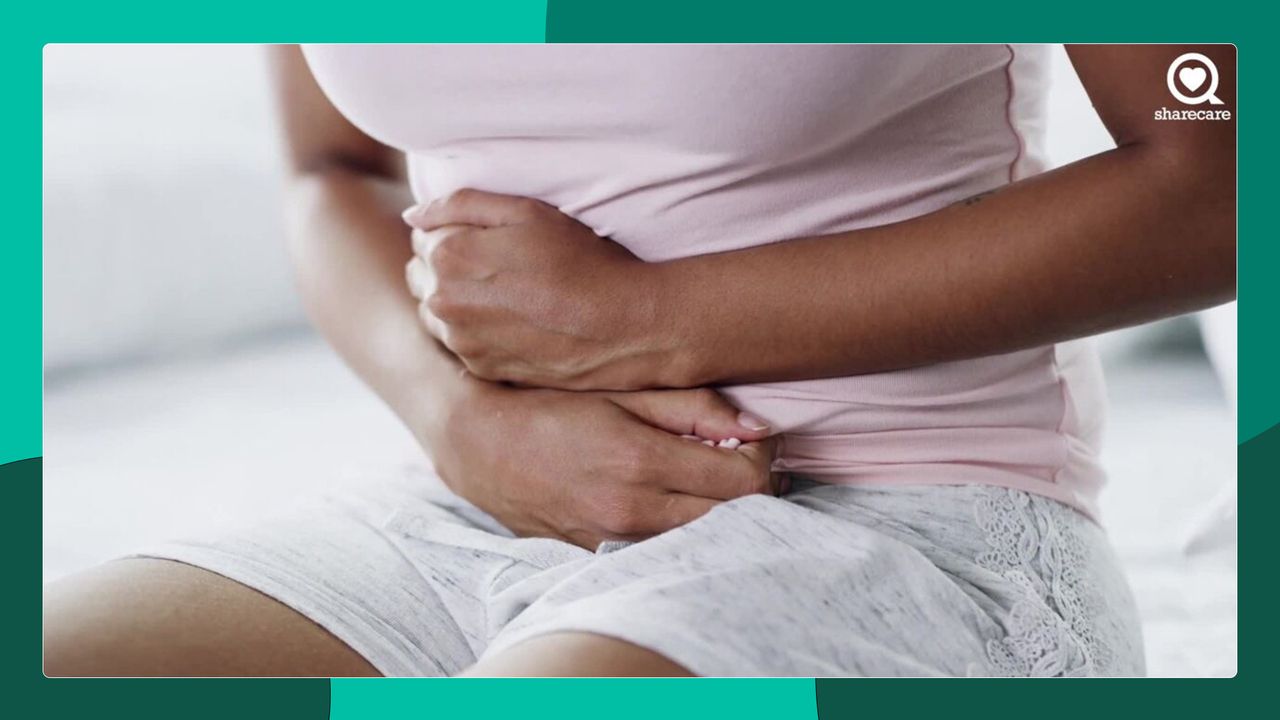
Nutritional supplements for people with Crohn's disease


LearnDigestive healthControlling Crohn’s disease and ulcerative colitisNutritional supplements for people with Crohn's disease

You may think you're eating well to control your inflammatory bowel disease (IBD) symptoms, but ulcerative colitis and Crohn's disease can do a number on your nutrition behind the scenes. Living with IBD, taking certain medications and undergoing surgery can lead to problems from mineral absorption to dehydration to osteoporosis, explains Robin Miller, MD, an integrative medicine specialist and medical director of Triune Integrative Medicine in Medford, Oregon.

If you're living with a form of IBD, ask your healthcare provider (HCP) if you're at risk for these common nutritional problems and whether you should be taking vitamin or nutritional supplements.

  • Iron: About one-third of people with IBD have an iron deficiency, which can be due to not getting enough iron in your diet, your body not absorbing iron very well or blood loss, says Dr. Miller. Your HCP may suggest a liquid iron supplement that's gentle on your stomach and easy for your body to absorb, or you may need to take iron by intravenous (IV) supplementation. The dosage varies according to how low your iron levels are.
  • Vitamin B12: About 10-20 percent of people with Crohn's disease are deficient in vitamin B12. Surgery to remove part of the ileum—the section of small intestine where vitamin B12 is absorbed—raises the risk of deficiency, and usually means you'll need to supplement your diet going forward. Vitamin B12 is often given as a monthly injection.
  • Folate: Nearly one-third of patients with Crohn's disease and about 10 percent of people with ulcerative colitis have a folate deficiency. Reasons include a poor diet, poor absorption and side effects of your medications (such as sulfasalazine and methotrexate). Usually 1 mg a day is enough, but your HCP will know what's right for you. Taking a folate supplement is recommended for people taking methotrexate or sulfasalazine and women who are pregnant, says Miller.
  • Calcium: In IBD, calcium deficiency is usually due to a poor diet, poor absorption and diarrhea. Corticosteroids can also lower your calcium absorption, which can lead to delayed growth in children and osteoporosis in adults, explains Miller. The recommended dosage is 1,000 to 1,500 mg per day, which should be divided into two to three doses of 500 mg each. Calcium citrate is the easiest form to absorb, especially if you're also taking a proton pump inhibitor, a medication that reduces stomach acid, says Miller.
  • Vitamin D: As many as two-thirds of people with Crohn's disease and up to 45 percent of those with ulcerative colitis have a vitamin D deficiency, mostly due to a poor diet. In Crohn's, surgery that removes the small bowel makes absorption difficult. Most people with IBD need 1,500 to 2,000 IUs of Vitamin D3 daily, but you may need more if you're on steroids or if you're overweight, Miller says.
  • Magnesium: Anywhere from 10 percent to nearly 90 percent of IBD sufferers have a magnesium deficiency. Diarrhea can contribute to this problem, but taking magnesium supplements can make diarrhea worse. People need to be tested for magnesium deficiency and then treated based on the results. Intravenous supplementation is often used for severe deficiency.
  • Multivitamin: Because people with IBD tend to have trouble absorbing minerals and micronutrients, a general multivitamin is a good idea to help maintain healthy levels of essential nutrients.

Remember, don't start taking any IBD supplements without talking to your healthcare provider first. During a routine checkup, your healthcare provider can evaluate your symptoms and perform blood tests to see which nutritional supplements you may need.
Written by Jameson Kowalczyk.
Medically reviewed by Mark Arredondo, MD.June, 2024
Updated onAugust, 2026
Written by Jameson Kowalczyk.
Medically reviewed by Mark Arredondo, MD.June, 2024
Updated onAugust, 2026

Featured content

Vital Voices: BIPOC with Inflammatory Bowel Disease
Interactive

Vital Voices: BIPOC with Inflammatory Bowel Disease

Interactive Patient Story - UC
Interactive

Interactive Patient Story - UC

4 ways to avoid flares when you have UC
Article

4 ways to avoid flares when you have UC

If you are living with IBD, learn how a few lifestyle changes could help ease your symptoms.

What medications are used to treat ulcerative colitis?
Article

What medications are used to treat ulcerative colitis?

Learn about the medications that can help control inflammation for people who have UC.

Coping with the mental and emotional burden of ulcerative colitis
Article

Coping with the mental and emotional burden of ulcerative colitis

Like other chronic illnesses, ulcerative colitis can affect mental and emotional health.

5 steps to living well with ulcerative colitis
Article

5 steps to living well with ulcerative colitis

How taking a proactive approach can help you get more out of treatment.

Crohn's disease: 5 topics to discuss with your doctor
Article

Crohn's disease: 5 topics to discuss with your doctor

Questions and topics to help you prepare for an appointment with your healthcare provider.

Crohn's disease: talking to your doctor about fatigue
Article

Crohn's disease: talking to your doctor about fatigue

Learn four ways Crohn’s disease contributes to fatigue and how to discuss fatigue with your healthcare providers.

How Crohn's disease impacts mental health
Article

How Crohn's disease impacts mental health

How to get help for feelings of depression and anxiety when you have IBD.

Is there a link between psoriasis and inflammatory bowel disease?
Article

Is there a link between psoriasis and inflammatory bowel disease?

Learn how these two inflammatory conditions are connected and what psoriasis patients need to know.

Do you need surgery to treat ulcerative colitis?
Article

Do you need surgery to treat ulcerative colitis?

Find out when to start thinking about surgery for your inflammatory bowel disease (IBD).

6 drug options for Crohn's disease
Article

6 drug options for Crohn's disease

Whether you have mild or severe IBD, these Crohn's meds can help stop your symptoms.

5 ways IBD can harm your health
Article

5 ways IBD can harm your health

Learn how the impact of inflammatory bowel disease (IBD) can extend beyond the digestive system.

Strategies for a better night's sleep with IBD
Article

Strategies for a better night's sleep with IBD

Understand the cyclical relationship between sleep problems and inflammatory bowel disease, and what you can do about it.

Working when you have Crohn's disease
Article

Working when you have Crohn's disease

Tips for finding the right job, maintaining work/life balance, and preparing for a day at work.

Can meditation help with inflammatory bowel disease?
Article

Can meditation help with inflammatory bowel disease?

Why people with inflammatory bowel disease might consider making meditation a part of treatment.

How UC can damage your joints and bones
Article

How UC can damage your joints and bones

How ulcerative colitis can contribute to painful symptoms in your joints and bones.

Can mindful eating help you manage ulcerative colitis?
Article

Can mindful eating help you manage ulcerative colitis?

How mindful eating can benefit digestion and help lower stress.

Staying hydrated when you have ulcerative colitis
Article

Staying hydrated when you have ulcerative colitis

Why people who have ulcerative colitis are at risk for dehydration and what they can do to stay hydrated.

5 answers about biologic therapies for IBD
Article

5 answers about biologic therapies for IBD

How biologic therapies may help people with inflammatory bowel disease achieve and maintain remission.

Avoiding stress-induced IBD flares
Article

Avoiding stress-induced IBD flares

Learn about the connection between IBD and stress, plus strategies to reduce stress.

9-minute meditation for ulcerative colitis
Video

9-minute meditation for ulcerative colitis

Meditation can bring lasting improvements to quality of life when you have inflammatory bowel disease.

Mind your health: ulcerative colitis, Crohn's disease, and mental health
Video

Mind your health: ulcerative colitis, Crohn's disease, and mental health

When building a treatment plan for ulcerative colitis and Crohn's disease, you should focus on your mental health and physical condition.

7 foods to skip if you have IBD
Slideshow

7 foods to skip if you have IBD

Steering clear of these foods can help ease digestion.

AskMD by Sharecare LogoAskMD by Sharecare Logo
Privacy policyConsumer health data privacyTerms of use
Cookie policyYour privacy choices

© 2026 Sharecare, Inc.

ask-mdask-md
AskMD by Sharecare LogoAskMD by Sharecare Logo
Privacy policyConsumer health data privacyTerms of use
Cookie policyYour privacy choices

© 2026 Sharecare, Inc.