Psoriasis is a chronic skin condition with several different forms. The most common is plaque psoriasis, which causes patches of thickened skin that are inflamed and scaly in appearance. But psoriasis can also manifest as white, pus-filled blisters (pustular psoriasis), small, drop-like dots (guttate psoriasis), and smooth lesions in places where skin folds against skin, such as the armpits, buttocks, and genital area (inverse psoriasis).
Regardless of the type, people with psoriasis are at an increased risk of a number of other health conditions. They include heart disease, type 2 diabetes, eye problems, and depression. Psoriasis patients are also at an increased risk of inflammatory bowel disease (IBD).
What is IBD?
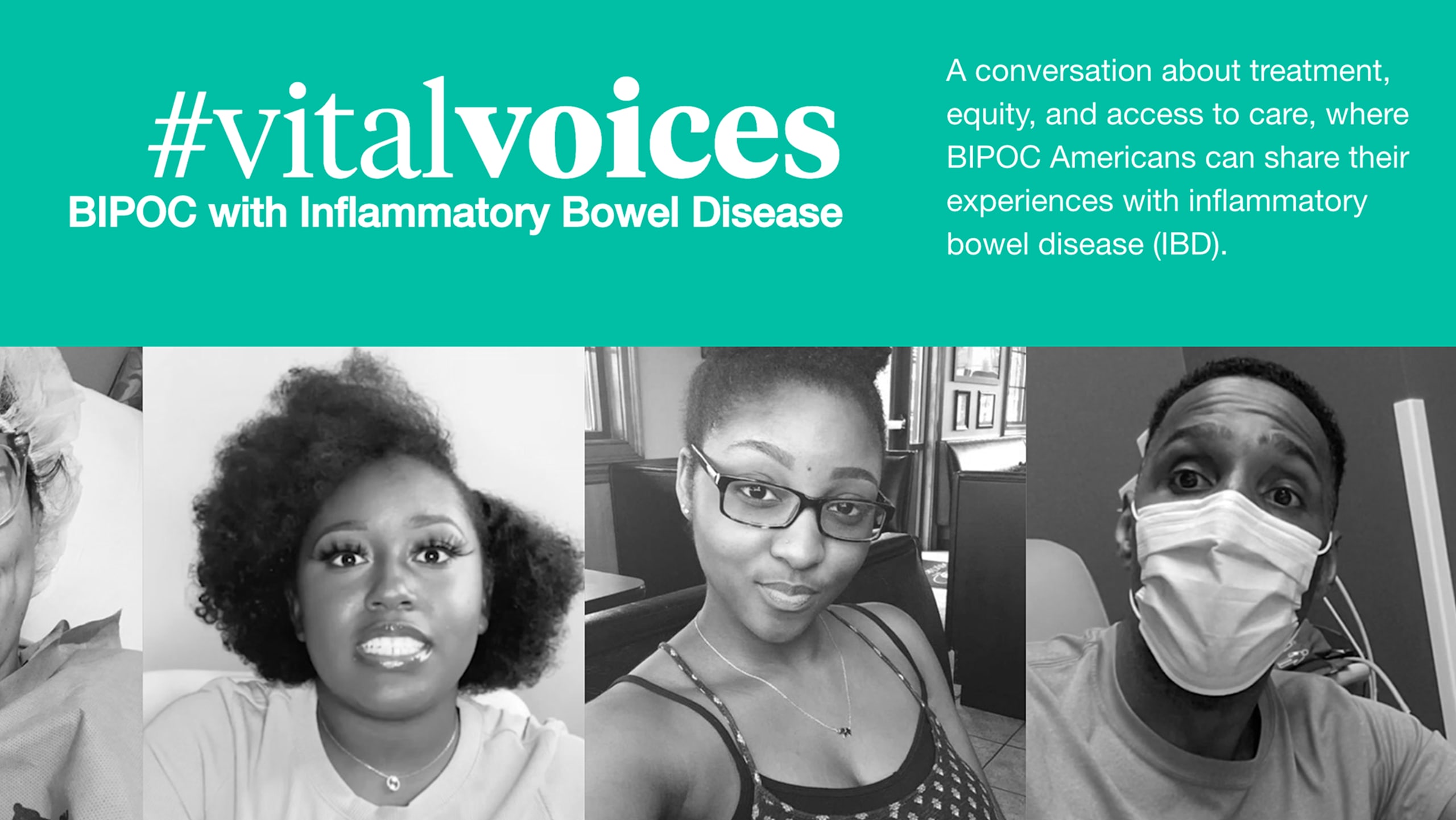
Inflammatory bowel disease is the term given to a pair of diseases that cause chronic inflammation in the gastrointestinal tract, Crohn’s disease and ulcerative colitis (UC).
Like psoriasis, Crohn’s and UC symptoms are caused by an abnormal response by the immune system. IBD is an immune-mediated inflammatory disease where the immune system attacks food, bacteria and other benign materials inside the gastrointestinal tract, causing inflammation. While Crohn’s can affect any part of the gastrointestinal tract, UC is confined to the large intestine. Though each is a distinct condition, both can cause a number of similar symptoms, including abdominal cramps and pain, frequent bowel movements, weight loss, fatigue, diarrhea and rectal bleeding. Anyone experiencing these symptoms must see a healthcare provider (HCP) for an accurate diagnosis and treatment.
As with other immune-mediated conditions (including psoriasis), IBD will flare up at times and go into remission at other times. There is no cure for IBD, but there are a number of treatments that can help control symptoms and prevent flare-ups.
IBD and psoriasis
There are still many unknowns regarding both IBD and psoriasis. Healthcare researchers do not know the exact cause of these conditions, or why some people have them and others do not. What is known is that IBD is much more common among people who have psoriasis than people without psoriasis. It’s even more common among people who have both psoriasis and psoriatic arthritis.
While research is ongoing, the connection between these conditions is believed to be genetic. Researchers have found several genetic mutations related to both psoriasis and IBD. These may increase the risk of developing the conditions by altering the way the immune system works. This idea is supported by the fact that both IBD and psoriasis tend to run in families.
Treating IBD and psoriasis
Though IBD and psoriasis are distinct, there is some overlap in treatment. Multiple biologic drugs are approved by the FDA for the treatment of psoriasis, psoriatic arthritis, and both types of IBD. They work by suppressing part of the immune system in order to reduce inflammation. Not every person responds to these biologic treatments, but there is hope that additional treatment options will become available as researchers learn more about psoriasis and IBD.
What you can do
If you have psoriasis, it is important to know about the potential health risks and their symptoms. Stick to your treatment plan, see your HCP regularly, and address any changes in how you are feeling and any new symptoms you’re experiencing.
Sources: National Psoriasis Foundation. About Pso... + 8
- National Psoriasis Foundation. About Psoriasis. March 24, 2026.
- National Psoriasis Foundation. Related Conditions of Psoriasis. July 17, 2025.
- Centers for Disease Control and Prevention. Inflammatory Bowel Disease (IBD) Basics. June 21, 2024.
- Crohn’s & Colitis Foundation. What Is IBD? Accessed September 14, 2026.
- Crohn’s & Colitis Foundation. Crohn’s & Ulcerative Colitis Medications Guide. Accessed September 14, 2026.
- MedlinePlus. Infliximab Injection. March 15, 2021.
- MedlinePlus. Adalimumab Injection. March 15, 2026.
- MedlinePlus. Ustekinumab Injection. March 15, 2026.
- MedlinePlus. Risankizumab-rzaa Injection. May 15, 2026.