6 drug options for Crohn's disease


LearnDigestive healthControlling Crohn’s disease and ulcerative colitis6 drug options for Crohn's disease
  • Aminosalicylates
  • Corticosteroids
  • Immunomodulators
  • Antibiotics
  • Biologics
  • Drugstore Options

Recent years have given rise to a treatment revolution for the more than 1.4 million Americans who live with inflammatory bowel disease (IBD), which includes ulcerative colitis and Crohn's disease. "Now, more than ever before, we can control these diseases, and we have options that really work," says David Rubin, MD, chief gastroenterologist at the University of Chicago Medicine and co-director of its Digestive Diseases Center.

The goal of treatment is to cut down on inflammation in order to stop your symptoms (known as remission), prevent flares and improve your quality of life. Your treatment plan is unique to your symptoms and disease, but most people with IBD need some prescription medication to keep the disease in check. These common drugs come in various formulations, including oral, topical, rectal, intravenous (IV) and injection.

To get your IBD under control, talk with your doctor about these colitis and Crohn's disease medications to see which option might be best for you.

Aminosalicylates

These anti-inflammatory drugs (such as sulfasalazine, mesalamine, olsalazine and balsalazide) are often used to treat mild to moderate ulcerative colitis, and sometimes Crohn's disease. They're also called 5-ASA drugs because they contain 5-aminosalicylic acid. But they aren't the same thing as ASA, more commonly known as aspirin, which can actually worsen IBD. 5-ASA drugs take about two weeks to stop bleeding symptoms and about six weeks to achieve remission. They can be used both during active disease and as maintenance therapy to prevent flares.

Corticosteroids

These fast-acting anti-inflammatory drugs (including prednisone, methylprednisolone, hydrocortisone and budesonide) work by suppressing the immune system. Most people feel better within a few days, but corticosteroids aren't a long-term solution. They can help you through a flare or jumpstart relief while you're waiting for slower-acting therapies to kick in. But they should be used only at the lowest dose for the shortest time, if at all. "Corticosteroids carry serious side effects, including a high risk of infections. The goal of good treatment is to avoid steroid use," says Dr. Rubin.

Immunomodulators

These drugs (including methotrexate, azothioprine, 6-mercaptopurine, cyclosporine A and tacrolimus) reduce inflammation by quieting an overactive immune system. They're a good standby choice when 5-ASA, corticosteroids and antibiotics don't work, or they can be used in combination with corticosteroids or biologics. They can take several weeks or up to six months to work and are intended to control IBD symptoms over the long term.

Antibiotics

Antibiotics (such as metronidazole, ciprofloxacin and rifaximin) are mainly used to treat infections and sometimes flares. While you might read that antibiotics can be used as long-term therapy to control your symptoms, Rubin says that's not usually recommended.

Biologics

This newest class of IBD drugs is a relatively safe, effective option for people with moderate to severe disease. In the past, biologics were recommended only after other therapies had failed, but now doctors recommend them earlier on to get the best response, says Rubin. The drugs (including adalimumab, infliximab, natalizumab, certolizumab pegol, golimumab and vedolizumab) contain engineered proteins that target specific parts of the immune system without dampening it down. The two types of biologic drugs—anti-TNF (tumor necrosis factor) inhibitors and selective adhesion molecule (SAM) inhibitors—work on different targets.

Drugstore Options

Over-the-counter (OTC) medications may be used occasionally to boost symptom relief. These include pain relievers, antidiarrheal medications and laxatives.

For occasional pain relief for your Crohn's disease or colitis, try acetaminophen (Tylenol). Avoid other pain relievers (such as ibuprofen, aspirin or naproxen), which can damage the bowel wall or hinder its ability to heal, explains Rubin. And while it's okay to take loperamide (Imodium) for diarrhea sometimes, maybe before a social event, it's not wise to make it a habit. In fact, try not to make a habit of any OTC meds. "We don't want patients relying on over-the-counter treatments to manage their disease," says Rubin. These options don't address the inflammation or damage, and they can mask your symptoms, meaning that your IBD doesn't improve and may actually get worse.
Written by Jameson Kowalczyk.
Medically reviewed by Ann Wendling, MD, MPH.March, 2024
Updated onAugust, 2026
Written by Jameson Kowalczyk.
Medically reviewed by Ann Wendling, MD, MPH.March, 2024
Updated onAugust, 2026
  • Aminosalicylates
  • Corticosteroids
  • Immunomodulators
  • Antibiotics
  • Biologics
  • Drugstore Options

Featured content

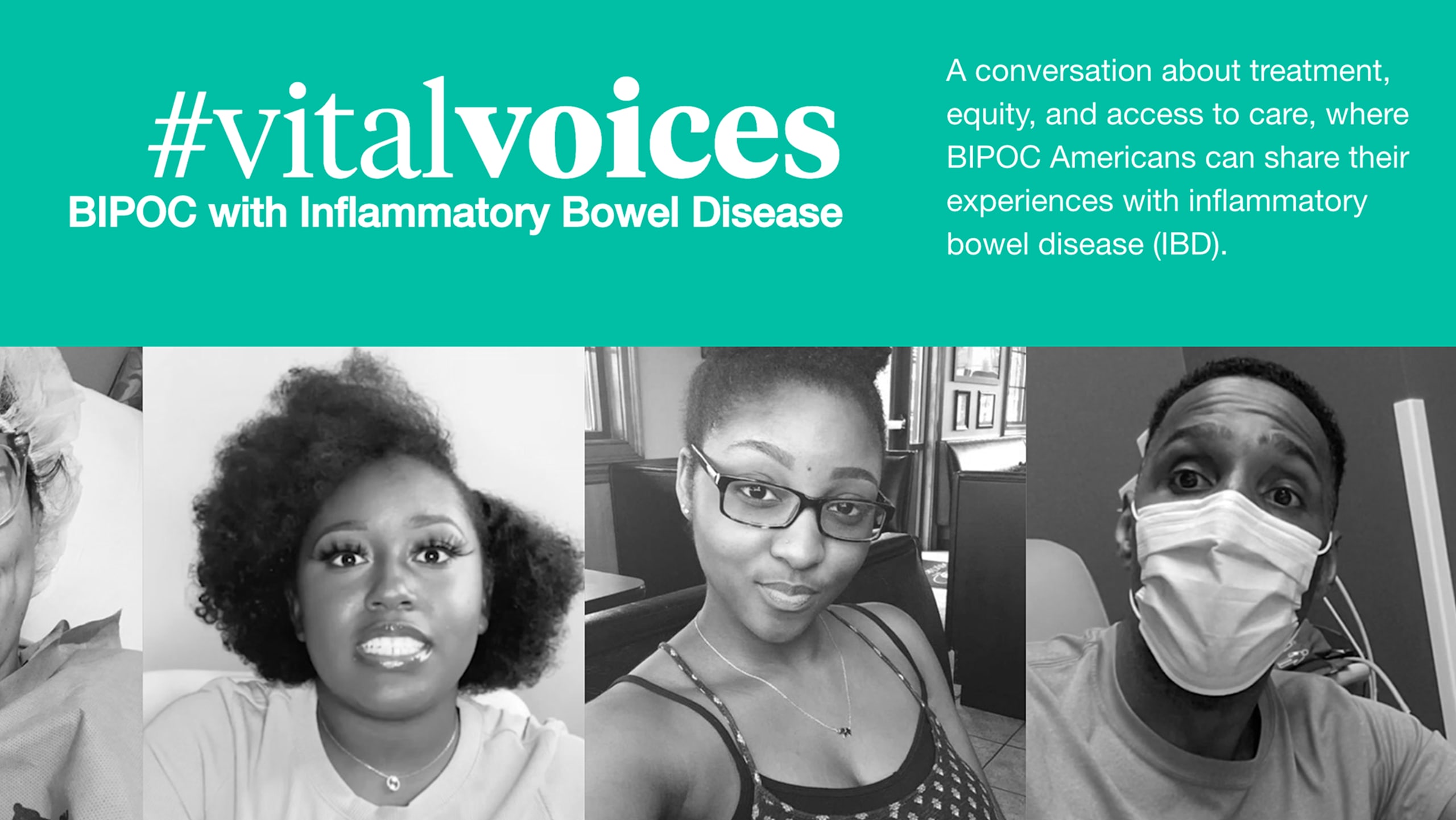
Vital Voices: BIPOC with Inflammatory Bowel Disease
Interactive

Vital Voices: BIPOC with Inflammatory Bowel Disease

Interactive Patient Story - UC
Interactive

Interactive Patient Story - UC

Nutritional supplements for people with Crohn's disease
Article

Nutritional supplements for people with Crohn's disease

Common nutritional deficiencies in people who have IBD and the supplements that can help.

4 ways to avoid flares when you have UC
Article

4 ways to avoid flares when you have UC

If you are living with IBD, learn how a few lifestyle changes could help ease your symptoms.

What medications are used to treat ulcerative colitis?
Article

What medications are used to treat ulcerative colitis?

Learn about the medications that can help control inflammation for people who have UC.

Coping with the mental and emotional burden of ulcerative colitis
Article

Coping with the mental and emotional burden of ulcerative colitis

Like other chronic illnesses, ulcerative colitis can affect mental and emotional health.

5 steps to living well with ulcerative colitis
Article

5 steps to living well with ulcerative colitis

How taking a proactive approach can help you get more out of treatment.

Crohn's disease: 5 topics to discuss with your doctor
Article

Crohn's disease: 5 topics to discuss with your doctor

Questions and topics to help you prepare for an appointment with your healthcare provider.

Crohn's disease: talking to your doctor about fatigue
Article

Crohn's disease: talking to your doctor about fatigue

Learn four ways Crohn’s disease contributes to fatigue and how to discuss fatigue with your healthcare providers.

How Crohn's disease impacts mental health
Article

How Crohn's disease impacts mental health

How to get help for feelings of depression and anxiety when you have IBD.

Is there a link between psoriasis and inflammatory bowel disease?
Article

Is there a link between psoriasis and inflammatory bowel disease?

Learn how these two inflammatory conditions are connected and what psoriasis patients need to know.

Do you need surgery to treat ulcerative colitis?
Article

Do you need surgery to treat ulcerative colitis?

Find out when to start thinking about surgery for your inflammatory bowel disease (IBD).

5 ways IBD can harm your health
Article

5 ways IBD can harm your health

Learn how the impact of inflammatory bowel disease (IBD) can extend beyond the digestive system.

Strategies for a better night's sleep with IBD
Article

Strategies for a better night's sleep with IBD

Understand the cyclical relationship between sleep problems and inflammatory bowel disease, and what you can do about it.

Working when you have Crohn's disease
Article

Working when you have Crohn's disease

Tips for finding the right job, maintaining work/life balance, and preparing for a day at work.

Can meditation help with inflammatory bowel disease?
Article

Can meditation help with inflammatory bowel disease?

Why people with inflammatory bowel disease might consider making meditation a part of treatment.

How UC can damage your joints and bones
Article

How UC can damage your joints and bones

How ulcerative colitis can contribute to painful symptoms in your joints and bones.

Can mindful eating help you manage ulcerative colitis?
Article

Can mindful eating help you manage ulcerative colitis?

How mindful eating can benefit digestion and help lower stress.

Staying hydrated when you have ulcerative colitis
Article

Staying hydrated when you have ulcerative colitis

Why people who have ulcerative colitis are at risk for dehydration and what they can do to stay hydrated.

5 answers about biologic therapies for IBD
Article

5 answers about biologic therapies for IBD

How biologic therapies may help people with inflammatory bowel disease achieve and maintain remission.

Avoiding stress-induced IBD flares
Article

Avoiding stress-induced IBD flares

Learn about the connection between IBD and stress, plus strategies to reduce stress.

9-minute meditation for ulcerative colitis
Video

9-minute meditation for ulcerative colitis

Meditation can bring lasting improvements to quality of life when you have inflammatory bowel disease.

Mind your health: ulcerative colitis, Crohn's disease, and mental health
Video

Mind your health: ulcerative colitis, Crohn's disease, and mental health

When building a treatment plan for ulcerative colitis and Crohn's disease, you should focus on your mental health and physical condition.

7 foods to skip if you have IBD
Slideshow

7 foods to skip if you have IBD

Steering clear of these foods can help ease digestion.

AskMD by Sharecare LogoAskMD by Sharecare Logo
Privacy policyConsumer health data privacyTerms of use
Cookie policyYour privacy choices

© 2026 Sharecare, Inc.

ask-mdask-md
AskMD by Sharecare LogoAskMD by Sharecare Logo
Privacy policyConsumer health data privacyTerms of use
Cookie policyYour privacy choices

© 2026 Sharecare, Inc.