
4 ways to avoid flares when you have UC


LearnDigestive healthControlling Crohn’s disease and ulcerative colitis4 ways to avoid flares when you have UC
  • Quit smoking
  • Do not overuse pain relievers
  • Focus on what you eat
  • Reduce stress

Bad habits can pose some big problems. They can be a major source of conflict in a relationship, and may even keep you from reaching your true potential. Even when you know it's bad for you, some habits can be hard to break when they feel so good. But when you're living with ulcerative colitis or another form of inflammatory bowel disease (IBD), it's a different story. Sometimes you have no other choice but to give up those behaviors, so that you can feel your best and get the most out of your IBD treatment plan. If you or someone you care for is living with ulcerative colitis or Crohn's disease, here are a few lifestyle changes that can have a big impact.

Quit smoking

Smoking is terrible for anyone's health, but smoking and IBD? That's a mix made for disaster. No doctor would ever tell you to keep puffing away, says Marc Sonenshine, MD, a gastroenterologist at Atlanta Gastroenterology Associates in Atlanta, Georgia. "I'd never advocate it because it's just so bad for your health—especially your heart and lungs." And if you have Crohn's, it's especially bad news. "Smoking can promote more flare-ups in people with Crohn's disease," Dr. Soneshine says. "And it may even prevent treatment from working and thus doesn't help put the disease into remission."

If you're ready to quit, try building a support system of people who can help you quit—like family, friends or a coach. You can also write down a list of reasons to quit. Sonenshine says sugarless chewing gum instead of cigarettes can help with the oral fixation of smoking. And be sure to set a firm quit date, too.

Do not overuse pain relievers

The inflammation associated with IBD can also mean you suffer from joint pain. But if you're managing those aches with a daily dose of pain relievers, like ibuprofen or other non-steroidal anti-inflammatory drugs (NSAIDs), it's just another way to make your symptoms worse. "If you can control the inflammation in your gastrointestinal (GI) tract, joint pain often goes away," says Sonenshine. "Meds like ibuprofen make it difficult for the GI tract to heal and can even cause more damage."

Sonenshine suggests that if you have to take a pain reliever for joint pain, use acetaminophen (Tylenol) instead. Using ibuprofen when you have IBD could make symptoms worse. He also notes that exercise, stretching and some forms of alternative medicine (like massage, meditation and acupuncture) are great ways to ease joint pain without aggravating the GI tract.

Focus on what you eat

Did you know that most people with GI issues also have symptoms of irritable bowel syndrome (IBS)? It's a condition that can put your eating habits into a tailspin. The volume of the food isn't an issue, says Sonenshine, but rather it's the type of food that's a problem. And when you're not eating well, you're more likely to develop IBS on top of IBD. "It's really important for IBD sufferers to eat a well-balanced diet," says Sonenshine. "And because eating can be difficult, I recommend patients take a one-a-day multivitamin or prenatal vitamin."

Reduce stress

Everyone has some amount of stress. And even though experts confirm it doesn't cause IBD, stress can make your IBD symptoms worse. "It's definitely a larger issue for sufferers," says Sonenshine. "While there's no direct link to inflammation, stress can make you concentrate more on the disease, lead to flare-ups and IBD symptoms, and may impact the effectiveness of your IBD meds." The solution? Build up your stress management skills—like exercising more, listening to relaxing music or talking through your problems with a therapist—so you can cope with the disease and how it impacts other areas of your life.
Written by Jameson Kowalczyk.
Medically reviewed by Amy Gonzales, MD.March, 2024
Updated onAugust, 2026
Written by Jameson Kowalczyk.
Medically reviewed by Amy Gonzales, MD.March, 2024
Updated onAugust, 2026
  • Quit smoking
  • Do not overuse pain relievers
  • Focus on what you eat
  • Reduce stress

Featured content

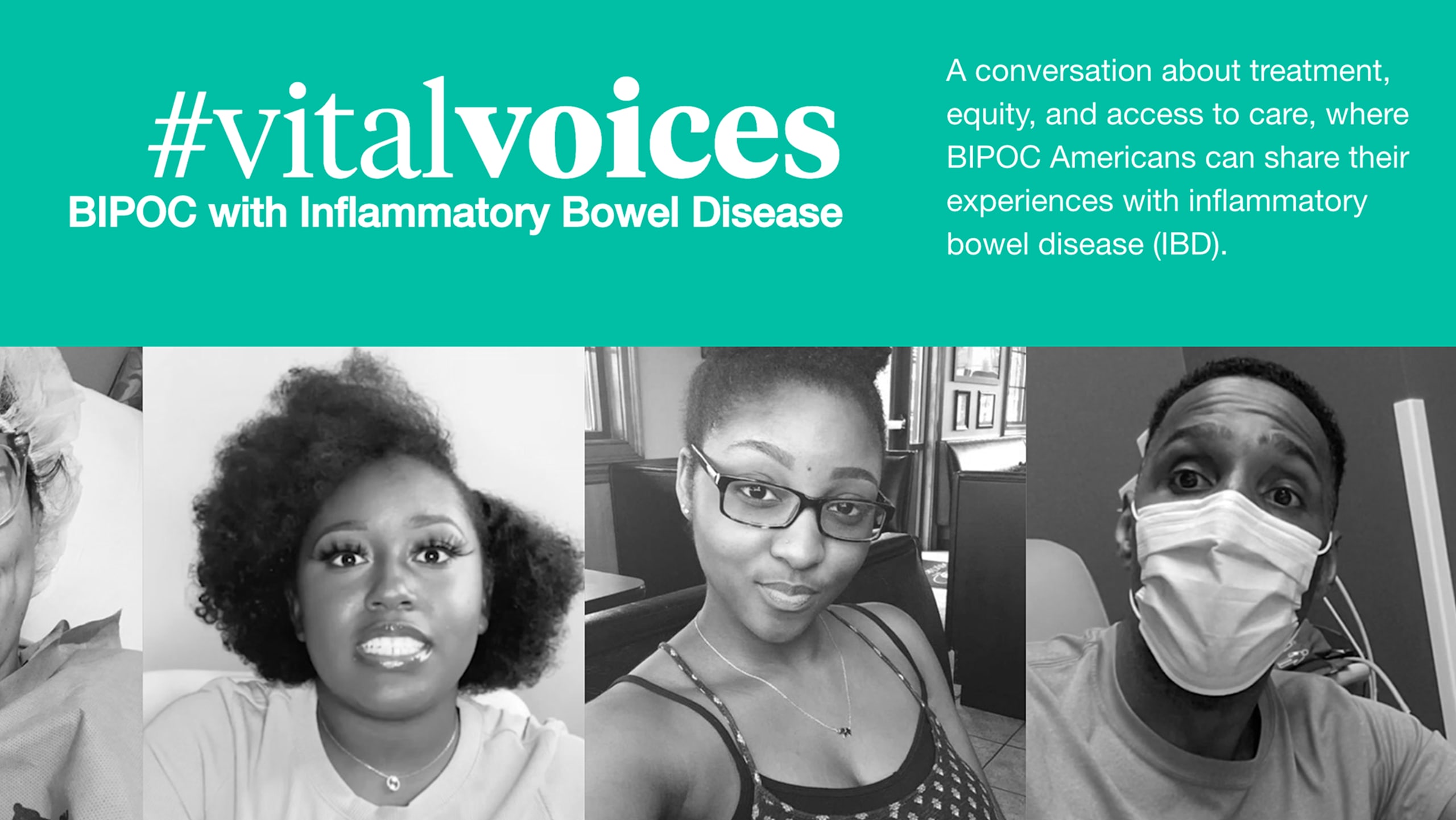
Vital Voices: BIPOC with Inflammatory Bowel Disease
Interactive

Vital Voices: BIPOC with Inflammatory Bowel Disease

Interactive Patient Story - UC
Interactive

Interactive Patient Story - UC

Nutritional supplements for people with Crohn's disease
Article

Nutritional supplements for people with Crohn's disease

Common nutritional deficiencies in people who have IBD and the supplements that can help.

What medications are used to treat ulcerative colitis?
Article

What medications are used to treat ulcerative colitis?

Learn about the medications that can help control inflammation for people who have UC.

Coping with the mental and emotional burden of ulcerative colitis
Article

Coping with the mental and emotional burden of ulcerative colitis

Like other chronic illnesses, ulcerative colitis can affect mental and emotional health.

5 steps to living well with ulcerative colitis
Article

5 steps to living well with ulcerative colitis

How taking a proactive approach can help you get more out of treatment.

Crohn's disease: 5 topics to discuss with your doctor
Article

Crohn's disease: 5 topics to discuss with your doctor

Questions and topics to help you prepare for an appointment with your healthcare provider.

Crohn's disease: talking to your doctor about fatigue
Article

Crohn's disease: talking to your doctor about fatigue

Learn four ways Crohn’s disease contributes to fatigue and how to discuss fatigue with your healthcare providers.

How Crohn's disease impacts mental health
Article

How Crohn's disease impacts mental health

How to get help for feelings of depression and anxiety when you have IBD.

Is there a link between psoriasis and inflammatory bowel disease?
Article

Is there a link between psoriasis and inflammatory bowel disease?

Learn how these two inflammatory conditions are connected and what psoriasis patients need to know.

Do you need surgery to treat ulcerative colitis?
Article

Do you need surgery to treat ulcerative colitis?

Find out when to start thinking about surgery for your inflammatory bowel disease (IBD).

6 drug options for Crohn's disease
Article

6 drug options for Crohn's disease

Whether you have mild or severe IBD, these Crohn's meds can help stop your symptoms.

5 ways IBD can harm your health
Article

5 ways IBD can harm your health

Learn how the impact of inflammatory bowel disease (IBD) can extend beyond the digestive system.

Strategies for a better night's sleep with IBD
Article

Strategies for a better night's sleep with IBD

Understand the cyclical relationship between sleep problems and inflammatory bowel disease, and what you can do about it.

Working when you have Crohn's disease
Article

Working when you have Crohn's disease

Tips for finding the right job, maintaining work/life balance, and preparing for a day at work.

Can meditation help with inflammatory bowel disease?
Article

Can meditation help with inflammatory bowel disease?

Why people with inflammatory bowel disease might consider making meditation a part of treatment.

How UC can damage your joints and bones
Article

How UC can damage your joints and bones

How ulcerative colitis can contribute to painful symptoms in your joints and bones.

Can mindful eating help you manage ulcerative colitis?
Article

Can mindful eating help you manage ulcerative colitis?

How mindful eating can benefit digestion and help lower stress.

Staying hydrated when you have ulcerative colitis
Article

Staying hydrated when you have ulcerative colitis

Why people who have ulcerative colitis are at risk for dehydration and what they can do to stay hydrated.

5 answers about biologic therapies for IBD
Article

5 answers about biologic therapies for IBD

How biologic therapies may help people with inflammatory bowel disease achieve and maintain remission.

Avoiding stress-induced IBD flares
Article

Avoiding stress-induced IBD flares

Learn about the connection between IBD and stress, plus strategies to reduce stress.

9-minute meditation for ulcerative colitis
Video

9-minute meditation for ulcerative colitis

Meditation can bring lasting improvements to quality of life when you have inflammatory bowel disease.

Mind your health: ulcerative colitis, Crohn's disease, and mental health
Video

Mind your health: ulcerative colitis, Crohn's disease, and mental health

When building a treatment plan for ulcerative colitis and Crohn's disease, you should focus on your mental health and physical condition.

7 foods to skip if you have IBD
Slideshow

7 foods to skip if you have IBD

Steering clear of these foods can help ease digestion.

AskMD by Sharecare LogoAskMD by Sharecare Logo
Privacy policyConsumer health data privacyTerms of use
Cookie policyYour privacy choices

© 2026 Sharecare, Inc.

ask-mdask-md
AskMD by Sharecare LogoAskMD by Sharecare Logo
Privacy policyConsumer health data privacyTerms of use
Cookie policyYour privacy choices

© 2026 Sharecare, Inc.