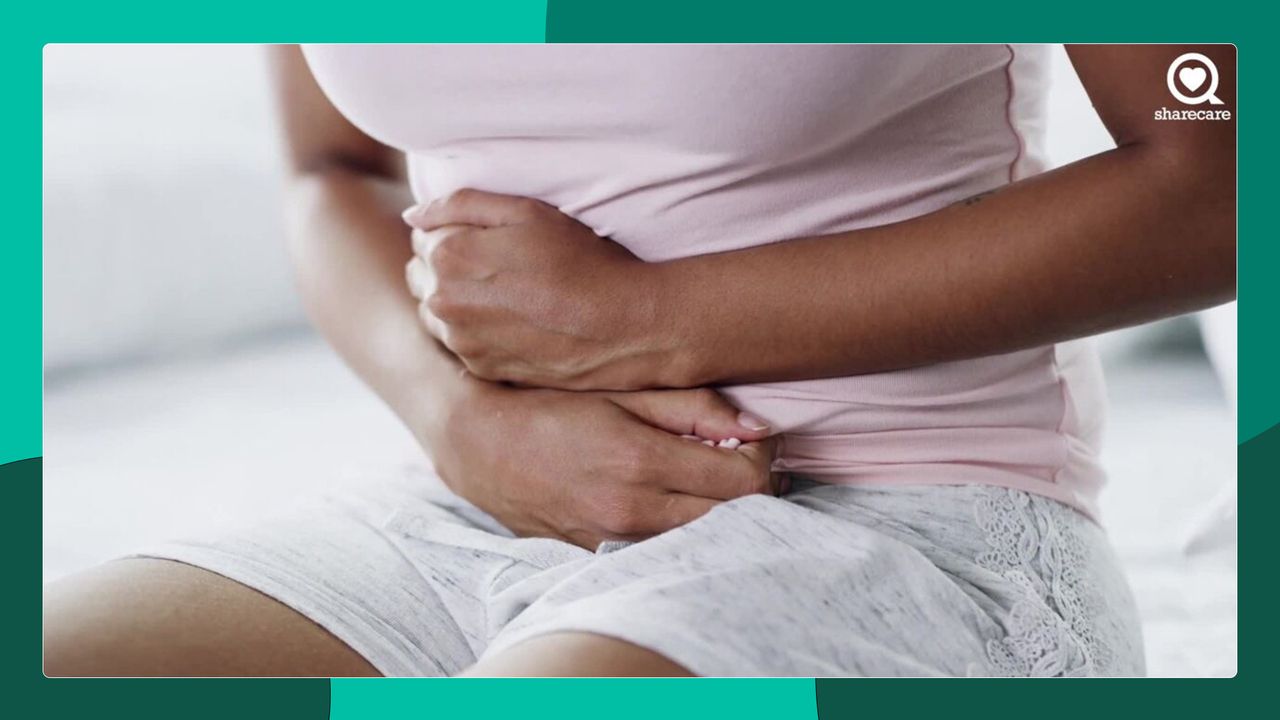
How Crohn's disease impacts mental health


LearnDigestive healthControlling Crohn’s disease and ulcerative colitisHow Crohn's disease impacts mental health
  • Making mental health a focus of treatment
  • Symptoms of depression

Crohn’s disease is a chronic disorder that causes inflammation in the digestive tract. It is one of the two main types of inflammatory bowel disease (IBD). The other type is ulcerative colitis (UC).

Depression and anxiety are more prevalent in people who have IBD, though the relationship between these conditions is not fully understood. It is believed that the relationship is complex and there are a number of factors at play, including:

  • Living with a chronic relapsing condition like IBD can cause feelings of chronic stress, uncertainty, poor self-image, and other negative emotions. These feelings may make existing symptoms of depression and anxiety worse.
  • Stress and negative emotions can have physical effects on the body, disrupting the normal functioning of the gut and the immune system, and promoting inflammation. Stress and negative emotions can trigger or exacerbate flares of IBD symptoms.
  • Living with depression and anxiety can also make it harder to adhere to the necessary steps a person must take to effectively manage IBD. This may lead to worse outcomes.

Remember that you do not have to cope with IBD or negative emotions on your own. Your healthcare providers can help.

Making mental health a focus of treatment

It is important to make mental health a focus of treatment for IBD. In order to provide you with the best treatment possible, your healthcare providers need to know how you are feeling. Tell your healthcare providers about:

  • The moods and emotions you are experiencing.
  • How IBD symptoms are impacting your quality of life
  • How moods and emotions are impacting your quality of life
  • How moods and IBD are impacting your relationships
  • Any difficulties you are having following your treatment plan for IBD

Your healthcare team can recommend strategies for coping with the challenges of living with IBD and can refer you to other healthcare providers who can help, such as a therapist or psychiatrist who can accurately diagnose what you are experiencing and provide you with appropriate care.

Symptoms of depression

Depression is a serious medical condition that requires treatment. It is important to be able to recognize the symptoms of depression in yourself, and in a loved one. These symptoms may include:

  • Persistent feelings of sadness, anxiety, or feeling empty
  • Feelings of hopelessness and/or pessimism
  • Feelings of guilt, worthlessness and/or helplessness
  • Irritability and restlessness
  • Loss of interest in activities or hobbies that you enjoy
  • Loss of interest in sex
  • Fatigue and decreased energy levels
  • Difficulty concentrating, remembering details, and/or making decisions
  • Changes in sleep habits, including insomnia, waking early in the morning, or excessive sleeping
  • Changes in eating habits, including overeating or appetite loss
  • Thoughts of suicide

If you or someone you know is having thoughts of self-harm or suicide, seek help immediately. Licensed mental health professionals are available at the National Suicide Prevention Lifeline. These professionals can listen to what you have to say and guide you through steps that can keep you safe. To contact the National Suicide Prevention Lifeline, call 1-800-273-8255 or call, text, or chat 988.

Sources: Centers for Disease Control and Preventi... + 11
  1. Centers for Disease Control and Prevention. "What is inflammatory bowel disease (IBD)?"
  2. Glynis Byrne, Greg Rosenfeld, et al. "Prevalence of Anxiety and Depression in Patients with Inflammatory Bowel Disease." Canadian Journal of Gastroenterology & Hepatology, 2017.
  3. Crohn's & Colitis Foundation. "Fact Sheet."
  4. Kookhwan Choi, Jaeyoung Chun, et al. "Risk of Anxiety and Depression in Patients with Inflammatory Bowel Disease: A Nationwide, Population-Based Study." Journal of Clinical Medicine, 2019. Vol. 8, No. 5.
  5. American Psychological Association. "Stress effects on the body."
  6. American Psychological Association. "Stress Weakens the Immune System."
  7. Yun-Zi Liu, Yun-Xia Wang, and Chun-Lei Jiang. "Inflammation: The Common Pathway of Stress-Related Diseases." Frontiers in Human Neuroscience, 2017. Vol. 11, No. 316.
  8. Yue Sun, Lu Li, et al. "Stress Triggers Flare of Inflammatory Bowel Disease in Children and Adults." Frontiers in Pediatrics, 2019. Vol. 7, No. 432.
  9. Laurie Keefer and Sunanda V. Kane. "Considering the Bidirectional Pathways Between Depression and IBD: Recommendations for Comprehensive IBD Care." Gastroenterology & Hepatology, 2017. Vol. 13, No. 3.
  10. Crohn's & Colitis Foundation. "Talking to Your Healthcare Team."
  11. National Institute of Mental Health. "Depression."
  12. Chaoran Zhang, Glynis Byrne, et al. "Incidence of Suicide in Inflammatory Bowel Disease: A Systematic Review and Meta-Analysis." Journal of the Canadian Association of Gastroenterology, 2018. Vol. 1, No. 3.
Written by Jameson Kowalczyk.
Medically reviewed by Mark Arredondo, MD.June, 2024
Updated onAugust, 2026
Written by Jameson Kowalczyk.
Medically reviewed by Mark Arredondo, MD.June, 2024
Updated onAugust, 2026
  • Making mental health a focus of treatment
  • Symptoms of depression

Featured content

Vital Voices: BIPOC with Inflammatory Bowel Disease
Interactive

Vital Voices: BIPOC with Inflammatory Bowel Disease

Interactive Patient Story - UC
Interactive

Interactive Patient Story - UC

Nutritional supplements for people with Crohn's disease
Article

Nutritional supplements for people with Crohn's disease

Common nutritional deficiencies in people who have IBD and the supplements that can help.

4 ways to avoid flares when you have UC
Article

4 ways to avoid flares when you have UC

If you are living with IBD, learn how a few lifestyle changes could help ease your symptoms.

What medications are used to treat ulcerative colitis?
Article

What medications are used to treat ulcerative colitis?

Learn about the medications that can help control inflammation for people who have UC.

Coping with the mental and emotional burden of ulcerative colitis
Article

Coping with the mental and emotional burden of ulcerative colitis

Like other chronic illnesses, ulcerative colitis can affect mental and emotional health.

5 steps to living well with ulcerative colitis
Article

5 steps to living well with ulcerative colitis

How taking a proactive approach can help you get more out of treatment.

Crohn's disease: 5 topics to discuss with your doctor
Article

Crohn's disease: 5 topics to discuss with your doctor

Questions and topics to help you prepare for an appointment with your healthcare provider.

Crohn's disease: talking to your doctor about fatigue
Article

Crohn's disease: talking to your doctor about fatigue

Learn four ways Crohn’s disease contributes to fatigue and how to discuss fatigue with your healthcare providers.

Is there a link between psoriasis and inflammatory bowel disease?
Article

Is there a link between psoriasis and inflammatory bowel disease?

Learn how these two inflammatory conditions are connected and what psoriasis patients need to know.

Do you need surgery to treat ulcerative colitis?
Article

Do you need surgery to treat ulcerative colitis?

Find out when to start thinking about surgery for your inflammatory bowel disease (IBD).

6 drug options for Crohn's disease
Article

6 drug options for Crohn's disease

Whether you have mild or severe IBD, these Crohn's meds can help stop your symptoms.

5 ways IBD can harm your health
Article

5 ways IBD can harm your health

Learn how the impact of inflammatory bowel disease (IBD) can extend beyond the digestive system.

Strategies for a better night's sleep with IBD
Article

Strategies for a better night's sleep with IBD

Understand the cyclical relationship between sleep problems and inflammatory bowel disease, and what you can do about it.

Working when you have Crohn's disease
Article

Working when you have Crohn's disease

Tips for finding the right job, maintaining work/life balance, and preparing for a day at work.

Can meditation help with inflammatory bowel disease?
Article

Can meditation help with inflammatory bowel disease?

Why people with inflammatory bowel disease might consider making meditation a part of treatment.

How UC can damage your joints and bones
Article

How UC can damage your joints and bones

How ulcerative colitis can contribute to painful symptoms in your joints and bones.

Can mindful eating help you manage ulcerative colitis?
Article

Can mindful eating help you manage ulcerative colitis?

How mindful eating can benefit digestion and help lower stress.

Staying hydrated when you have ulcerative colitis
Article

Staying hydrated when you have ulcerative colitis

Why people who have ulcerative colitis are at risk for dehydration and what they can do to stay hydrated.

5 answers about biologic therapies for IBD
Article

5 answers about biologic therapies for IBD

How biologic therapies may help people with inflammatory bowel disease achieve and maintain remission.

Avoiding stress-induced IBD flares
Article

Avoiding stress-induced IBD flares

Learn about the connection between IBD and stress, plus strategies to reduce stress.

9-minute meditation for ulcerative colitis
Video

9-minute meditation for ulcerative colitis

Meditation can bring lasting improvements to quality of life when you have inflammatory bowel disease.

Mind your health: ulcerative colitis, Crohn's disease, and mental health
Video

Mind your health: ulcerative colitis, Crohn's disease, and mental health

When building a treatment plan for ulcerative colitis and Crohn's disease, you should focus on your mental health and physical condition.

7 foods to skip if you have IBD
Slideshow

7 foods to skip if you have IBD

Steering clear of these foods can help ease digestion.

AskMD by Sharecare LogoAskMD by Sharecare Logo
Privacy policyConsumer health data privacyTerms of use
Cookie policyYour privacy choices

© 2026 Sharecare, Inc.

ask-mdask-md
AskMD by Sharecare LogoAskMD by Sharecare Logo
Privacy policyConsumer health data privacyTerms of use
Cookie policyYour privacy choices

© 2026 Sharecare, Inc.