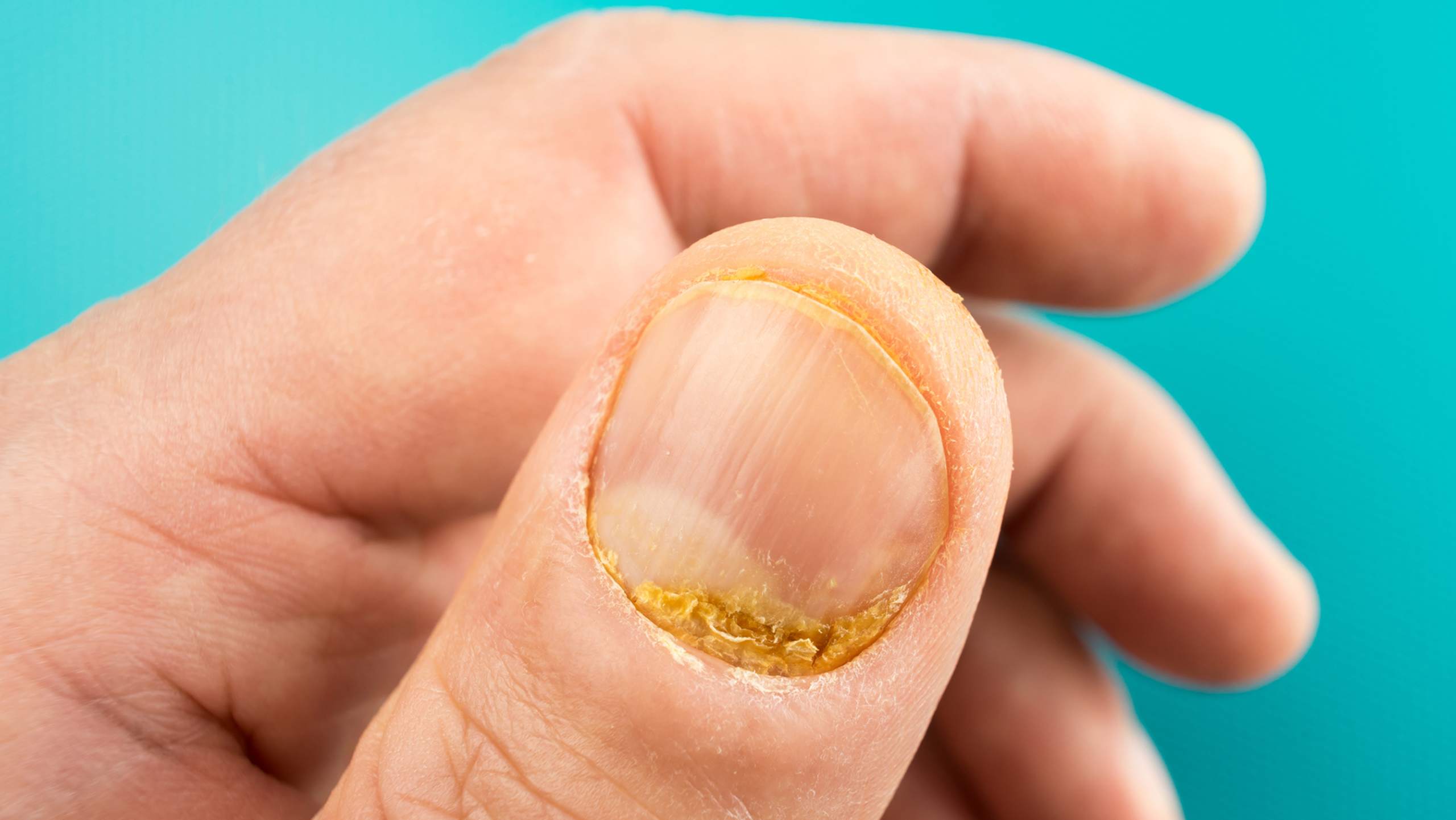
New symptoms could be a different type of psoriasis or another skin disorder.
Learn about psoriasis health risks, treatments, and more.
For psoriasis patients who are overweight or obese, losing weight may lead to fewer symptoms.
Don't let psoriasis keep you indoors.
Biologic therapies may be a treatment option if you have moderate-to-severe psoriasis. Learn how these treatments work.
Try these tips for lowering your stress levels and taking care of your mental health while living with psoriasis.
Discussing the skin condition and sex can be tough. Try these tips to make it a little easier.
Lifestyle changes, self-care strategies, and healthy habits to help you get the most out of your psoriasis treatment.
One of the best ways to manage your psoriasis symptom flare-ups is to keep track of what triggers them.
The exact cause of psoriasis is unknown, but there are a number of factors that can contribute to the disorder.
Learn why the impact psoriasis has on your quality of life is an important factor in determining severity.
Learn about the connection between psoriasis and psoriatic arthritis, including treatment.
What we do and don’t know about the role genetics play in the development of psoriasis.
Learn what goes in a personal health record and how keeping a PHR can help improve how you manage psoriasis.
If you’re feeling the mental and emotional burden of living with psoriasis, try adding one of these to your day.
Use these six strategies to help your skin get the most benefit from a daily bath or shower.
How meditation may help people with psoriasis cope with stress and improve symptoms.
While diet alone is not enough to manage psoriatic disease, many people follow a low-inflammatory diet.
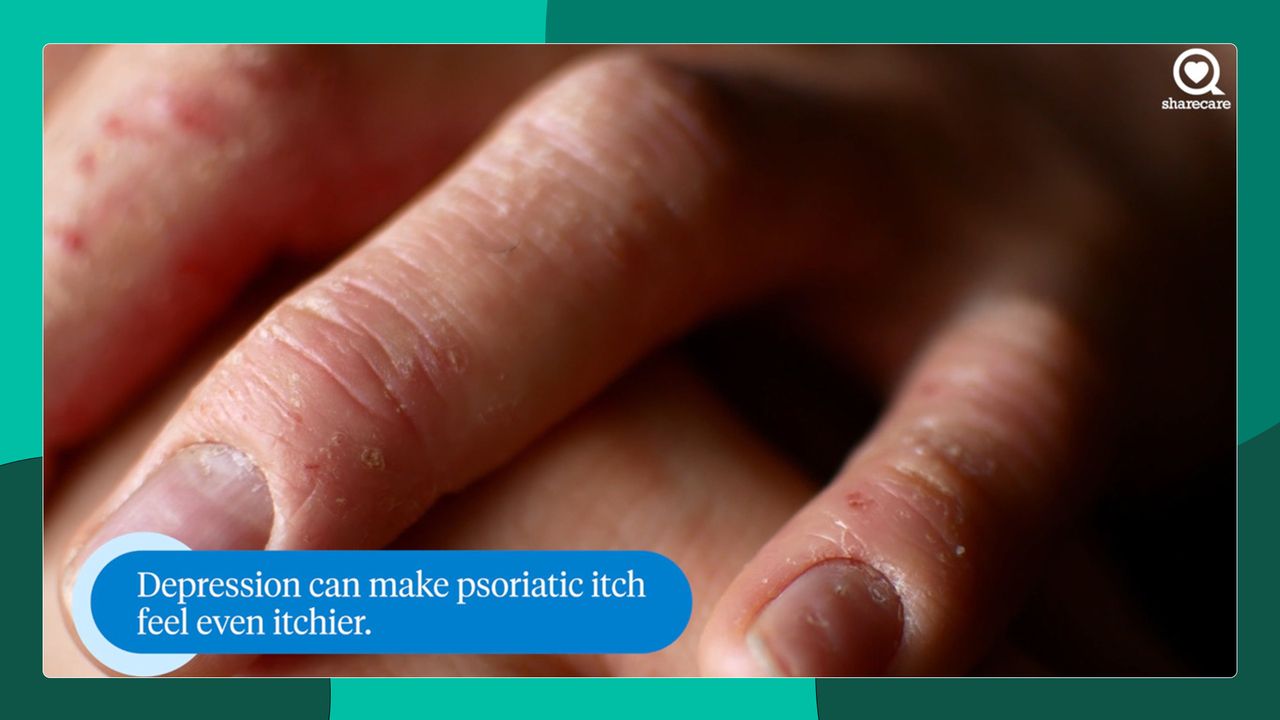
Learn about the ins and outs of anxiety and depression and how they interact with psoriasis.
Stress can play a major roll in psoriasis flare-ups. Take a break with this calming beginner's meditation session.