
When diagnosed with an illness or health condition, it is natural to want to know the cause. Unfortunately, there is not always a clear answer, as is the case with psoriasis.
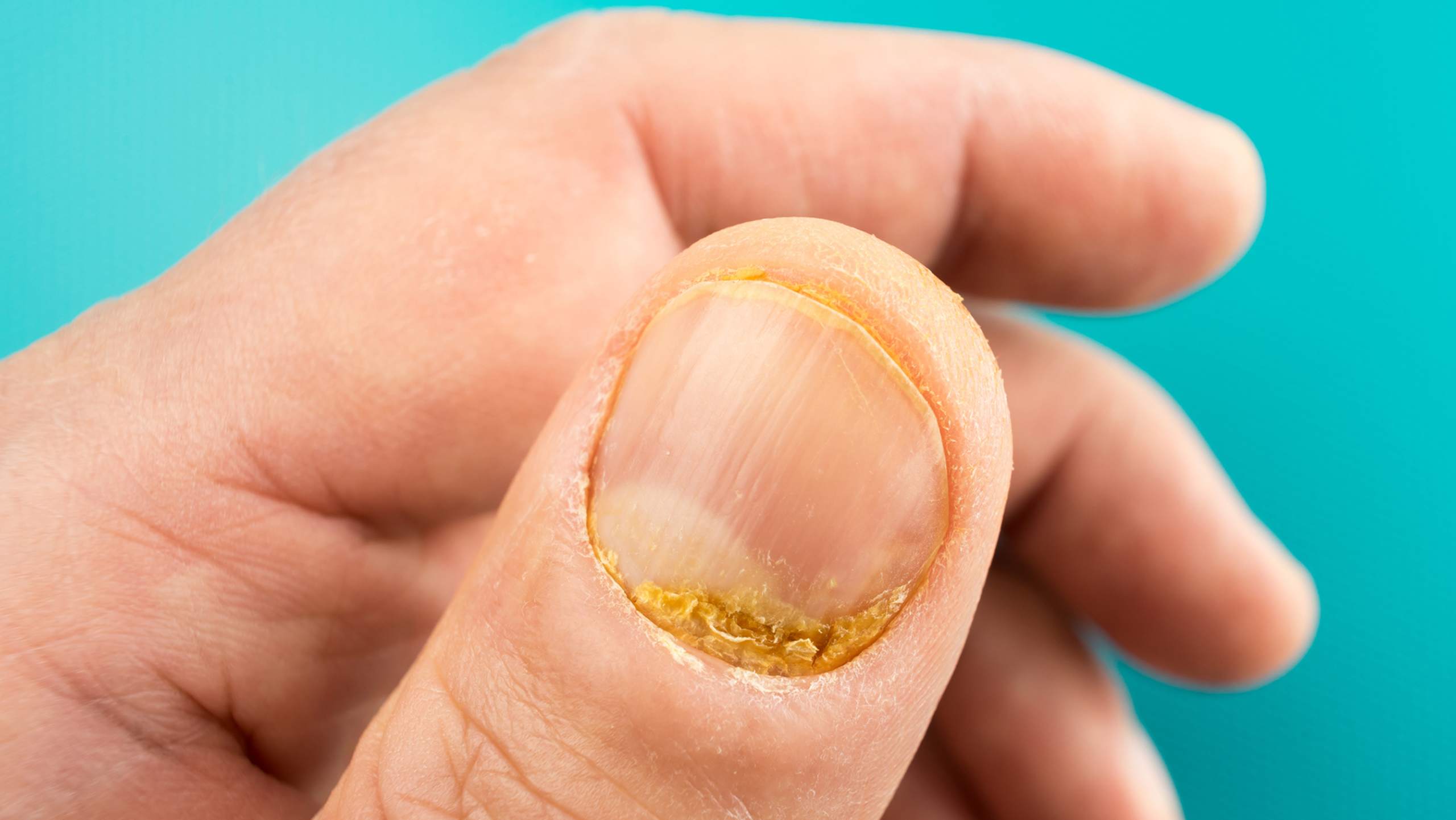
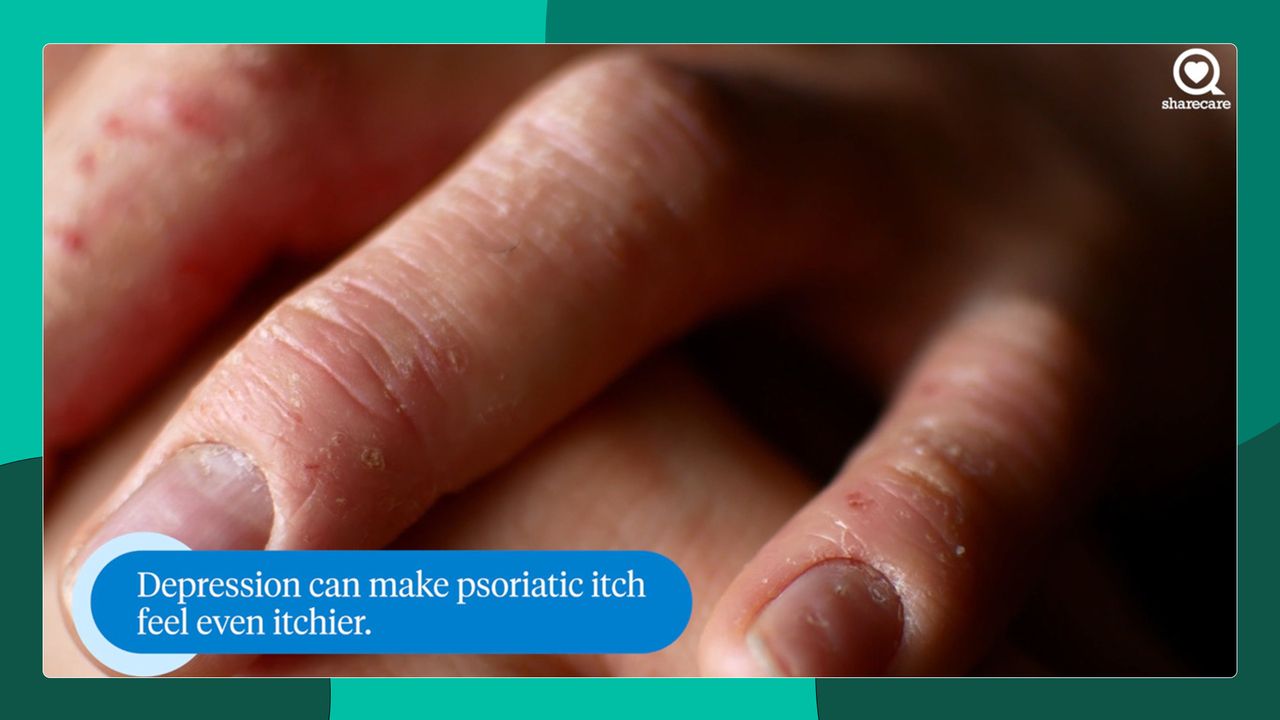
Psoriasis is a disorder that affects the skin. But it can also affect the nails on the fingers and toes, and cause inflammation in the joints (which is known as psoriatic arthritis). There are a number of different subtypes of psoriasis, the most common being plaque psoriasis. Plaque psoriasis results in thickened patches of skin, called plaques. Plaques are typically reddish and have a silvery, scaled texture.
The exact cause of psoriasis remains unknown. Psoriasis is believed to be caused by a combination of factors, including a person’s immune system and genetics, as well as illnesses, injuries, and medications taken for other conditions. Here, we look at what we do and do not know about the cause of psoriasis.
The immune system
Psoriatic disease—including psoriasis and psoriatic arthritis—is sometimes labeled as an “autoimmune” disease or an “immune-mediated” disease, meaning that its root cause is abnormal immune system function.
One of the key functions of the immune system is to regulate the lifecycle of cells. In the case of skin cells, immune cells help control the normal growth of new skin cells and the shedding of dead skin cells.
When a person has psoriasis, abnormal immune function causes skin cells to grow at a much faster rate than they can be shed. This causes a buildup of excess skin cells,—which are what form plaques, in the case of plaque psoriasis.
Genetics
Psoriatic disease tends to run in families—having a family member who has psoriasis means a person will have a greater risk of developing psoriasis. Research has also identified genetic factors that make a person more prone to developing psoriasis.
Medications
The onset of psoriasis or the worsening of psoriasis symptoms is also associated with a variety of medications. These include: lithium (which is used to treat numerous psychiatric disorders), anti-malarial drugs, certain medications for high blood pressure and heart disease, and certain non-steroidal anti-inflammatory drugs (NSAIDs). When treating any condition, it is important that your healthcare provider know about all of the medications you are taking, including over-the-counter medications and dietary supplements.
Injury, illness and mental stress
Sometimes, a particular event is tied to the onset of psoriasis. This can be an injury, illness, or something that causes a significant amount of mental stress.
Injuries to the skin, such as burns, sunburns, abrasions, cuts, or scrapes, have been associated with the onset of psoriasis for some people. In this case, psoriasis may form around the injured skin as the injury heals. In other cases, the onset of psoriasis follows an illness or infection. One of the more common examples of this is a type of psoriasis called guttate psoriasis, which has a different appearance than plaque psoriasis—small red spots, shaped like drops. Guttate psoriasis can be triggered by infections, and often affects children and people in their teens.
Life events that cause a significant amount of mental stress—such as a death in the family or financial difficulties—are also tied to the onset of psoriasis for some people. Even positive life events like planning a wedding or starting a new job can be stressful.
It is important to understand that many people with psoriasis will not able to identify a particular event that may associated with the onset of their symptoms.
Treating psoriasis
Psoriasis is a chronic condition, meaning there is no cure. However, there are treatments available, which are effective at controlling symptoms for many people with psoriasis. If you have psoriasis, it is important to work with a healthcare provider to develop a treatment plan that works for you.
Sources: UpToDate. "Patient education: Psoriasis ... + 10
- UpToDate. "Patient education: Psoriasis (Beyond the Basics)."
- UpToDate. "Patient education: Psoriatic arthritis (Beyond the Basics)."
- National Psoriasis Foundation. "Causes and Triggers."
- National Psoriasis Foundation. "About Psoriasis."
- Harvard Health Publishing. "Psoriasis: More than skin deep."
- Catherine T. Jordan, Li Cao, et al. "PSORS2 Is Due to Mutations in CARD14." American Journal of Human Genetics, May 2012. Vol. 90, No. 5.
- Merck Manual Consumer Version. "Psoriasis."
- Grace K. Kim, DO and James Q. Del Rosso, DO. "Drug-Provoked Psoriasis: Is It Drug Induced or Drug Aggravated? Understanding Pathophysiology and Clinical Relevance." Journal of Clinical and Aesthetic Dermatology, Jan. 2010. Vol. 3, No. 1.
- MedicalNewsToday. "Psoriasis: What is the Koebner phenomenon?"
- National Psoriasis Foundation. "Guttate Psoriasis."
- Esra Pancar Yuksel, Dilek Durmus and Gokhan Sarisoy. "Perceived stress, life events, fatigue and temperament in patients with psoriasis." Journal of International Medical Research, July 2019. Vol. 47, No. 9.