3 tips for managing the emotional impact of psoriasis

National Psoriasis Foundation

LearnSkinManaging moderate-to-severe plaque psoriasis3 tips for managing the emotional impact of psoriasis
  • What patients can do

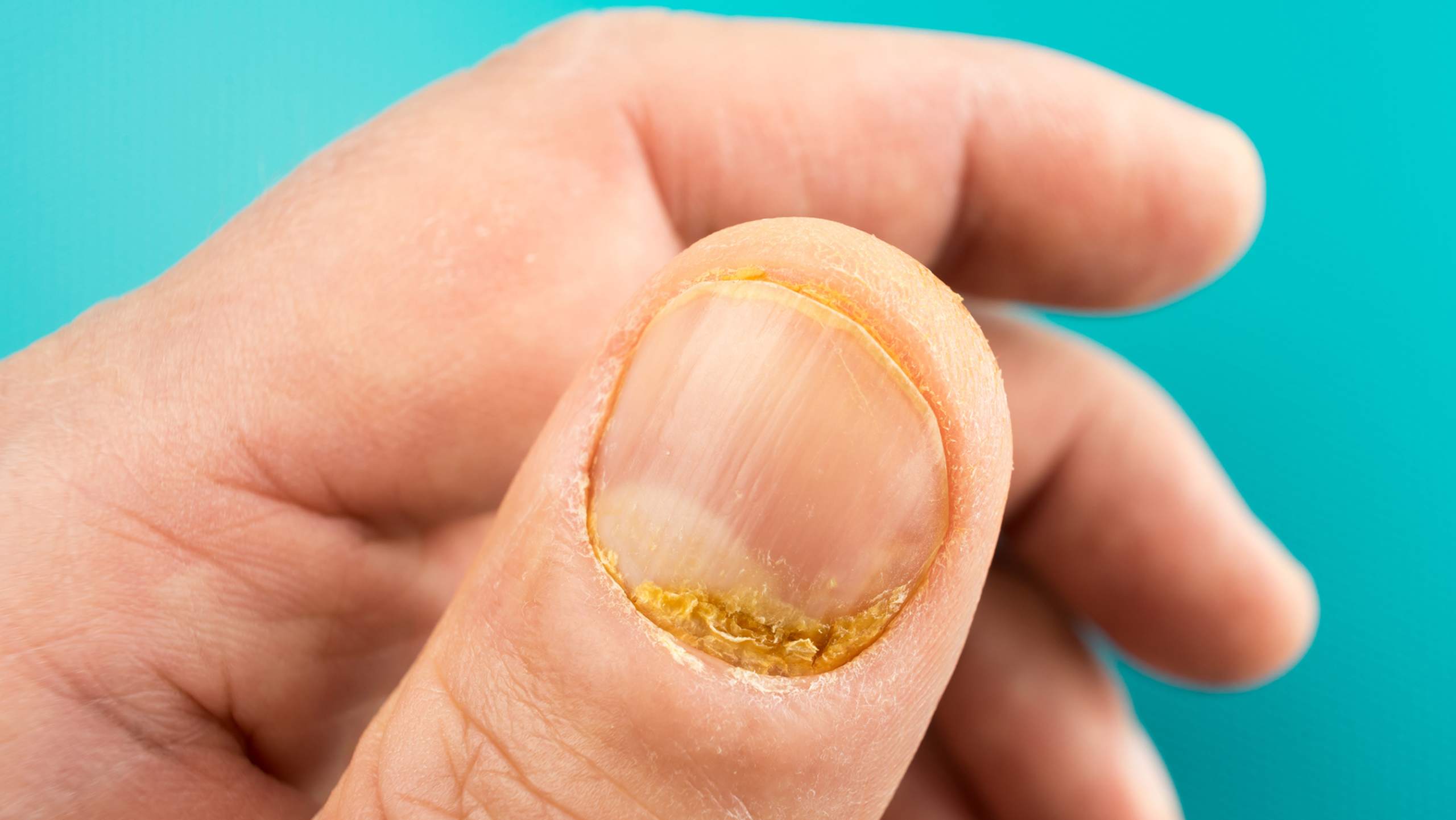
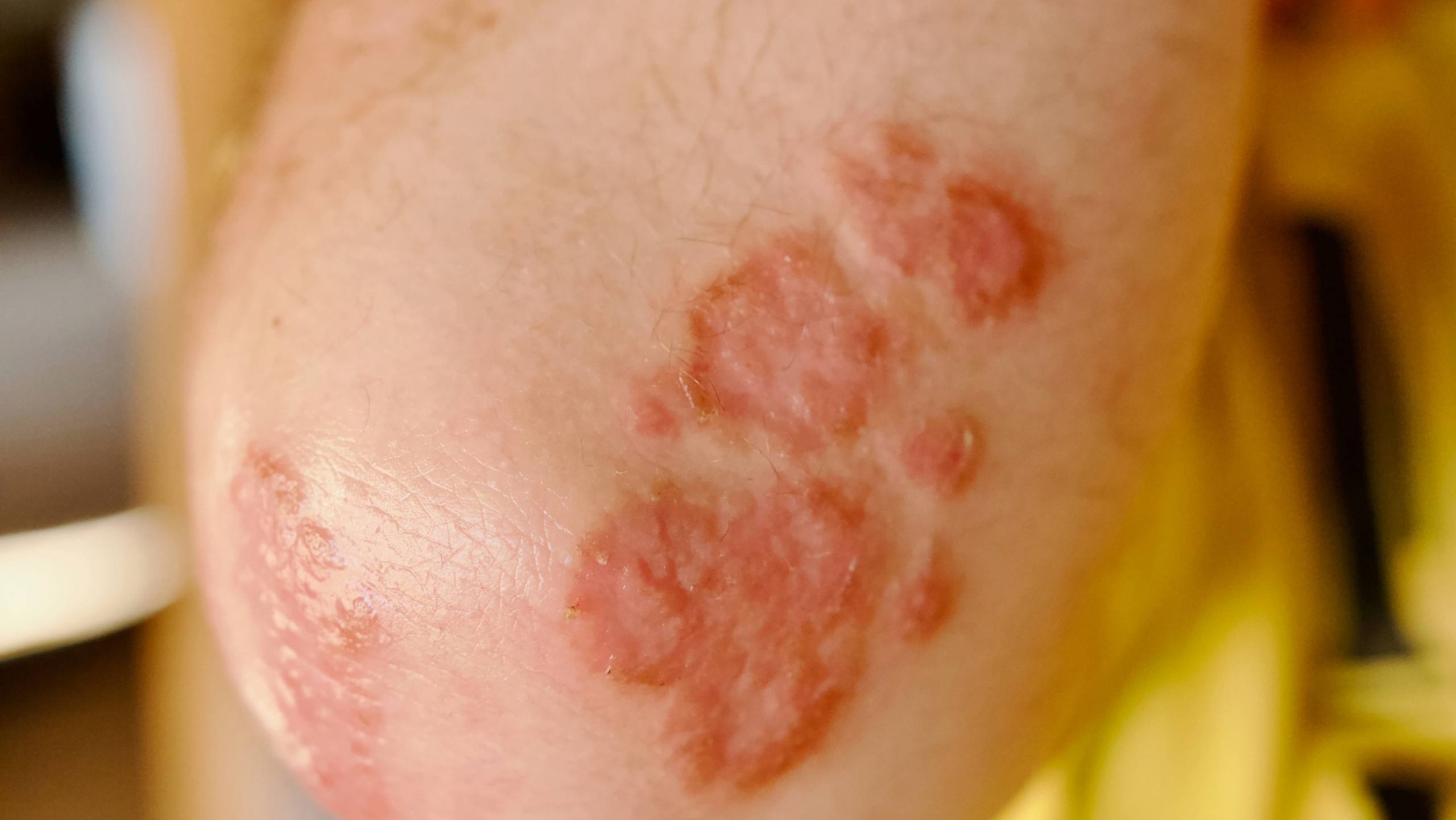
Plaque psoriasis is an autoimmune disease that causes raised, red, scaly patches on the skin. It typically affects the outside of the elbows, knees, and scalp, though it can appear on any part of the body. Some patients report that psoriasis itches, burns, and stings. Many experts believe that to develop psoriasis, a person must have a combination of the genes that cause psoriasis, and be exposed to specific external factors that trigger the onset of the condition.

While psoriasis is considered a chronic disease, it can go away for long periods of time once a patient has established an effective treatment plan. But it can come back. This cycle of remission and return can be very frustrating, and may be one reason why psoriasis can detract from quality of life as much as other chronic illnesses such as heart disease, depression, cancer, and diabetes.

What patients can do

Dealing with psoriasis can be tough, but rather than become discouraged and withdrawn, psoriasis patients should continue to work with a healthcare provider to find a treatment approach that works. Treatment can vary depending on the patient, the severity of the psoriasis, and the location of the psoriasis. If psoriasis isn’t improving under the care of one provider, it is worth seeking a second opinion.

In addition, because stress can aggravate psoriasis flare-ups, take these steps recommended by the National Psoriasis Foundation to help reduce stress:

Meditate

Meditation triggers a relaxation response that improves the immune system’s healing response, clears the mind, and reduces anxiety. To meditate, start by sitting comfortably with your eyes closed for as little as five minutes. Breathe slowly and deeply, and focus on your breath. Let your thoughts come and go, and when you become distracted, return to your breath. Gradually increase the amount of time you spend meditating, but make it a daily or twice-daily habit.

Exercise

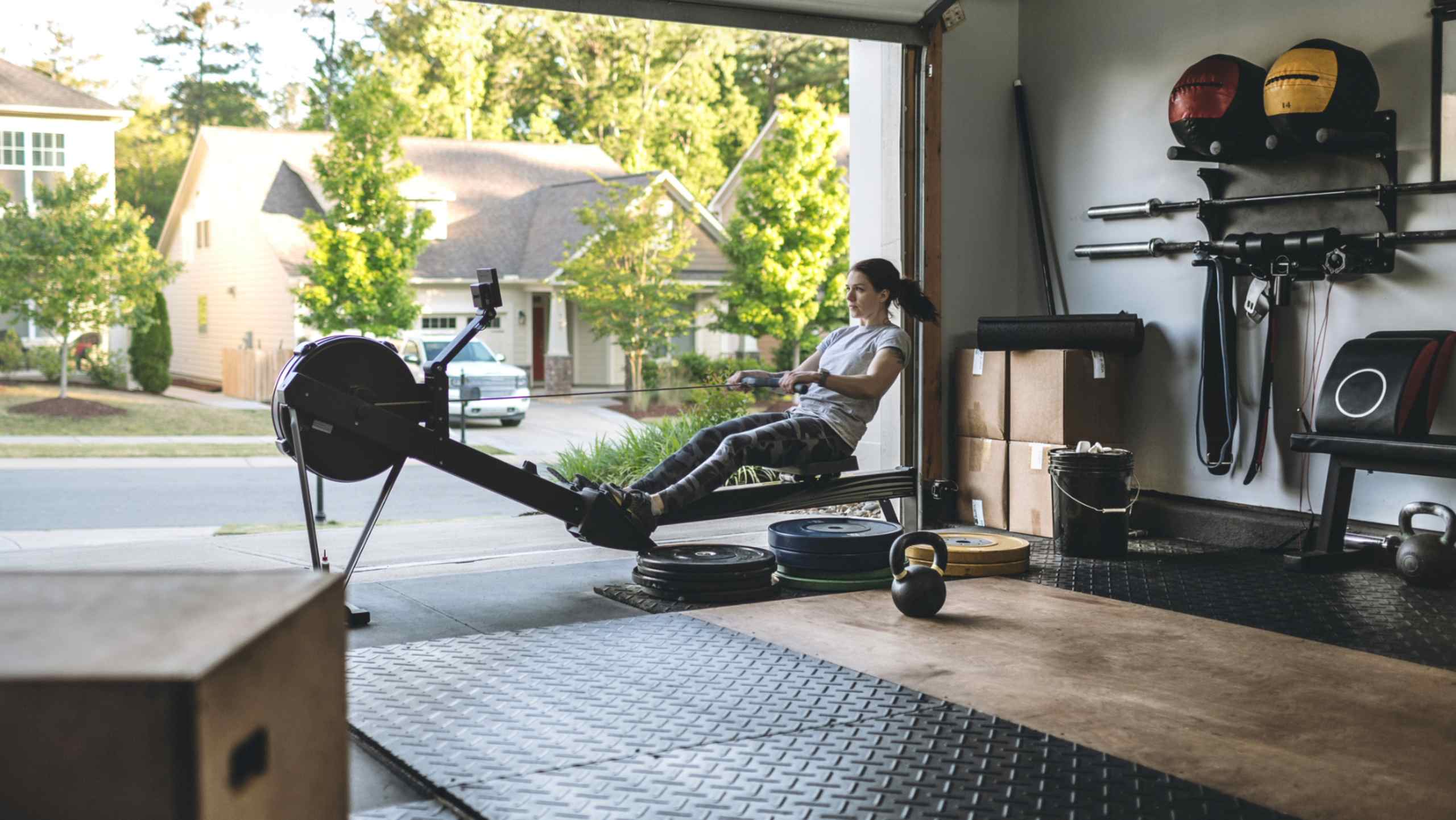
This is among the best tools the body has for naturally reducing stress, increasing circulation, and improving overall well-being. If you’re not already physically active, start by taking a daily walk for 20 minutes, then increase your time and/or add other fitness activities. You don’t have to exercise vigorously to receive the benefits; set a moderate pace and enjoy yourself.

Counseling or therapy

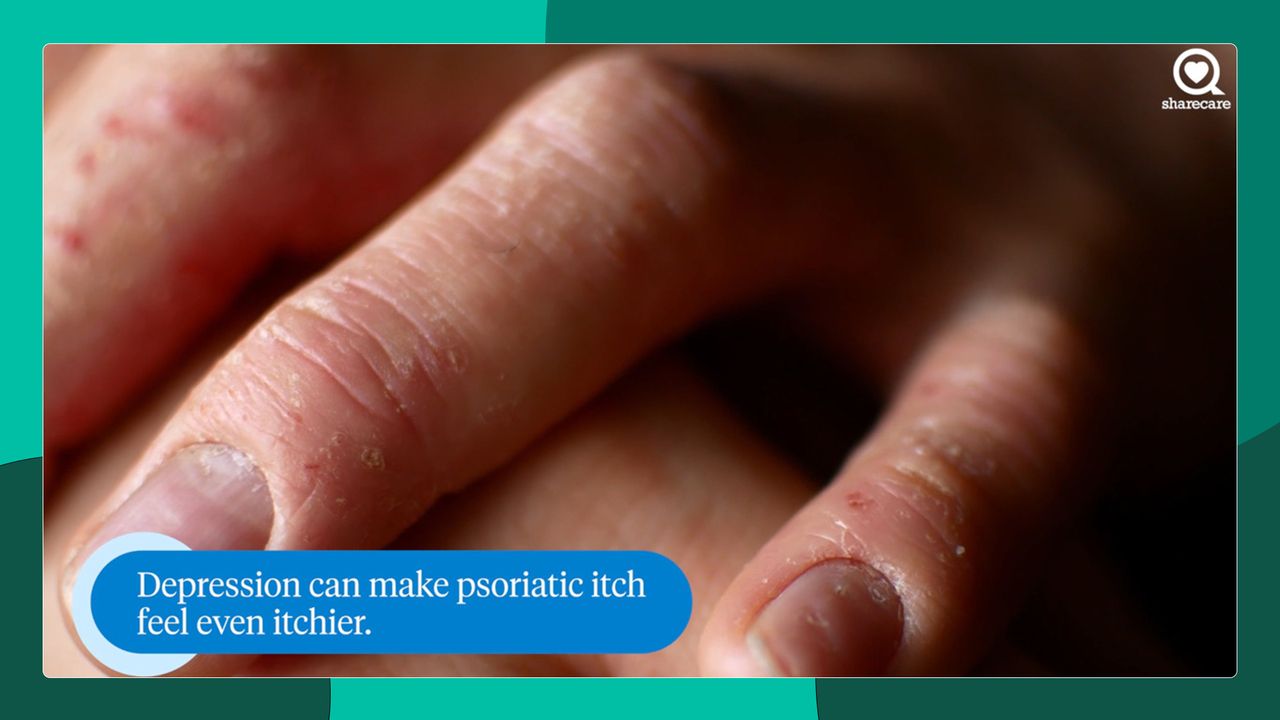
Find a counselor or a support group made up of individuals who understand the stress and frustrations that come with chronic illness. Sometimes, talking it out with people who truly get what you’re going through is just what the doctor ordered. If counseling is not enough to relieve your emotional symptoms, or if you’re experiencing depression and unrelenting anxiety, talk to your healthcare provider about other options, including anti-anxiety and anti-depression medications and treatments.

In addition, explore other avenues for self-care, like soothing baths and spending time outside. Hanging out in nature, even if it’s just on your balcony, in your garden, or at a local park can help you re-set your perspective, relieve stress and give your mind, body, and spirit a breath of fresh air.

Sources: American Academy of Dermatology. What Is... + 4
  1. American Academy of Dermatology. What Is Psoriasis? 2022. Accessed July 13, 2022.
  2. National Psoriasis Foundation. About Psoriasis. June 2, 2022. Accessed July 13, 2022.
  3. National Psoriasis Foundation. Life With Psoriasis. November 2, 2020. Accessed July 13, 2022.
  4. The Psoriasis and Psoriatic Arthritis Alliance. Psychological aspects of psoriasis. 2022. Accessed July 13, 2022.
  5. National Health Service (UK). Living With Psoriasis. April 8, 2022. Accessed July 13, 2022.

Written by Jeanne Faulkner.
Medically reviewed by Ann Wendling, MD, MPH.November, 2023
Updated onAugust, 2026
Written by Jeanne Faulkner.
Medically reviewed by Ann Wendling, MD, MPH.November, 2023
Updated onAugust, 2026
  • What patients can do

Featured content

Interactive

AR Wellness Lens - PsO

Vital Voices: BIPOC with Psoriasis
Interactive

Vital Voices: BIPOC with Psoriasis

Can you have more than one type of psoriasis?
Article

Can you have more than one type of psoriasis?

New symptoms could be a different type of psoriasis or another skin disorder.

6 facts about psoriasis everyone needs to know
Article

6 facts about psoriasis everyone needs to know

Learn about psoriasis health risks, treatments, and more.

How biologic therapies treat psoriasis
Article

How biologic therapies treat psoriasis

Biologic therapies may be a treatment option if you have moderate-to-severe psoriasis. Learn how these treatments work.

How does psoriasis impact your quality of life?
Article

How does psoriasis impact your quality of life?

Questions to ask yourself to help understand the ways psoriasis impacts your physical, mental, and social wellbeing.

How psoriasis affects body image
Article

How psoriasis affects body image

Why it’s normal to feel distressed about your body when you have psoriasis, and what you can do about it.

The benefits and challenges of exercising with psoriasis
Article

The benefits and challenges of exercising with psoriasis

How psoriasis patients can benefit from exercise and how to exercise safely.

8 tips for managing plaque psoriasis
Article

8 tips for managing plaque psoriasis

Lifestyle changes, self-care strategies, and healthy habits to help you get the most out of your psoriasis treatment.

Tips for going to the gym when you have psoriasis
Article

Tips for going to the gym when you have psoriasis

A psoriasis patient’s guide to workout clothes, avoiding triggers and overcoming stigma at the gym.

Tracking your psoriasis triggers
Article

Tracking your psoriasis triggers

One of the best ways to manage your psoriasis symptom flare-ups is to keep track of what triggers them.

Psoriasis, skin symptoms, and the immune system
Article

Psoriasis, skin symptoms, and the immune system

A look at the different types of psoriasis, and why psoriasis affects more than the skin.

6 psoriasis triggers you want to avoid
Article

6 psoriasis triggers you want to avoid

Help keep psoriasis in check by avoiding triggers like stress, injuries, and infections.

Is psoriasis mild, moderate, or severe?
Article

Is psoriasis mild, moderate, or severe?

Learn why the impact psoriasis has on your quality of life is an important factor in determining severity.

Understanding the basics of psoriatic disease
Article

Understanding the basics of psoriatic disease

Learn about the connection between psoriasis and psoriatic arthritis, including treatment.

The link between genetics and psoriasis
Article

The link between genetics and psoriasis

What we do and don’t know about the role genetics play in the development of psoriasis.

Your psoriasis is in remission. Now what?
Article

Your psoriasis is in remission. Now what?

Learn strategies that can help you increase the length of time you spend without symptoms.

5 simple strategies to reduce psoriasis stress
Article

5 simple strategies to reduce psoriasis stress

If you’re feeling the mental and emotional burden of living with psoriasis, try adding one of these to your day.

Can a daily bath or shower help ease psoriasis?
Article

Can a daily bath or shower help ease psoriasis?

Use these six strategies to help your skin get the most benefit from a daily bath or shower.

Can meditation help you better manage psoriasis?
Article

Can meditation help you better manage psoriasis?

How meditation may help people with psoriasis cope with stress and improve symptoms.

Mind your health: anxiety, depression, and psoriasis
Video

Mind your health: anxiety, depression, and psoriasis

Learn about the ins and outs of anxiety and depression and how they interact with psoriasis.

8-minute meditation for psoriasis
Video

8-minute meditation for psoriasis

Stress can play a major roll in psoriasis flare-ups. Take a break with this calming beginner's meditation session.

AskMD by Sharecare LogoAskMD by Sharecare Logo
Privacy policyConsumer health data privacyTerms of use
Cookie policyYour privacy choices

© 2026 Sharecare, Inc.

ask-mdask-md
AskMD by Sharecare LogoAskMD by Sharecare Logo
Privacy policyConsumer health data privacyTerms of use
Cookie policyYour privacy choices

© 2026 Sharecare, Inc.